
“Upper-Intermediate Speaking IV · Stand-up Chinese” has 5 exercises — the first 3 are free
Guest mode saves nothing.
- Students
- Want the whole course? Book a lesson and every exercise in this course opens (more lessons are up to you). Ask the teacher in class about anything unclear.
- The first 3 lessons are free to use, and you can share them with your students. To open the whole course, buy the courseware. Bought it on Xiaohongshu? Send your order screenshot and I will open it for you.
Boundaries in Relationships
关系的界限感
《非正式会谈》第五季 S5EP3(下) 2:37 – 56:07
Sign up free — just an email. Your wrong answers go into your mistake book, and you can carry on on another device.
Sign up / sign inCloned voice — synthesised in a real teacher's timbre, not a recording of her.
Watch the debate first
54 minThe dialogue is folded away — open it when you want to check
After the dialogue读完回答
No pressure — just making it stick.
Answer from the whole passage, heard or read
新同事第一天问了 Lamia 哪几个问题?她当时是怎么反应的?
xīn tóng shì dì yī tiān wèn le Lamia nǎ jǐ gè wèn tí tā dāng shí shì zěn me fǎn yìng de
What did the new colleague ask Lamia on day one, and how did she react?
Answer from the whole passage, heard or read
东东为什么说「这说明人家把你当自己人了」?
dōng dong wèi shén me shuō zhè shuō míng rén jiā bǎ nǐ dāng zì jǐ rén le
Why does Dongdong say the colleague was treating her as one of their own?
Answer from the whole passage, heard or read
「不问才叫见外」是什么意思?东东觉得现在还是这样吗?
bú wèn cái jiào jiàn wài shì shén me yì si dōng dong jué de xiàn zài hái shì zhè yàng ma
What does 不问才叫见外 mean, and does Dongdong think it still holds?
Answer from the whole passage, heard or read
Lamia 昨天差点做了什么?东东为什么说「幸好没按」?
Lamia zuó tiān chà diǎn zuò le shén me dōng dong wèi shén me shuō xìng hǎo méi àn
What did Lamia almost do, and why is Dongdong glad she did not?
Answer from the whole passage, heard or read
东东为什么把「一刀切」比作鸵鸟把头埋进沙子里?
dōng dong wèi shén me bǎ yì dāo qiè bǐ zuò tuó niǎo bǎ tóu mái jìn shā zi lǐ
Why does Dongdong compare 一刀切 to an ostrich burying its head?
Answer from the whole passage, heard or read
东东说说话之前要「铺垫一下」。Lamia 后来是怎么委婉地说的?
dōng dong shuō shuo huà zhī qián yào pū diàn yí xià Lamia hòu lái shì zěn me wěi wǎn de shuō de
Dongdong says to lay some groundwork first. How did Lamia put it in the end?
Word check 1/2生词复习(一)
No pressure — just making it stick.
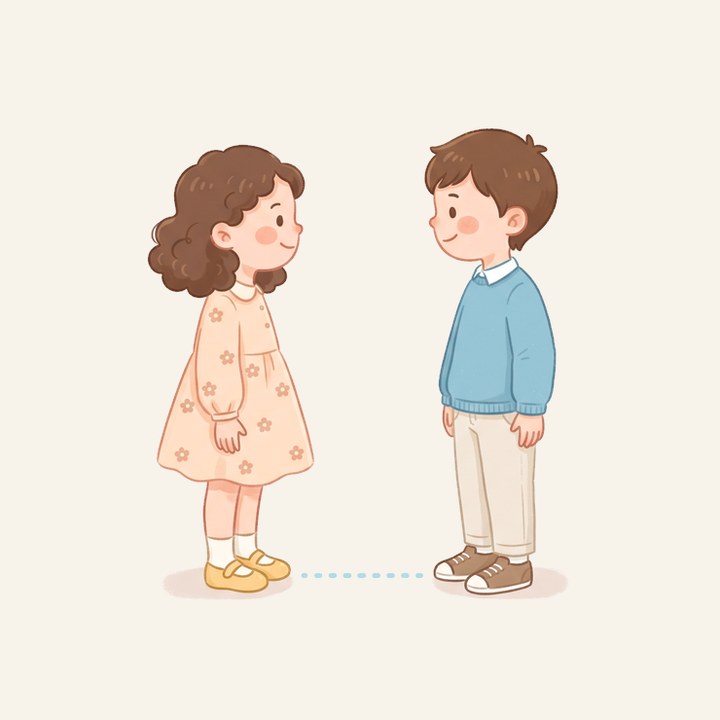
他这个人特别有____,从来不打听别人的私事。
tā zhè ge rén tè bié yǒu ____,cóng lái bù dǎ tīng bié rén de sī shì。
He has a real sense of boundaries — he never pries into anyone's private business.
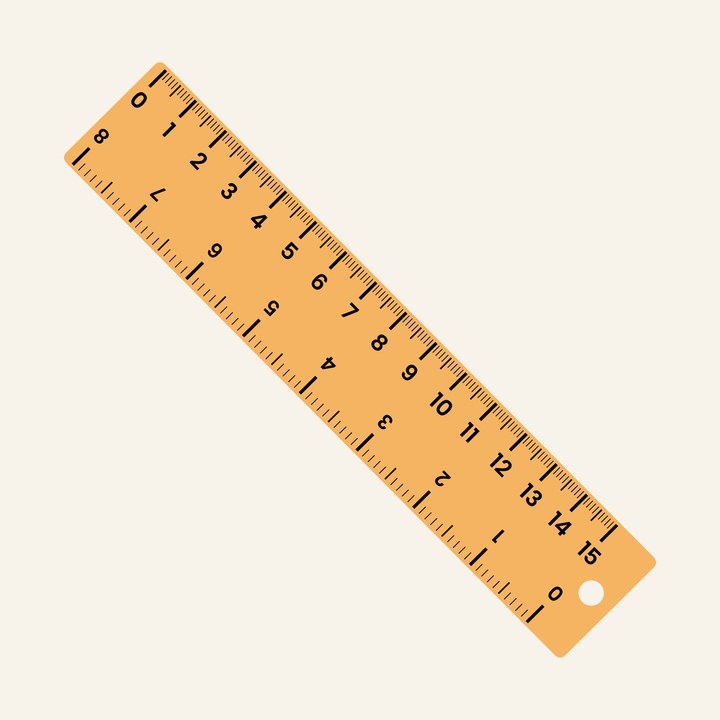
开玩笑要有____,过了就不好笑了,只剩尴尬。
kāi wán xiào yào yǒu ____,guò le jiù bù hǎo xiào le,zhī shèng gān gà。
A joke needs a sense of measure; past a point it stops being funny and is just awkward.
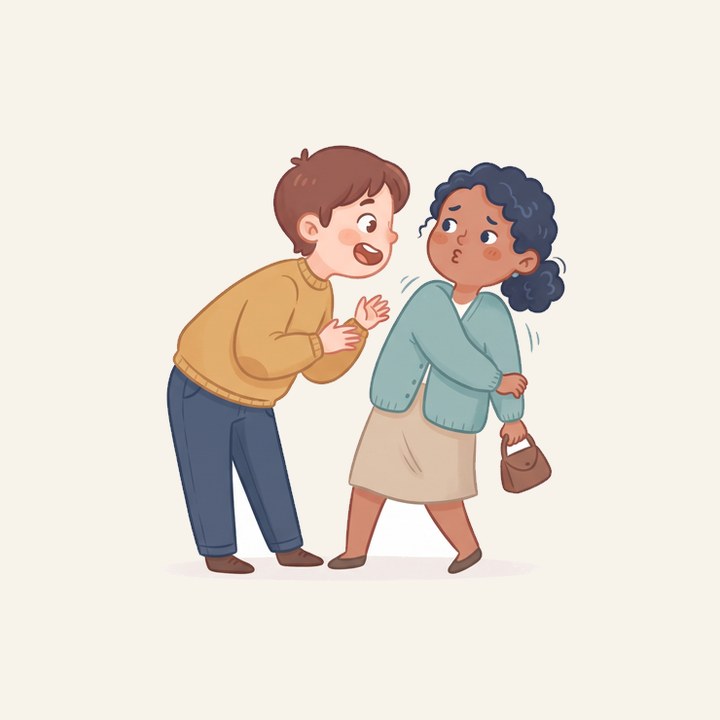
我不是想____你,只是想问清楚这件事。
wǒ bú shì xiǎng ____ nǐ,zhǐ shì xiǎng wèn qīng chu zhè jiàn shì。
I don't mean to overstep — I just want to get this clear.

如果告诉朋友他有口臭,他和我可能都会觉得很____。
rú guǒ gào su péng you tā yǒu kǒu chòu,tā hé wǒ kě néng dōu huì jué de hěn ____。
If I tell a friend he has bad breath, both of us are probably going to feel awkward.
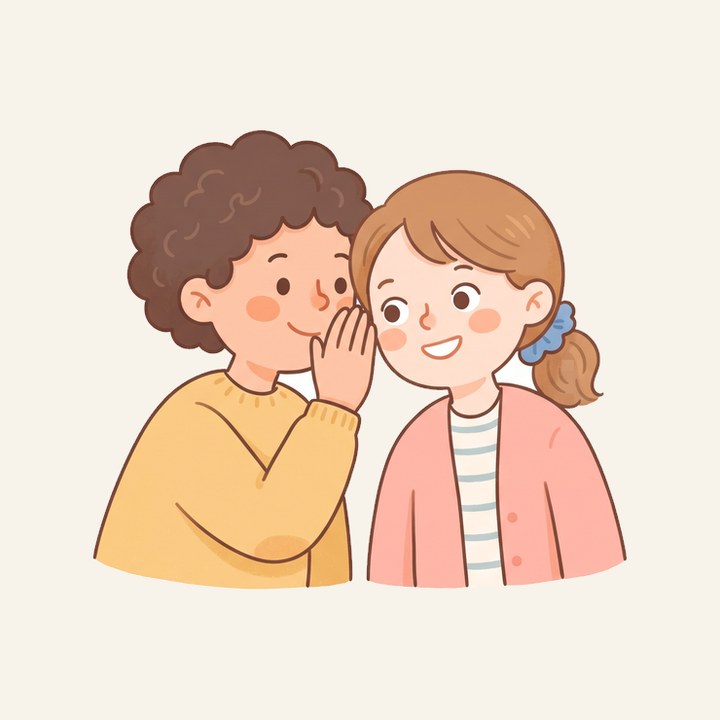
他没直说,只是____地提醒我说:你可以再看看你今天衣服裤子穿好没有。
tā méi zhí shuō,zhǐ shì ____ dì tí xǐng wǒ shuō:nǐ kě yǐ zài kàn kan nǐ jīn tiān yī fu kù zi chuān hǎo méi yǒu。
He didn't say it outright — he hinted tactfully: you might want to check how you're dressed today.

最能看出一个人的界限感的,是他____别人时的态度。
zuì néng kàn chū yí gè rén de jiè xiàn gǎn de,shì tā ____ bié rén shí de tài dù。
Nothing shows a person's sense of boundaries better than how they say no.

我想再加一根吸管,不是____你,是我自己的习惯。
wǒ xiǎng zài jiā yì gēn xī guǎn,bú shì ____ nǐ,shì wǒ zì jǐ de xí guàn。
I'd like a second straw — it isn't that I find you off-putting, it's just my own habit.

他一句话不说就翻我的手机,这是____我的隐私。
tā yí jù huà bù shuō jiù fān wǒ de shǒu jī,zhè shì ____ wǒ de yǐn sī。
He went through my phone without a word — that's an intrusion on my privacy.
Word check 2/2生词复习(二)
No pressure — just making it stick.

我提醒你不是因为嫌弃你,而是不希望你在别人面前____。
wǒ tí xǐng nǐ bú shì yīn wèi xián qì nǐ,ér shì bù xī wàng nǐ zài bié rén miàn qián ____。
I'm telling you not because I'm put off, but because I don't want you embarrassed in front of others.
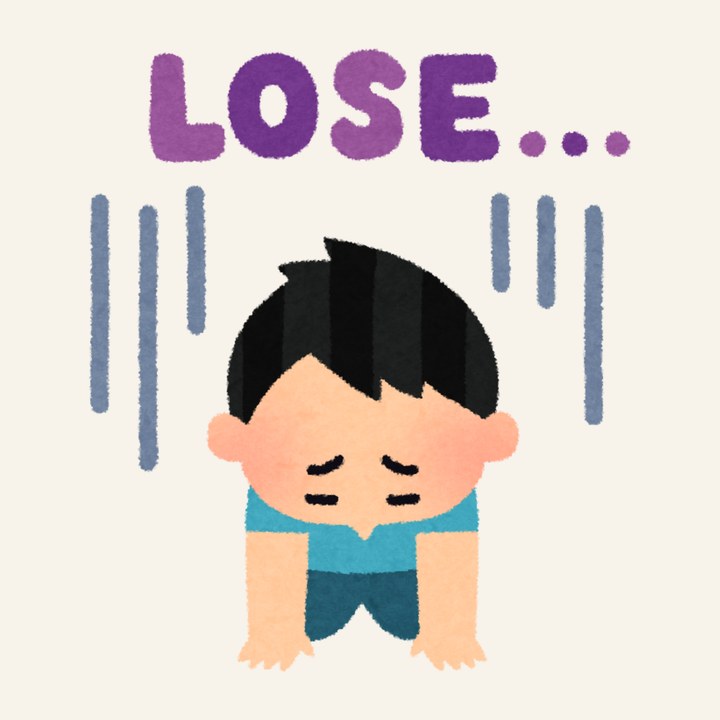
他当着大家的面直接说了出来,虽然他这样说让当时的我很没____,可我到现在还很感谢他。
tā dāng zhe dà jiā de miàn zhí jiē shuō le chū lai,suī rán tā zhè yàng shuō ràng dāng shí de wǒ hěn méi ____,kě wǒ dào xiàn zài hái hěn gǎn xiè tā。
He said it right in front of everyone. It cost me face at the time, but I'm still grateful to him.
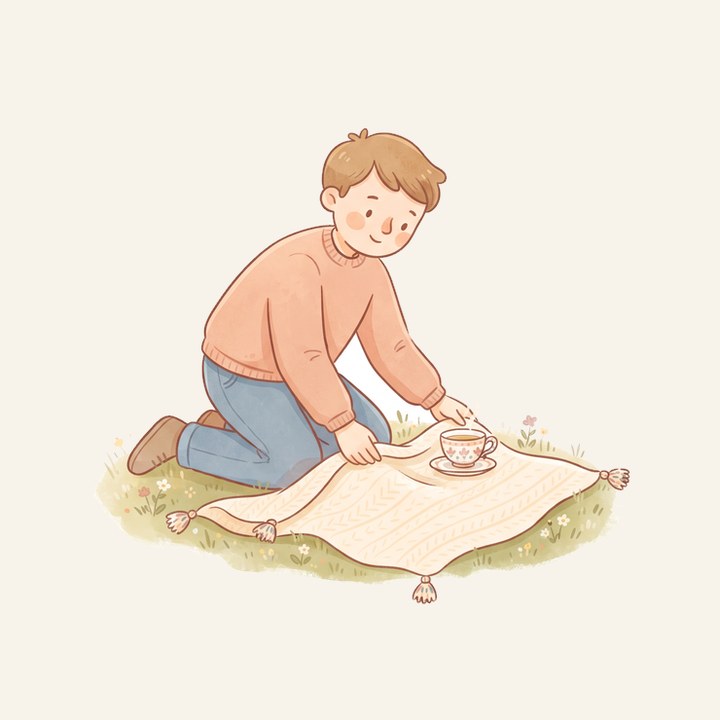
没有前面的____直接就问,听起来就变味了。
méi yǒu qián miàn de ____ zhí jiē jiù wèn,tīng qǐ lai jiù biàn wèi le。
Asking straight out, with no groundwork laid first, comes out sounding wrong.
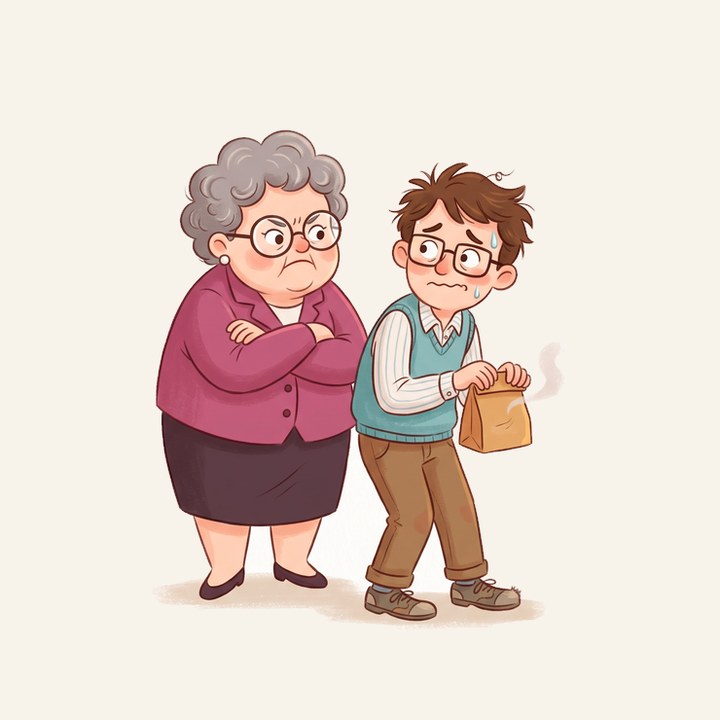
他为了不____人,别人的什么要求他都会答应,最后累坏了自己。
tā wèi le bù ____ rén,bié rén de shén me yāo qiú tā dōu huì dā ying,zuì hòu lèi huài le zì jǐ。
To avoid getting on anyone's bad side he agrees to every request, and wears himself out.
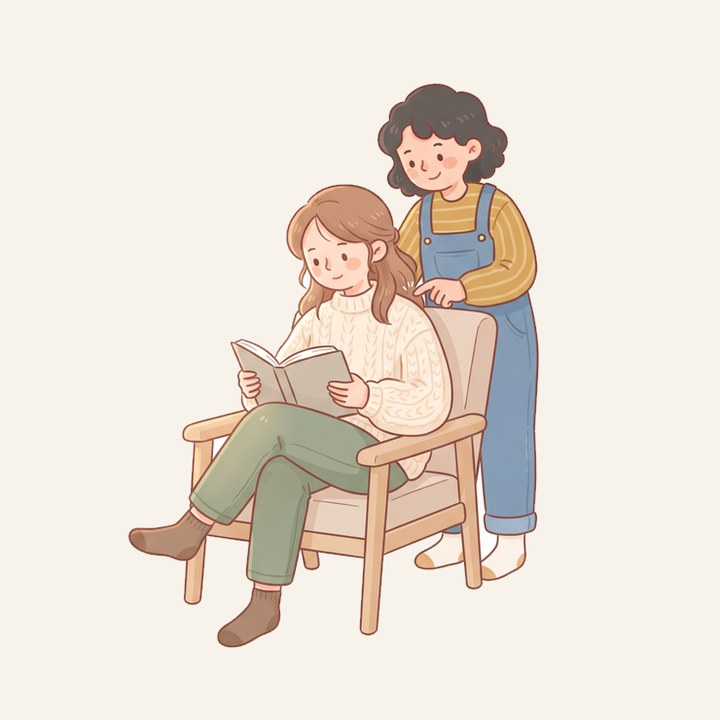
配得感不高的人觉得寻求别人的帮助是在____别人。
pèi de gǎn bù gāo de rén jué de xún qiú bié rén de bāng zhù shì zài ____ bié rén。
People low on self-worth feel that asking for help is bothering someone.

越____的关系,越容易忘了对方也需要空间。
yuè ____ de guān xi,yuè róng yì wàng le duì fāng yě xū yào kōng jiān。
The closer the relationship, the easier it is to forget the other person needs space too.
我顶多是删除,____太决绝了,我做不到。
wǒ dǐng duō shì shān chú,____ tài jué jué le,wǒ zuò bú dào。
At most I'd delete someone. Blocking is too final — I couldn't do it.
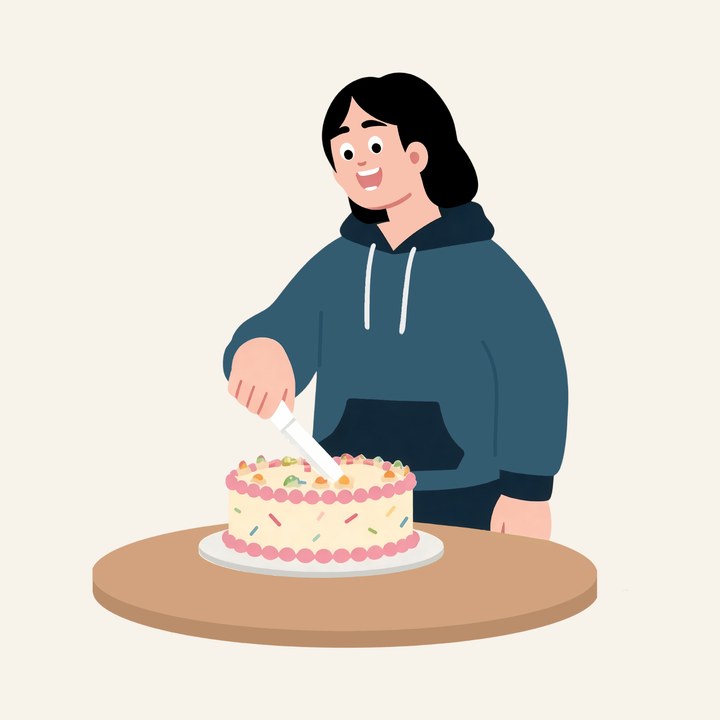
处理不了复杂的关系,我们就容易____。
chǔ lǐ bù liǎo fù zá de guān xi,wǒ men jiù róng yì ____。
When a relationship is too complicated to handle, we reach for the blunt, one-size-fits-all fix.
Picture check看图配词
No pressure — just making it stick.
看图配词:课件里的插画
Tap a picture, then choose its word. Picked wrong? Tap that picture and choose again. Match all the cards to finish.
Pick the word from the bank练习:选词填空
No pressure — just making it stick.
从词库里选词填空(老师课件原题)
Tap a word to fill the next gap; tap a filled sentence to clear it. Every word is used once.
Word bank
0/7Language points语言点
Two patterns, then register and long modifiers.
Memory hook
与其……不如……
Memory hook
在……的前提下
The two patterns, in use语言点练习
No pressure — just making it stick.
____把他拉黑,不如告诉他你的界限在哪里。
____ bǎ tā lā hēi,bù rú gào su tā nǐ de jiè xiàn zài nǎ lǐ。
Rather than blocking him, tell him where your line is.
与其一直猜他会不会生气,____直接问一句他介不介意。
yǔ qí yī zhí cāi tā huì bu huì shēng qì,____ zhí jiē wèn yí jù tā jiè bu jiè yì。
Rather than guessing whether he is angry, just ask him outright.
在不伤害别人____,也要学会保护自己的界限。
zài bù shāng hài bié rén ____,yě yào xué huì bǎo hù zì jǐ de jiè xiàn。
So long as you are not hurting anyone, learn to protect your own line too.
在当事人同意的____,我们才能把这件事告诉别人。
zài dāng shì rén tóng yì de ____,wǒ men cái néng bǎ zhè jiàn shì gào su bié rén。
Only with the person's consent may we tell anyone else.
Rather than blocking him, tell him where your line is.
Tap the tiles in order — it checks itself when the sentence is complete. Tap a placed tile to take it back.
Your sentence
So long as you are not hurting anyone, learn to protect your own line too.
Tap the tiles in order — it checks itself when the sentence is complete. Tap a placed tile to take it back.
Your sentence
Grammar
同一个意思,两种说法
Same meaning, a different set of words. Say it the way you would to a friend, then say it again one notch more formal — the second version is the one that sounds settled. Every upgrade above is built from this lesson's own words.
用法:一样的意思,可以换一种更正式的方式说出来。
我觉得这样不好。→ 我觉得这样做不太合适。
他老问我私事,烦死了。→ 他总打听我的私事,让我觉得被冒犯了。
这事儿得看情况。→ 这要看具体情况,不能一刀切。
你直接说吧,别绕圈子。→ 你不用铺垫太多,直接说就行。
我不想去,又怕他生气。→ 我不太想去,又担心拒绝了会得罪他。
Grammar
把话说得更具体
Chinese puts everything that describes a thing BEFORE 的, and the thing itself last. The more specific you are, the longer the run in front of 的 gets — this is where most long Chinese sentences actually live. The ladder above climbs from one layer to four.
用法:中文把修饰的话放在「的」前面,人或东西放最后。说得越具体,「的」前面就越长。
一层:一个朋友
二层:一个没有界限感的朋友
三层:一个连门都不敲就进来的朋友
四层:一个认识了十年、连门都不敲就进来的朋友
Say it one notch up, and stack it before the noun练习:升一档说 · 把定语堆长
No pressure — just making it stick.
他总____我的私事,让我觉得被冒犯了。
He is always digging into my private business — it felt like an intrusion.
这要看具体情况,不能____。
It depends on the case — you cannot handle them all the same blunt way.
我不太想去,又担心拒绝了会____他。
I would rather not go, but I am worried that refusing would put him off me.
Your turn — say it
我觉得这样做不太合适。
I don't think that's quite appropriate.
Your turn — say it
你不用铺垫太多,直接说就行。
You don't need to lead up to it — just say it.
He is the kind of friend who walks in without knocking.
Tap the tiles in order — it checks itself when the sentence is complete. Tap a placed tile to take it back.
Your sentence
What I can least stand is the kind of relative who asks about everything.
Tap the tiles in order — it checks itself when the sentence is complete. Tap a placed tile to take it back.
Your sentence
我不喜欢那种____的人。
I do not like the kind of person who asks about everything.
Culture extension文化拓展
Four notes — read them, then look at the dialogue again.
Talk it over回答问题
Read the panel above before you draw a question.
Grammar
回答的时候至少用一个下面的说法
Vocabulary alone will not make an answer sound advanced — the frames above will. Use at least one in every answer below, and run the answer through the five moves: take a position, give a reason, give a real example, concede a point, then come back to your position.
光有生词还不够。下面每个问题的答案里,至少用上一个。
表态:这要看情况 · 关键在于…… · 问题在于……
说理:之所以……是因为…… · 与其……不如…… · 说到底……
限定:就我们国家而言…… · 在……的前提下…… · 严格来说……
让步:话虽如此…… · 反过来说…… · 倒不是……而是……
这一课学的两个语言点,就在上面这四行里。
——怎么把一个答案说长——
一个答案说五步,一句话就变成一段话。
1 表态 先说立场:我会说。/我不会说。
2 理由 为什么:之所以……是因为……
3 例子 举一件真的事:上次我……
4 让一步 承认对方也有道理:话虽如此……
5 收回来 再说一次立场:所以我还是觉得……
拿第一个问题(好朋友有口臭)试一次,五步都说到。
Before you go课后回顾
- Role-play in pairs. One of you is the friend asking to stay two weeks; the other does not want to say yes. Refuse with a real reason, without wrecking the friendship.
- In threes: one host, two sides. Debate whether you should ask a friend outright if they have had work done. Use at least three words or patterns from this lesson.
- Task C — the same topic three times: 4 minutes, then 3, then 2. First pass say it whole; second pass work in three of the frames; third pass squeeze it into two minutes. Record all three and listen back to the first and the third.