
“Upper-Intermediate Speaking IV · Stand-up Chinese” has 5 exercises — the first 3 are free
Guest mode saves nothing.
- Students
- Want the whole course? Book a lesson and every exercise in this course opens (more lessons are up to you). Ask the teacher in class about anything unclear.
- The first 3 lessons are free to use, and you can share them with your students. To open the whole course, buy the courseware. Bought it on Xiaohongshu? Send your order screenshot and I will open it for you.
Dating Around the World
各国的约会文化
《非正式会谈》第九季 S9EP4(上)世界各国的 dating 文化 3:49 – 22:44
Sign up free — just an email. Your wrong answers go into your mistake book, and you can carry on on another device.
Sign up / sign inCloned voice — synthesised in a real teacher's timbre, not a recording of her.
Watch the clip first
19 minWords生词
You met these in class. Now without the slides: hear them, tell them apart, recall them, use them, say them.
This lesson's words 1/2
Tap a word to hear it.
Tap any line to hear it
This lesson's words 2/2
Tap a word to hear it.
Tap any line to hear it
Step 1 · Hear it, name it第一步:听一段话,选出说的是哪个词
No pressure — just making it stick.
这段话说的是哪个词?
这段话说的是哪个词?
这段话说的是哪个词?
这段话说的是哪个词?
这段话说的是哪个词?
这段话说的是哪个词?
Step 2 · Tell close words apart第二步:意思很近的词,选最合适的
No pressure — just making it stick.
他喜欢她三年了,一直不敢____,怕连朋友都做不成。
tā xǐ huān tā sān nián le,yì zhí bù gǎn ____,pà lián péng you dōu zuò bù chéng。
He's liked her for three years but never dared to tell her, afraid of losing even the friendship.
他们在一起五年了,上个月终于____了,打算明年办婚礼。
tā men zài yì qǐ wǔ nián le,shàng gè yuè zhōng yú ____ le,dǎ suàn míng nián bàn hūn lǐ。
After five years together they finally got engaged last month; the wedding is next year.
在中国,送钟给老人是个大____,因为「送钟」听起来像「送终」。
zài zhōng guó,sòng zhōng gěi lǎo rén shì gè dà ____,yīn wèi 「 sòng zhōng 」 tīng qǐ lai xiàng 「 sòng zhōng 」。
In China a clock is a big taboo as a gift for the elderly — 送钟 sounds like 送终, attending a deathbed.
刚认识就问别人一个月挣多少钱,有点____。
gāng rèn shi jiù wèn bié rén yí gè yuè zhèng duō shǎo qián,yǒu diǎn ____。
Asking someone you've just met how much they earn is a bit forward.
他说话总能让大家都很舒服,朋友都说他____很高。
tā shuō huà zǒng néng ràng dà jiā dōu hěn shū fu,péng you dōu shuō tā ____ hěn gāo。
He always knows how to make people comfortable — his friends say his EQ is high.
第一次见面谁都不说话,他先讲了个笑话来____,气氛一下子轻松了。
dì yī cì jiàn miàn shéi dōu bù shuō huà,tā xiān jiǎng le gè xiào huà lái ____,qì fēn yí xià zi qīng sōng le。
Nobody spoke at first, so he told a joke to break the ice and the mood relaxed.
他们从高中就在一起,大学一毕业就结婚,好像是____的事。
tā men cóng gāo zhōng jiù zài yì qǐ,dà xué yí bì yè jiù jié hūn,hǎo xiàng shì ____ de shì。
Together since high school and married right after university — it seemed only natural.
两个人____了几秒,都不好意思地笑了。
liǎng gè rén ____ le jǐ miǎo,dōu bù hǎo yì si de xiào le。
They looked into each other's eyes for a few seconds and both laughed shyly.
Step 3 · Recall the word第三步:看图和说明,自己写出这个词(没有选项)
No pressure — just making it stick.

没有男朋友,也没有女朋友——你现在是____。
méi yǒu nán péng you,yě méi yǒu nǚ péng you——nǐ xiàn zài shì ____。
No boyfriend, no girlfriend — you are single.

软件根据你的性格和爱好,给你找最合适的人,这叫____。
ruǎn jiàn gēn jù nǐ de xìng gé hé ài hào,gěi nǐ zhǎo zuì hé shì de rén,zhè jiào ____。
An app finds the person who suits your personality and hobbies best — that's matching.

婚礼上新娘穿的白色长裙子,叫____。
hūn lǐ shàng xīn niáng chuān de bái sè cháng qún zi,jiào ____。
The long white dress the bride wears at the wedding.

北方人说「谈恋爱」,口语里也常说「____」。
běi fāng rén shuō 「 tán liàn ài 」,kǒu yǔ lǐ yě cháng shuō 「 ____ 」。
In the north, people also say this for dating.
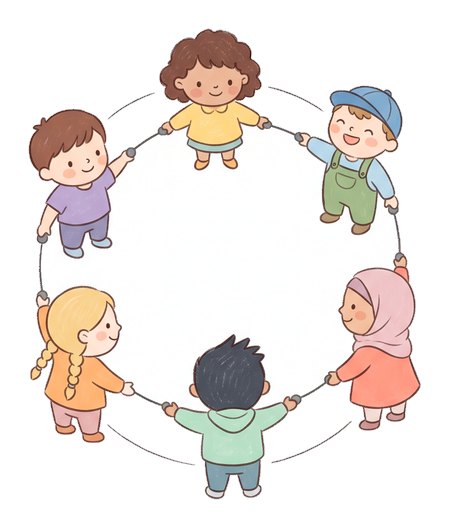
你常来往的朋友和认识的人,合起来是你的____。
nǐ cháng lái wǎng de péng you hé rèn shi de rén,hé qǐ lai shì nǐ de ____。
All the friends and people you know — your social circle.
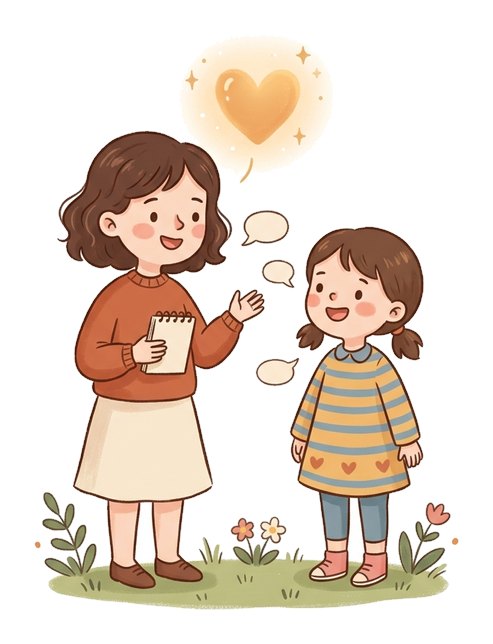
一个人能看懂别人的心情,说话总让人舒服,我们说他____高。
yí gè rén néng kàn dǒng bié rén de xīn qíng,shuō huà zǒng ràng rén shū fu,wǒ men shuō tā ____ gāo。
Someone who reads moods and always says the right thing has a high EQ.
Picture check看图说词:每张图对应哪个词?
No pressure — just making it stick.
看图配词:课件里的插画
Tap a picture, then choose its word. Picked wrong? Tap that picture and choose again. Match all the cards to finish.
Step 4 · Words in a new story第四步:一个新故事,选词填空
No pressure — just making it stick.
小美的第一次相亲:从词库里选词,八个词只用六个。
Tap a word to fill the next gap; tap a filled sentence to clear it. Every word is used once.
Word bank
0/6Step 5 (optional) · Say a sentence with it
Optional — the lesson can be stamped without it. Press Speak and say one sentence; the page listens for the word. Then compare with the model.
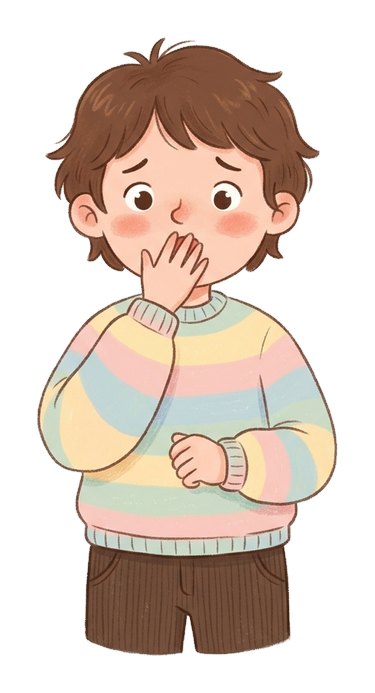
你想问中国朋友一个有点私人的问题。用「冒昧」开个头,问出来。
Ask a Chinese friend something a bit personal — open with 冒昧.

在你们国家,第一次约会有什么忌讳?
What is taboo on a first date in your country?

说一件你觉得「顺理成章」的事。
Tell us about something that followed naturally.
你刚搬到一个新城市,会怎么扩大自己的交际圈?
You've just moved to a new city. How will you widen your social circle?
Patterns句型
First see which use is right, then build your own sentences.
Grammar
倒不是……
倒不是……, 就是/只是…… steps back first — 'it isn't that…' — then gives the real reason. Softer than a flat no.
用法:意思是“其实、实际上(并不是)”。先退一步,先否认对方可能的理解,再说真正的原因,语气比较委婉。
常见搭配:倒不是……,只是/就是……;倒也不是……,不过……;倒(是) + 动词或形容词(倒(是)可以、倒还行、倒也未必)。
1. 我倒不是不想去,就是那天确实约了人,走不开。
2. 我倒不是心疼钱,主要是这玩意儿买回家真没地方放。
3. “这电影怎么样?”“倒也不是难看,就是有点长,坐得我腰疼,所以我看到一半就走了。”
4. 他倒是不怪你,就是心里憋着一股劲儿没处撒。
5. 我倒也想过辞职,但想想房贷,还是算了吧。
Grammar
怪不得
怪不得 + what you had noticed: now that you know the reason, it makes sense.
用法:怪不得 + 结果——知道了原因以后,明白了之前不理解的事。
1. 怪不得他今天穿得这么正式,还一直在看时间,原来是要去相亲。
2. 老板在我身后站了很久,怪不得她刚才一直朝我眨眼睛。
3. 德国人习惯各付各的,怪不得他们每次聚餐买单都要很久。
4. 啊,昨天是美国的感恩节,就像中国的春节一样,大家都忙着跟家人团聚,怪不得街上没有几个人。
5. 我刚知道她休假了,怪不得我给她发了几条工作消息她都没有回。
Step 1 · Which one is right?第一步:哪一句用得对?
No pressure — just making it stick.
Answer from the whole passage, heard or read
哪一句「怪不得」用得对?
Which sentence uses 怪不得 correctly?
Answer from the whole passage, heard or read
哪一句「倒不是」用得对?
Which sentence uses 倒不是 correctly?
Answer from the whole passage, heard or read
哪一句「怪不得」用得对?
Which sentence uses 怪不得 correctly?
Answer from the whole passage, heard or read
哪一句说得最自然?
Which sentence sounds most natural?
Step 2 · Two sentences into one第二步:用「怪不得」把两句变成一句
No pressure — just making it stick.
他昨天去相亲了。他今天上课一直在看手机。→ ____
tā zuó tiān qù xiāng qīn le。tā jīn tiān shàng kè yì zhí zài kàn shǒu jī。→ ____
He went on a blind date yesterday — no wonder he kept checking his phone in class.
她在德国住过五年。她第一次约会就说要各付各的。→ ____
tā zài dé guó zhù guo wǔ nián。tā dì yī cì yuē huì jiù shuō yào gè fù gè de。→ ____
She lived in Germany for five years — no wonder she wanted to split the bill on the first date.
他的交际圈很小。他三十五岁了还是单身。→ ____
tā de jiāo jì quān hěn xiǎo。tā sān shí wǔ suì le hái shì dān shēn。→ ____
His social circle is so small — no wonder he's still single at 35.
Step 3 · Answer your friend第三步:用「倒不是……而是/就是……」接朋友的话
No pressure — just making it stick.
朋友:「你不想结婚,是不是还没遇到合适的人?」(不是没遇到,是想先把工作做好)→ 你:____
péng you:「 nǐ bù xiǎng jié hūn,shì bu shì hái méi yù dào hé shì de rén?」(bú shì méi yù dào,shì xiǎng xiān bǎ gōng zuò zuò hǎo)→ nǐ:____
Friend: You don't want to marry — haven't you met the right person? (It's not that; you want to get your career sorted first.)
朋友:「你不跟他约会了,是嫌他不够帅吗?」(不是长相的问题,是两个人聊不到一起)→ 你:____
péng you:「 nǐ bù gēn tā yuē huì le,shì xián tā bú gòu shuài ma?」(bú shì zhǎng xiàng de wèn tí,shì liǎng gè rén liáo bú dào yì qǐ)→ nǐ:____
Friend: You stopped seeing him — not handsome enough? (It's not his looks; you just can't talk to each other.)
朋友:「第一次约会你坚持各付各的,是不是不喜欢他?」(不是不喜欢,是不想让他破费)→ 你:____
péng you:「 dì yī cì yuē huì nǐ jiān chí gè fù gè de,shì bu shì bù xǐ huān tā?」(bú shì bù xǐ huān,shì bù xiǎng ràng tā pò fèi)→ nǐ:____
Friend: You insisted on splitting the bill — don't you like him? (You do; you just didn't want him to spend money on you.)
Grammar
同一个意思,两种说法
Same meaning, a more precise word — that is what makes it sound settled.
用法:一样的意思,换一个更准确的词说出来,听上去就地道了。
1. 我不太好意思问。 → 恕我冒昧,请问……
2. 他很会说话。 → 他情商很高,一句话就把气氛救回来了。
3. 我们各花各的钱。 → 我们各付各的。
4. 她没直说,绕着弯说的。 → 她没直说,只是暗示了一下。
5. 他们后来自然就在一起了。 → 他们顺理成章地在一起了。
Dialogue and speaking课文和成段表达
Open the dialogue if you need it, answer the questions, then — if you like — give your own answer at length.
The dialogue is folded away — open it when you want to check
Read, then answer读完回答(要想一想,答案不在一句话里)
No pressure — just making it stick.
Answer from the whole passage, heard or read
罗兰说「回家躺床上才反应过来」,他反应过来什么了?
Roland says he only 'got it' lying in bed at home. Got what?
Answer from the whole passage, heard or read
Jane 为什么觉得「怎么认识新朋友」是个好话题?
Why does Jane think 'how do you meet new people' was a good topic?
Answer from the whole passage, heard or read
罗兰觉得感情里最忌讳什么?
What does Roland think is the biggest taboo in a relationship?
Answer from the whole passage, heard or read
Jane 的朋友是怎么结婚的?
How did Jane's friend end up married?