This browser is too old for this site. Please use the latest Chrome or Edge. (The old Edge with a blue “e” icon will not work.)
这个浏览器太旧,网页会乱。请用最新版 Chrome 或 Edge 打开(蓝色 e 图标的旧 Edge 不行)。
Skip to content
EachTone

汉字故事Free to learn from

Character stories

Watch a real thing become a Chinese character — and see how that character was built.

Pictographs

象形字

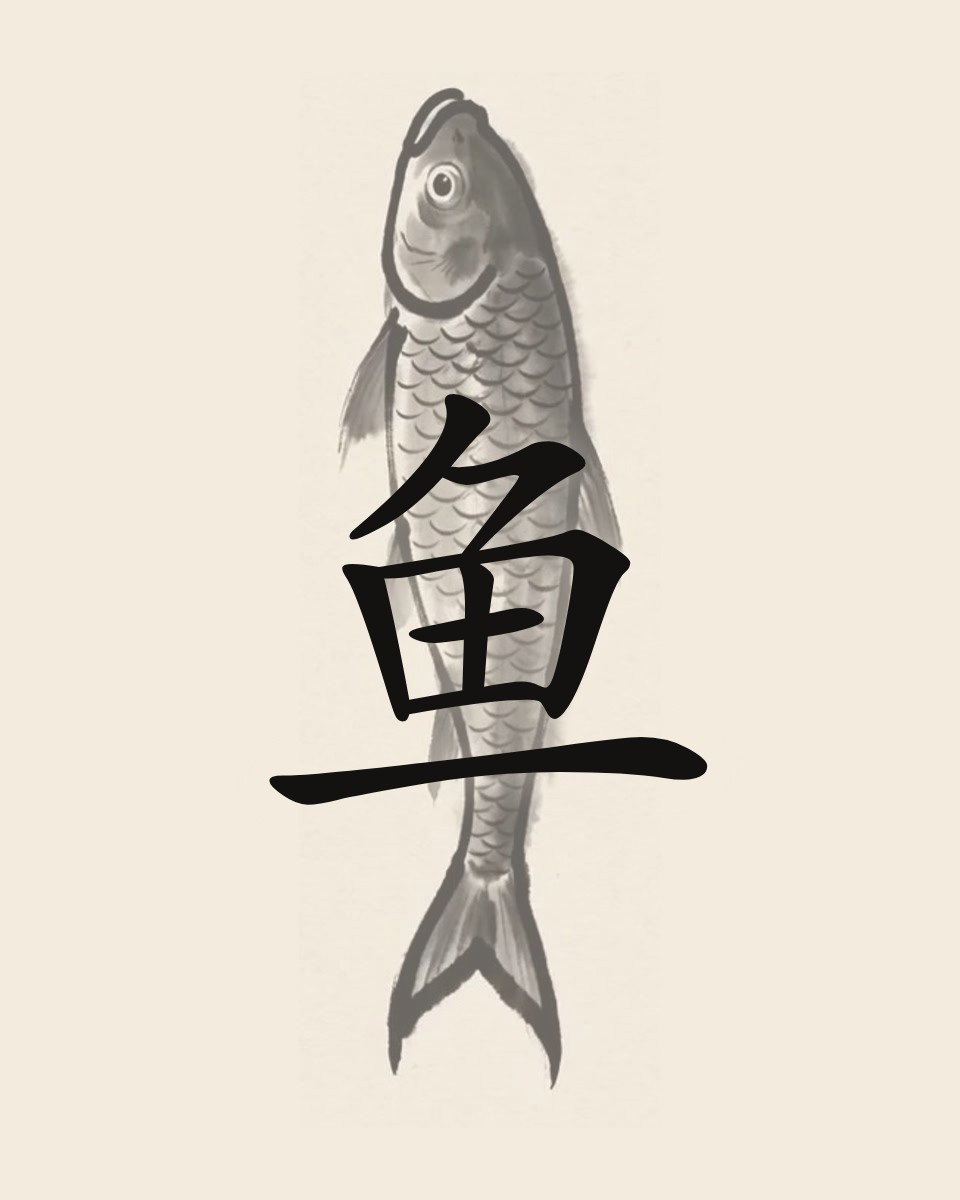
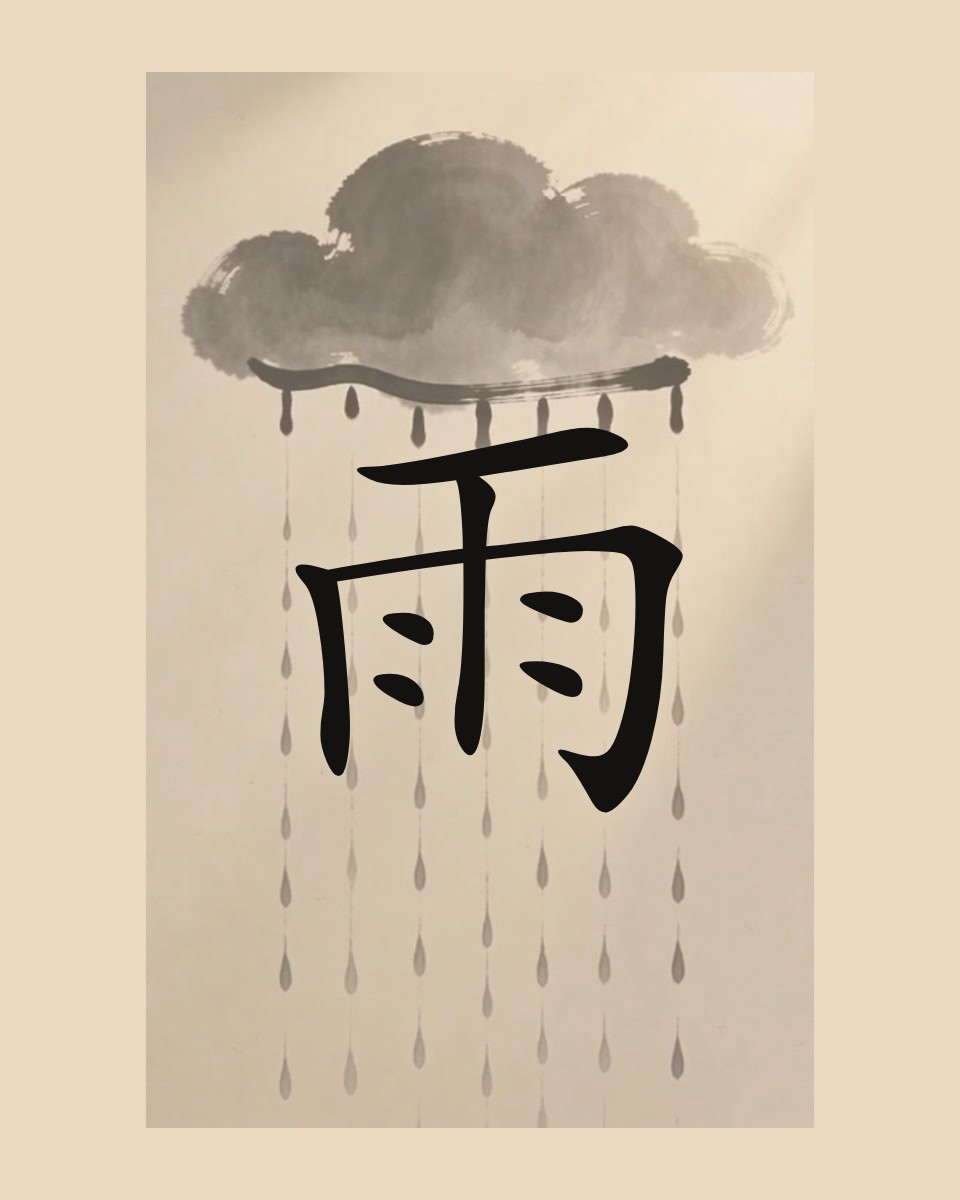
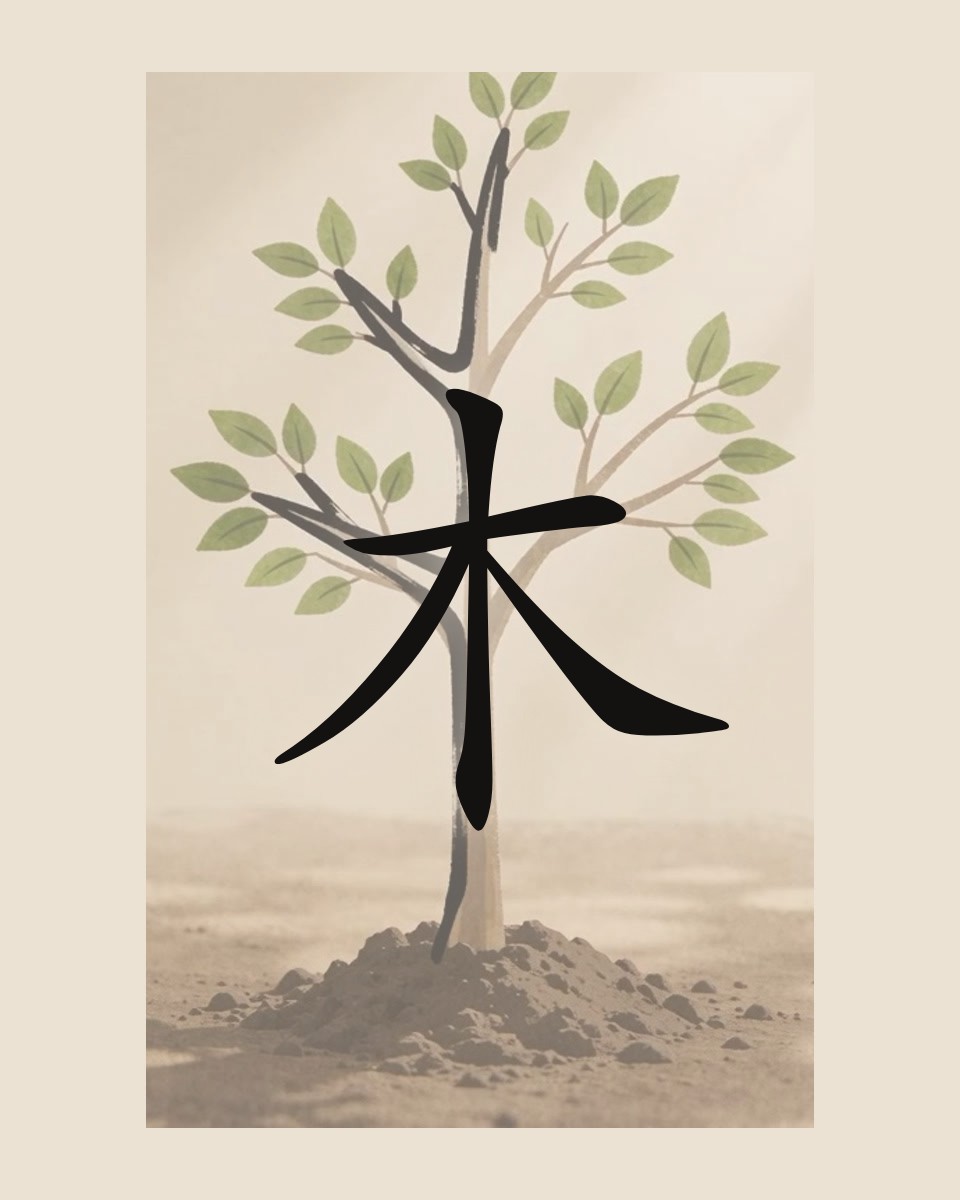
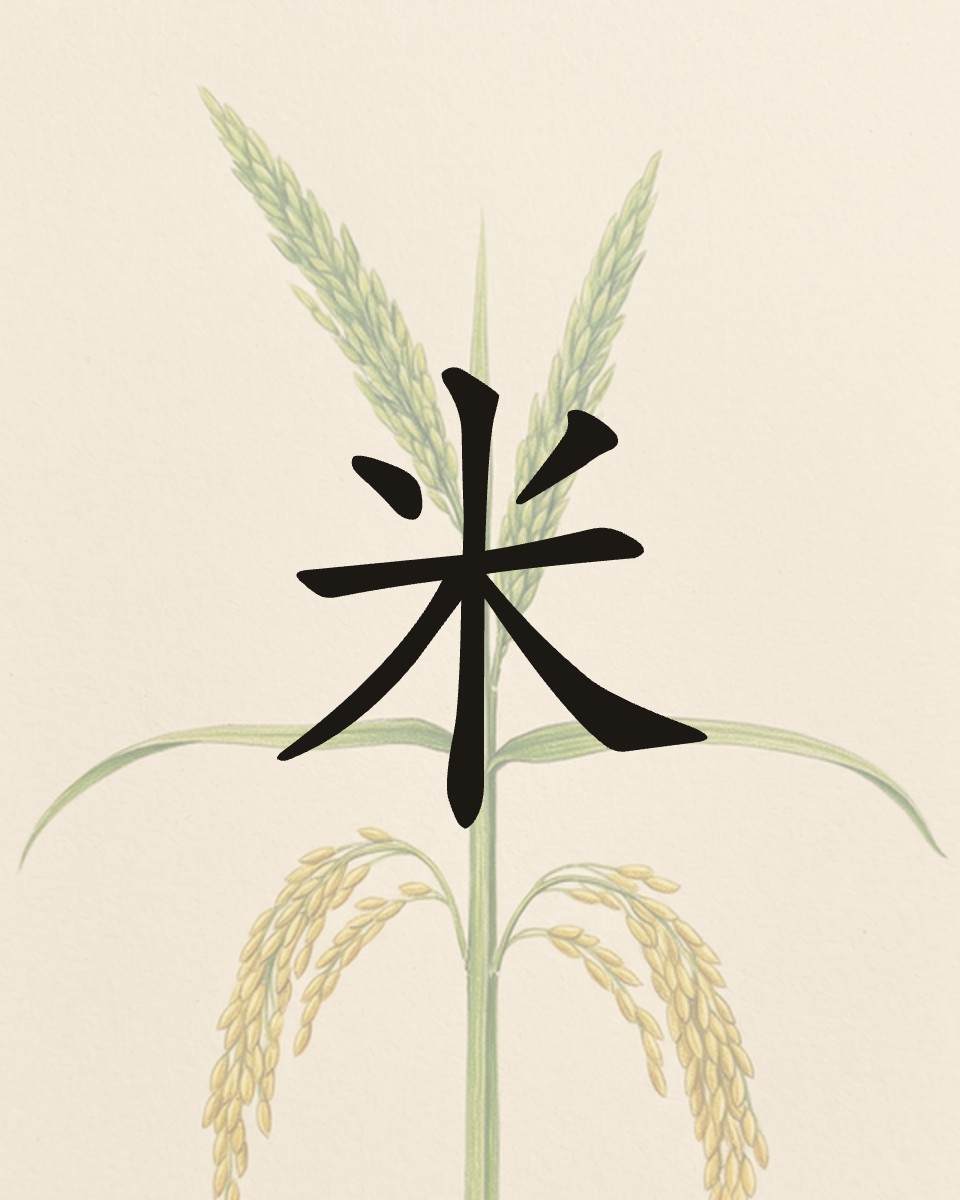
The character is a picture of the thing itself — a tree, a fish, the rain.
Free to watch21 sec

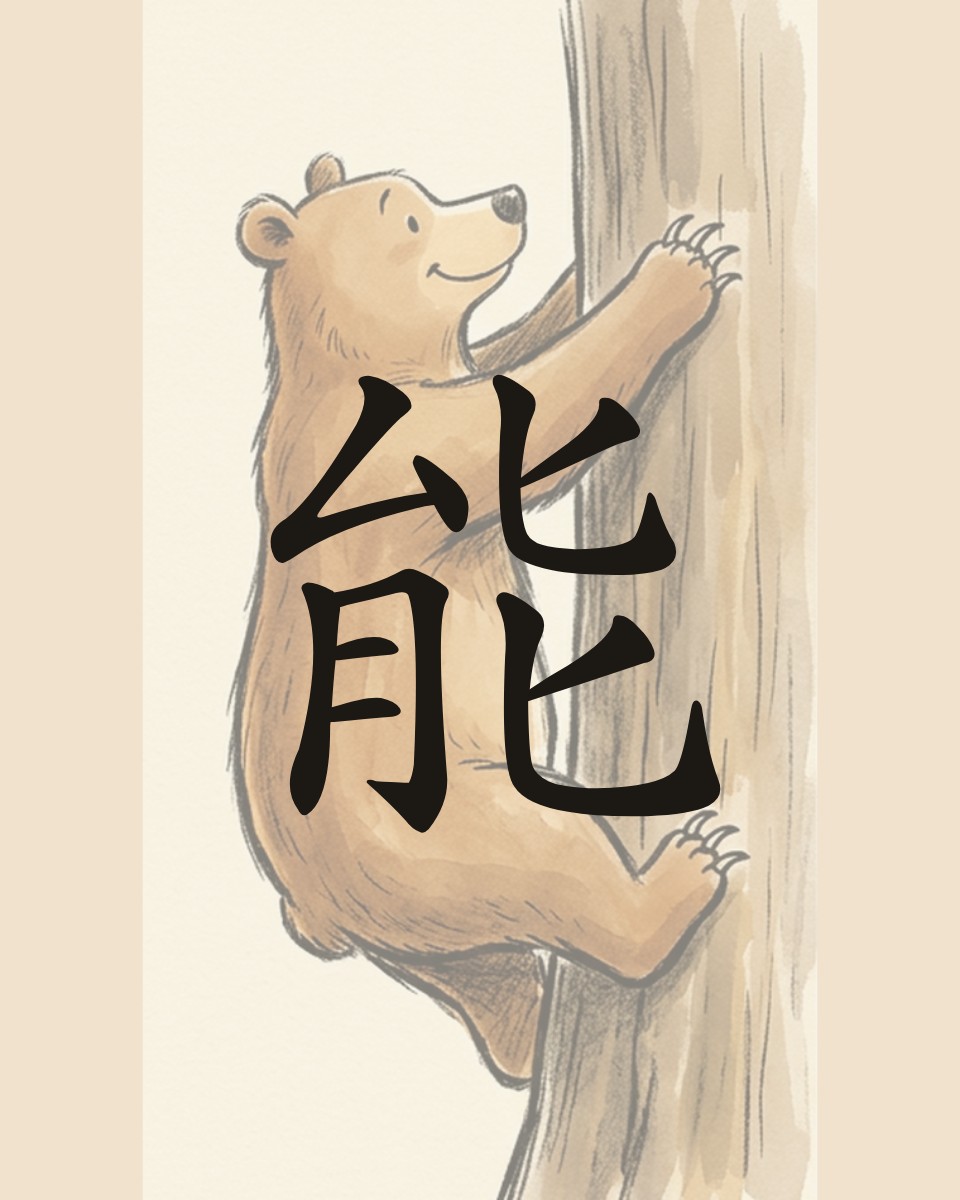
The bear can climb: 能

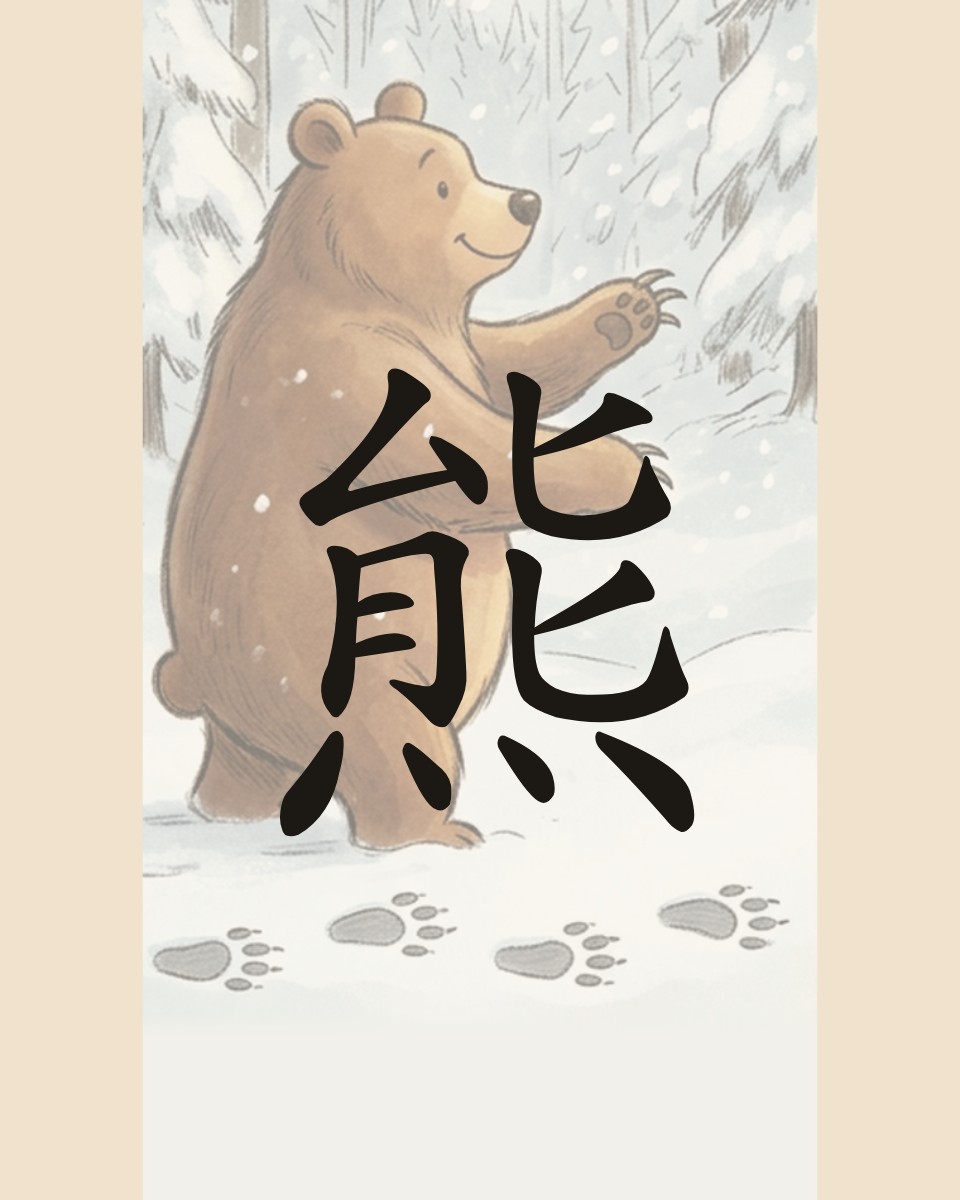
大熊能爬树,就是“能”

A big brown bear climbs a tall tree. Up, up, up! The bear can do it! Its head, its body and its strong paws become 能 (néng, can, be able to). 你能来吗?(nǐ néng lái ma?) Can you come? This time the story is true: the oldest 能 was a picture of a bear. With English narration and subtitles.

Free to watch23 sec

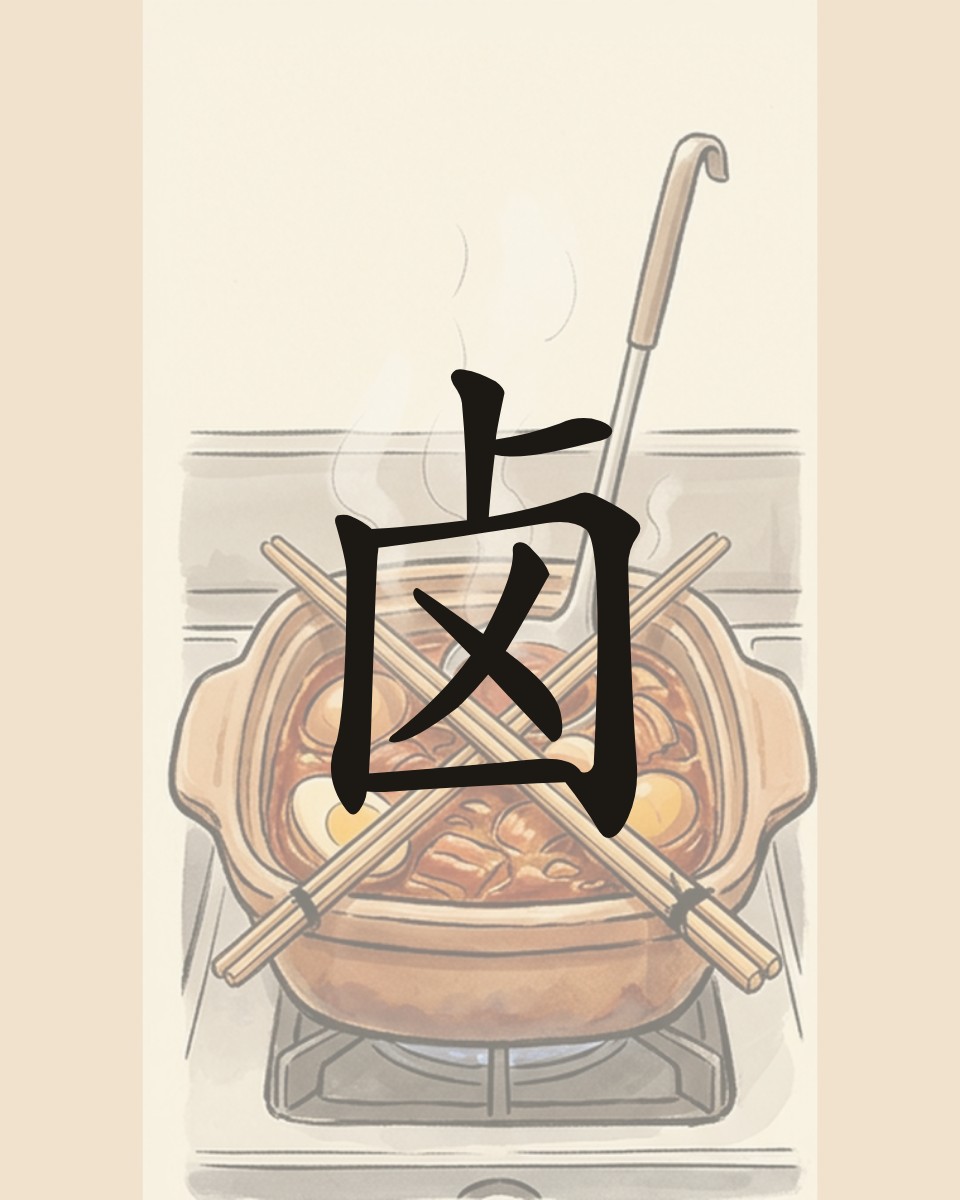
A pot of braised eggs: 卤

插着勺子的卤锅,就是“卤”

A clay pot sits on the stove. Eggs and meat cook slowly in a dark, tasty sauce. The ladle, the pot and the chopsticks become 卤 (lǔ, braised in sauce). 卤蛋 (lǔdàn) is a braised egg. Yum! This is almost true: the oldest 卤 showed salt in a bag. With English narration and subtitles.

Free to watch27 sec

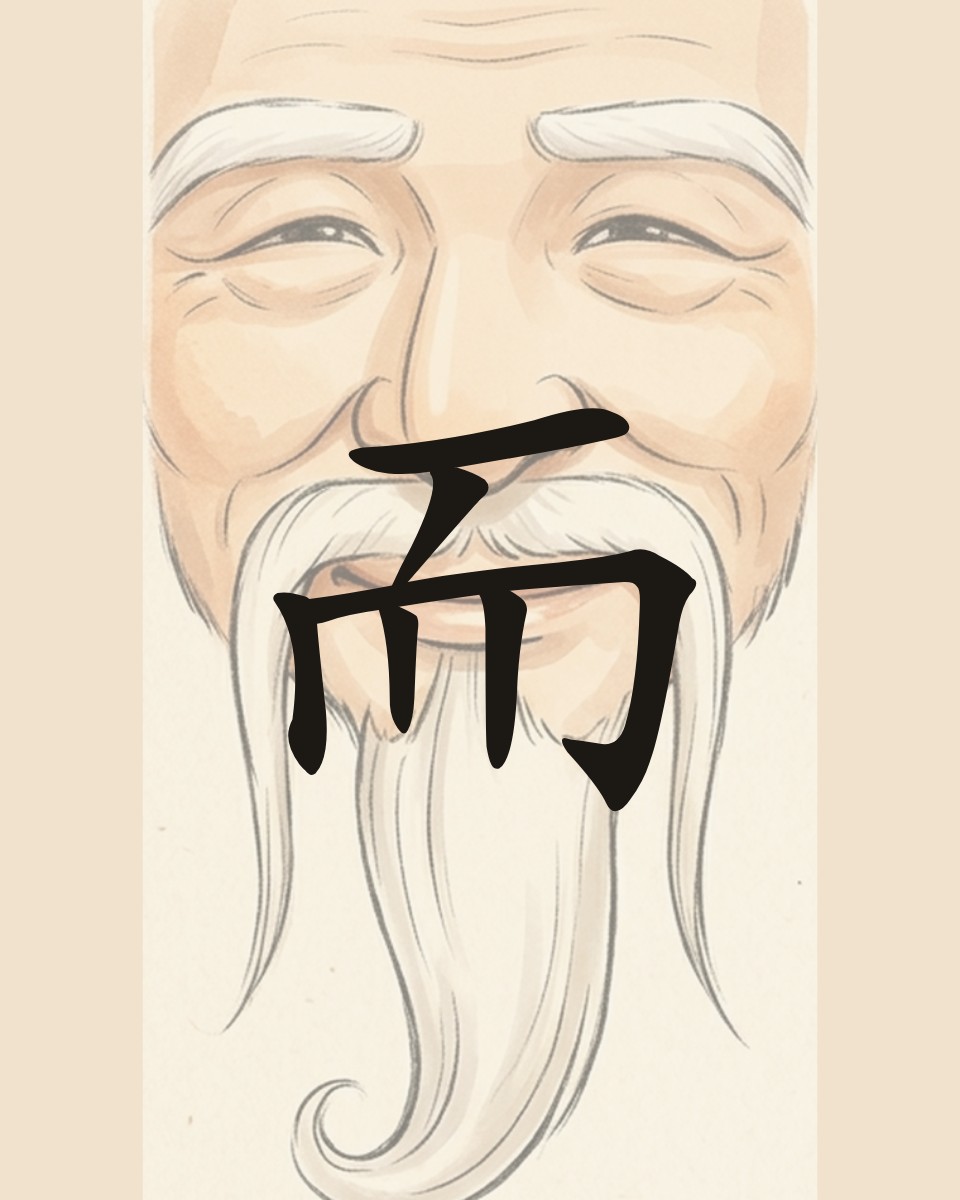
Grandpa's long beard: 而

老爷爷的长胡子,就是“而”

Here is a kind old grandpa with a long, long white beard. His eyebrows, his nose and his beard become 而 (ér, and, but). 而且 (érqiě) means and also: 他很老,而且胡子很长. He is old, and his beard is long. This trick is almost true: the oldest 而 was a picture of a beard. With English narration and subtitles.

Indicatives

指事字

A picture with a mark added, pointing at the part that matters.

Free to watch25 sec

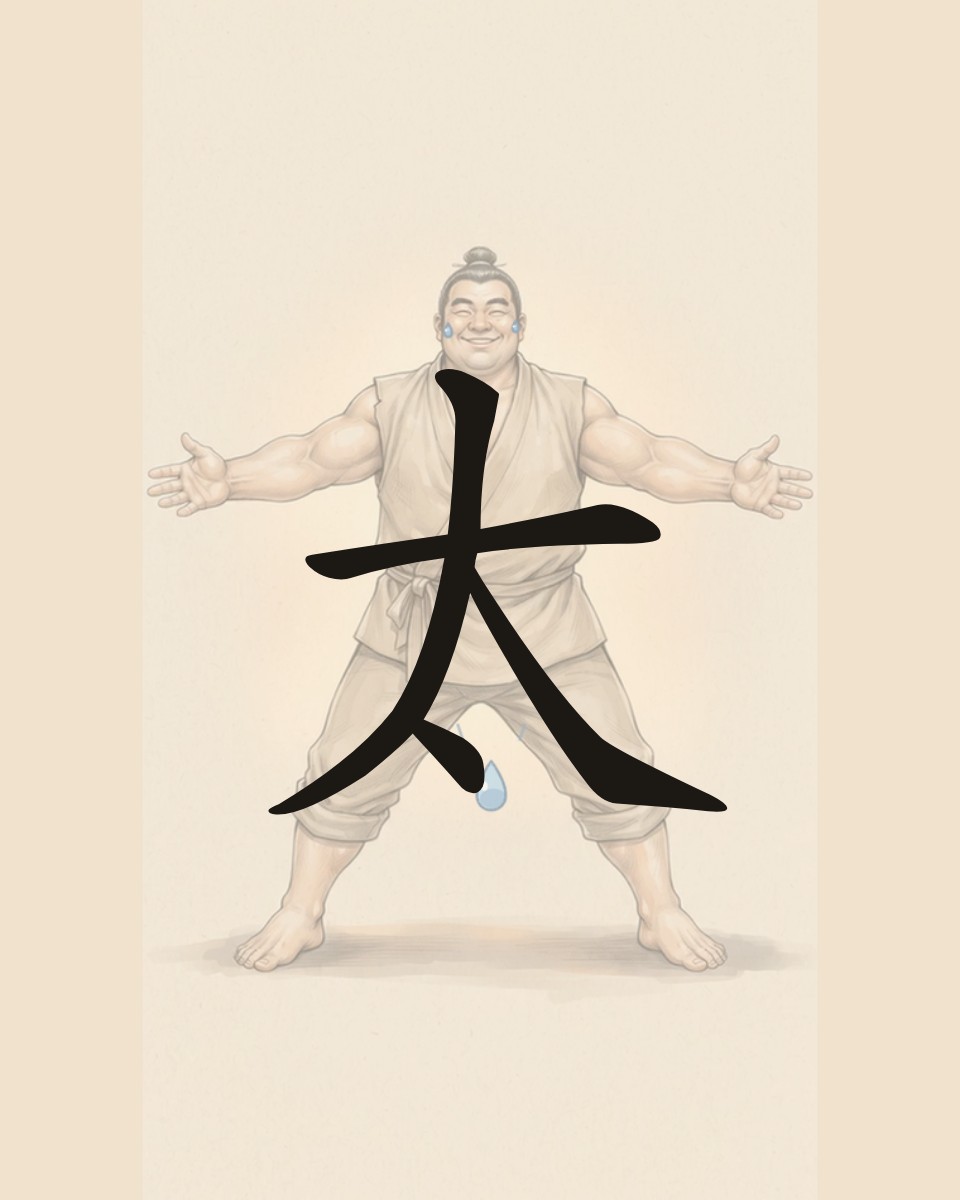
Too hot! 太

热得掉下一滴汗,就是“太”

A big man stands in the hot sun. It's so hot! Drip! A big drop of sweat falls. His arms, his legs and the drop of sweat become 太 (tài, too, very). 太热了!Too hot! 太好了!Great! This trick is almost true: 太 comes from 大 (dà, big), with one more dot. With English narration and subtitles.
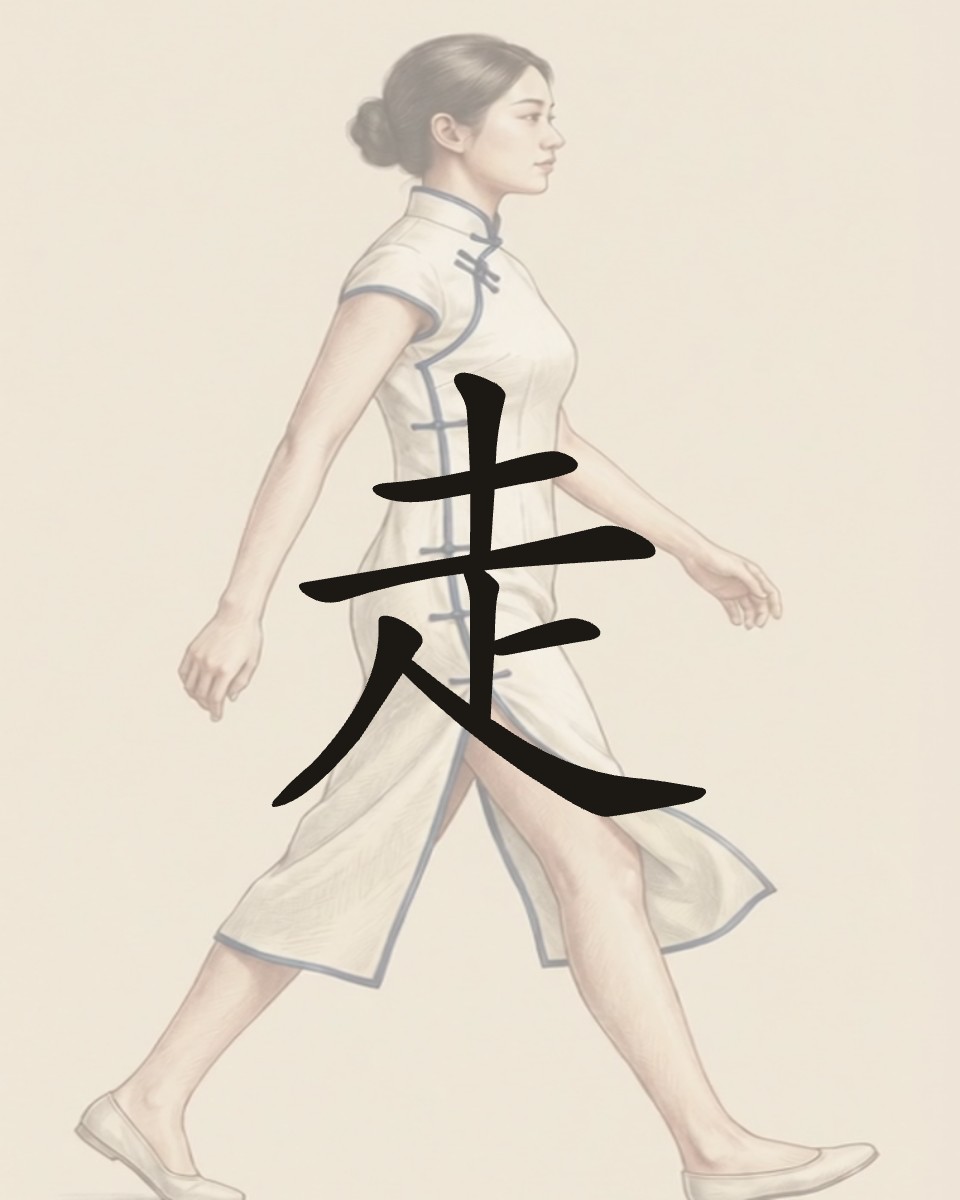
Free to watch24 sec

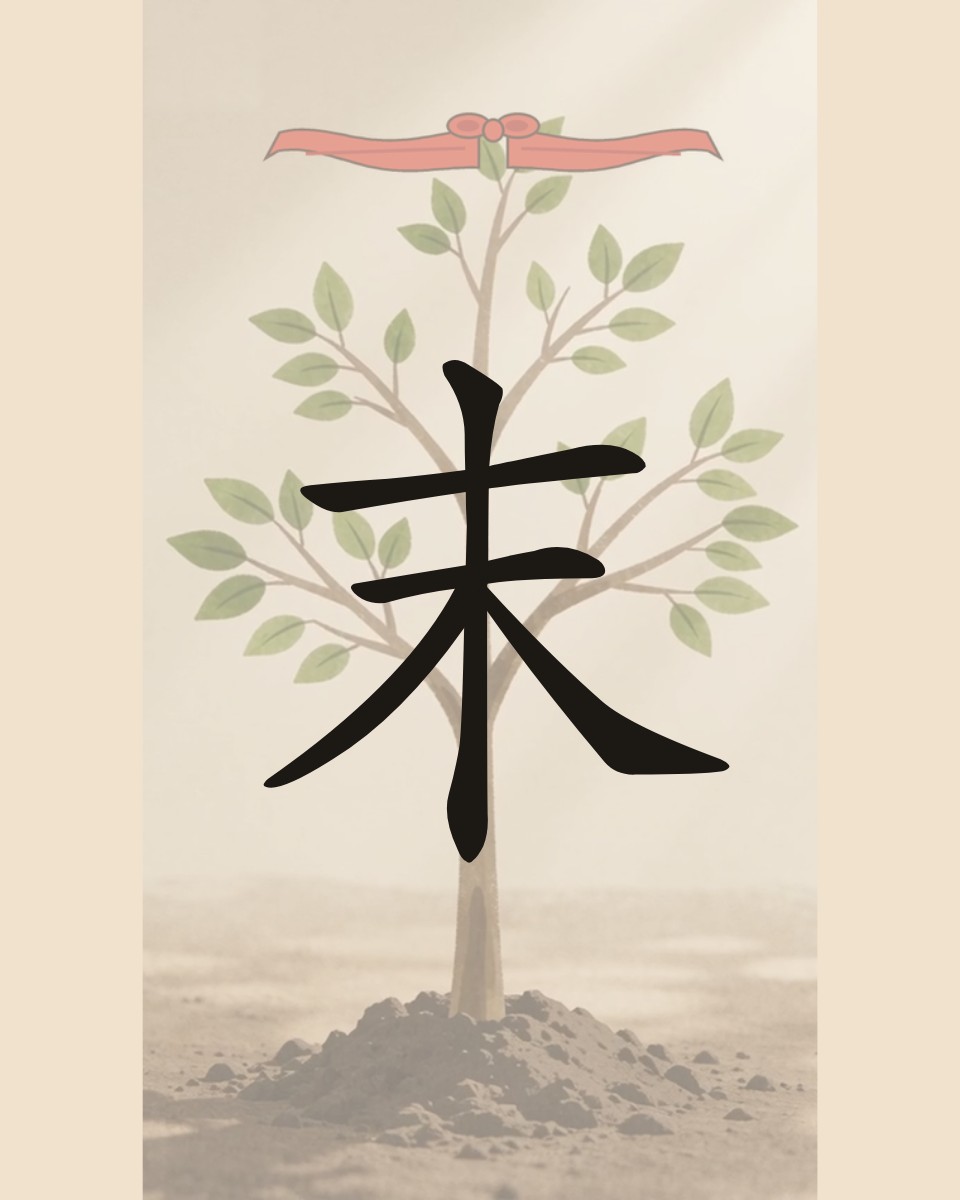
A ribbon on the treetop: 末

树梢上系红丝带,就是“末”

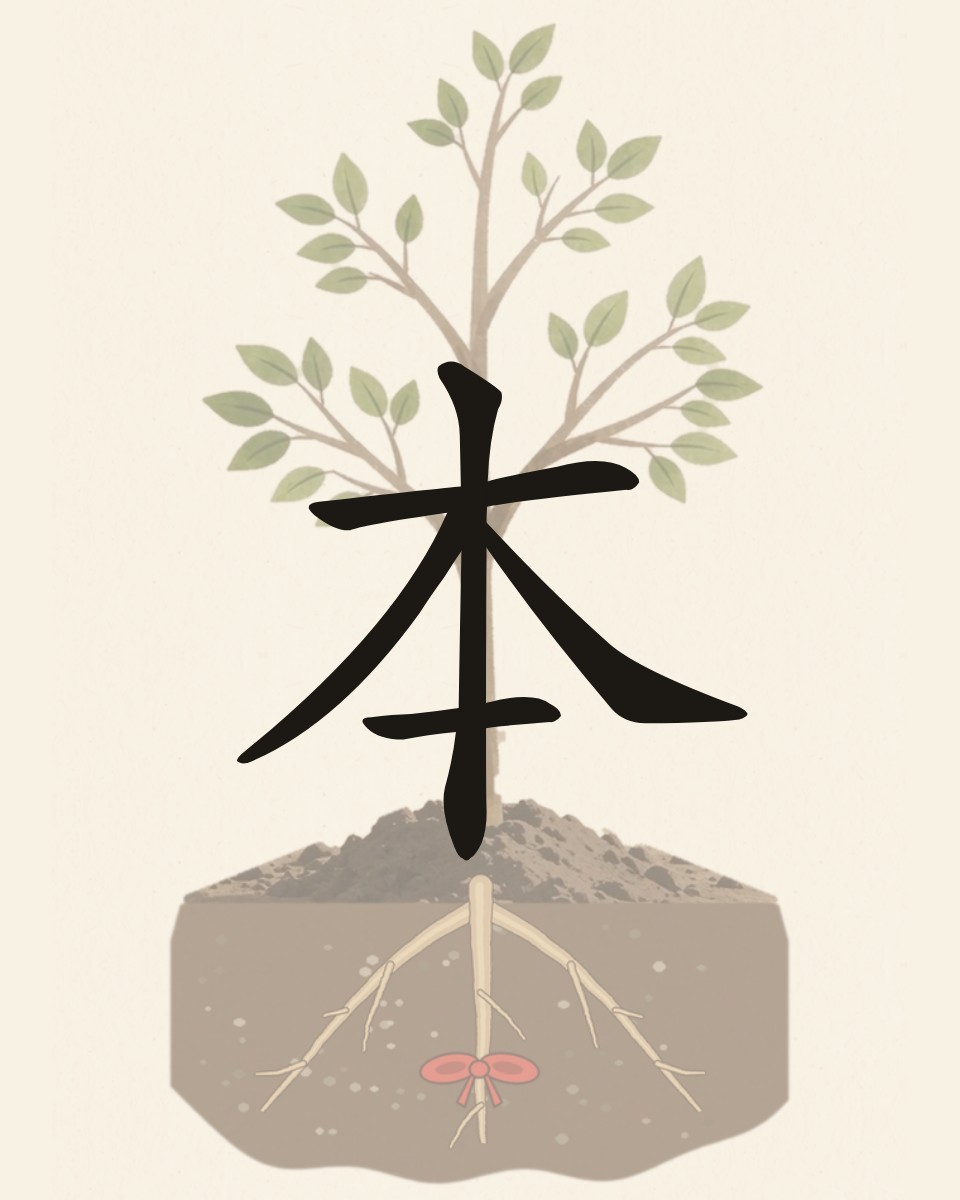
Look at the very top of a tree, and tie a red ribbon on its tip. The ribbon, the branches, the trunk and the ground become 末 (mò, tip, end). 周末 (zhōumò) is the weekend, the end of the week. This trick is almost true: the oldest 末 put a mark on the top of a tree, and 本 put it on the root. With English narration and subtitles.

Free to watch26 sec

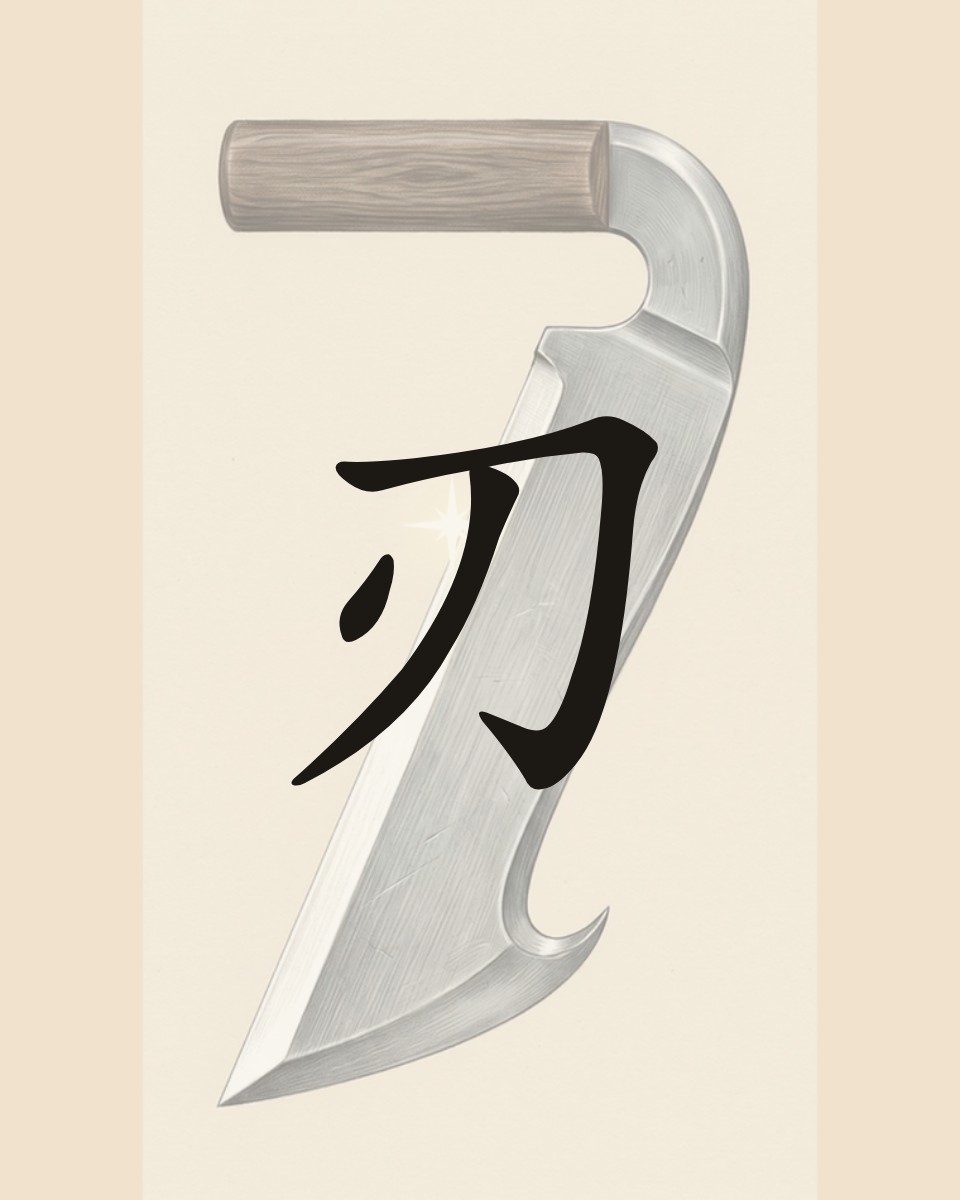
A flash on the blade: 刃

刀口上一闪,就是“刃”

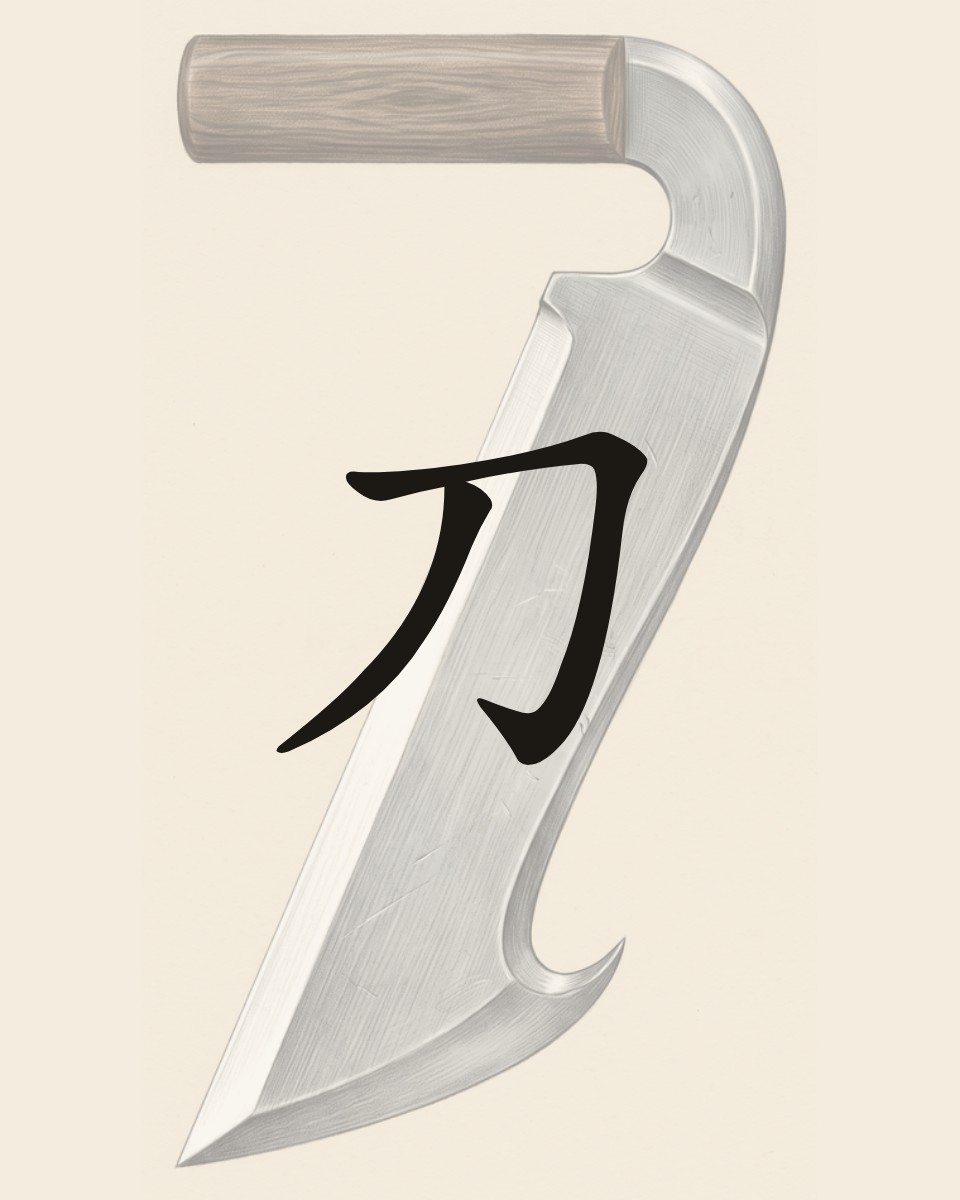
Here is a knife. Look! Its edge flashes: be careful, it's sharp! The handle, the back, the edge and the flash of light become 刃 (rèn, blade, the cutting edge). 刀 is a knife, and 刃 is its sharp edge. This trick is almost true: the oldest 刃 was a knife with a mark on its edge. With English narration and subtitles.

Compound characters

会意字

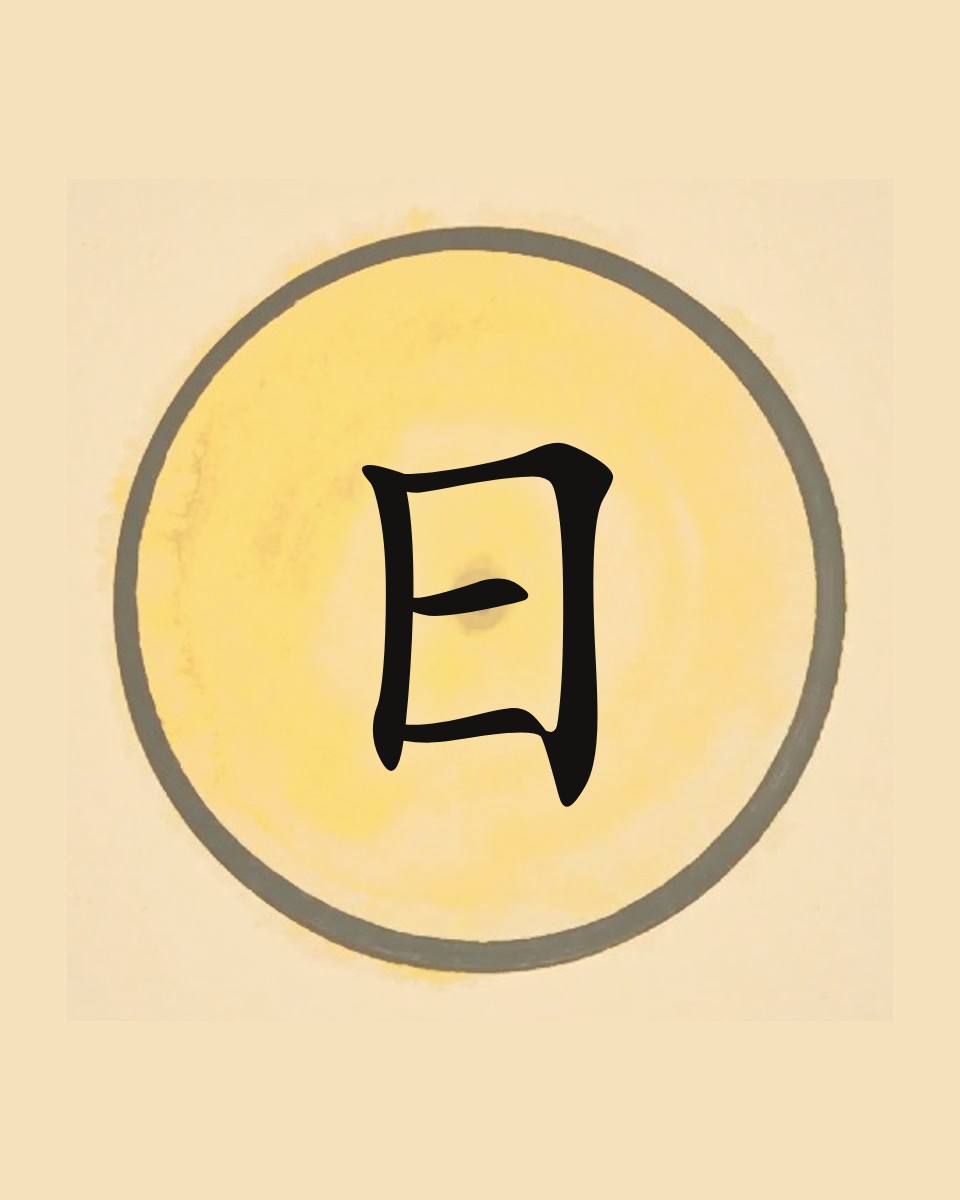
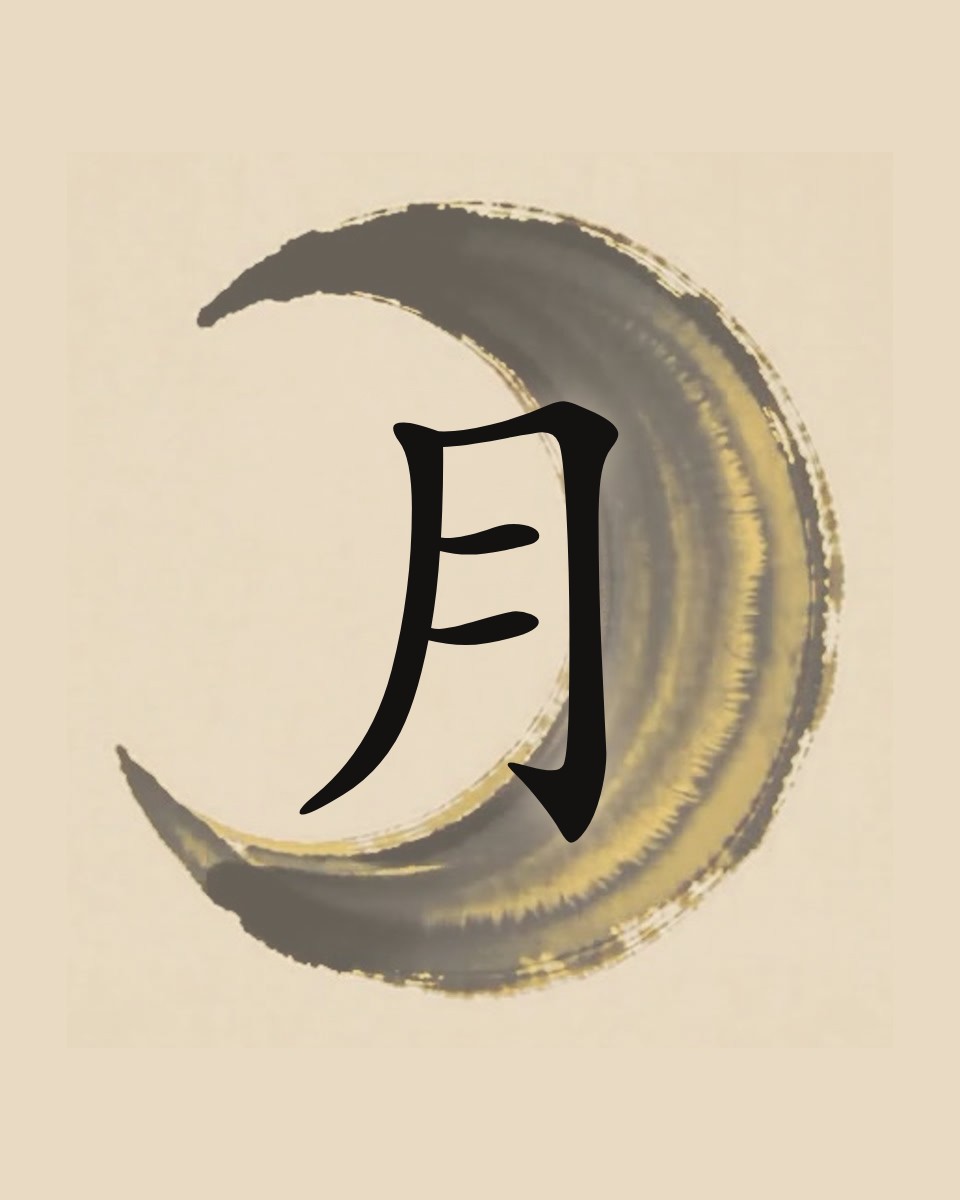
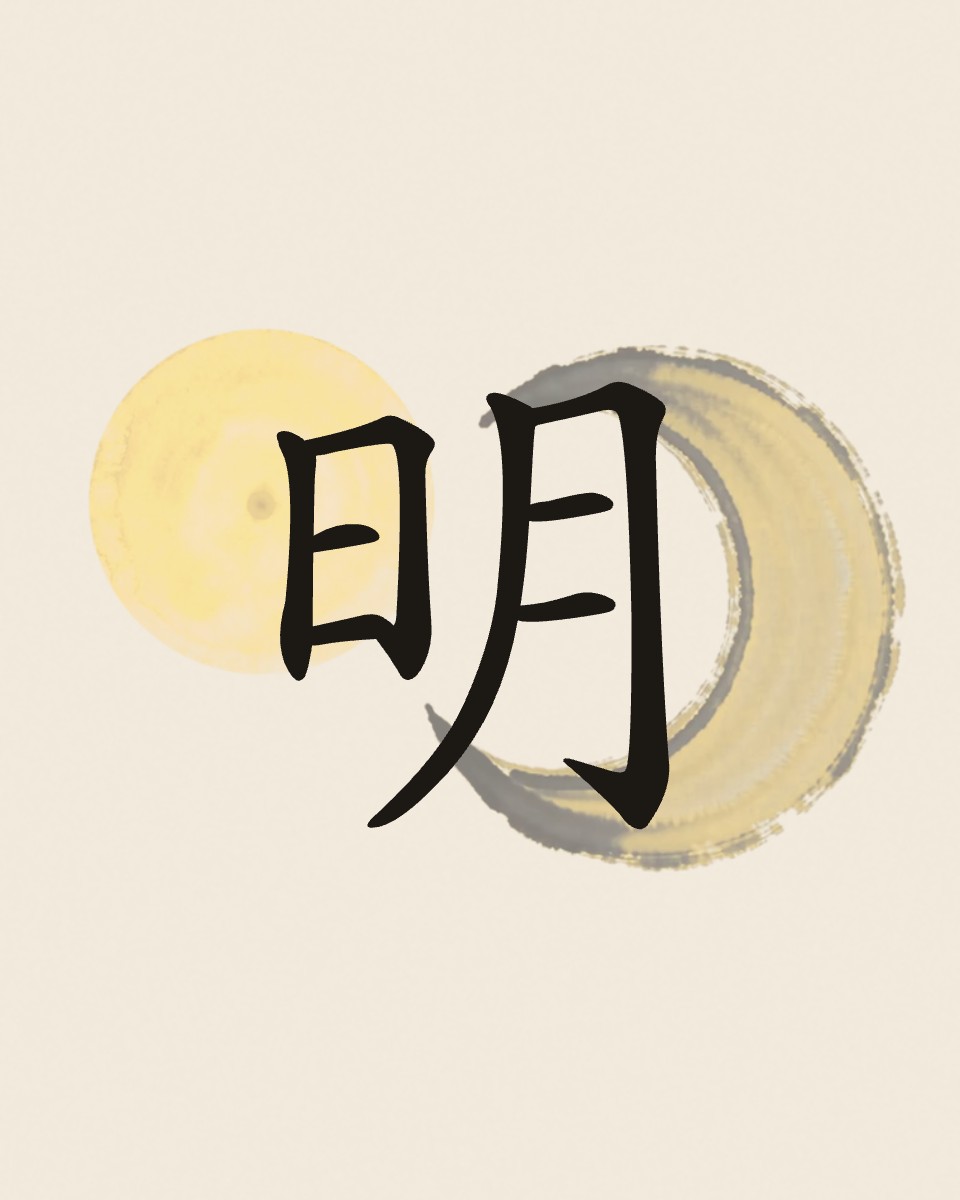
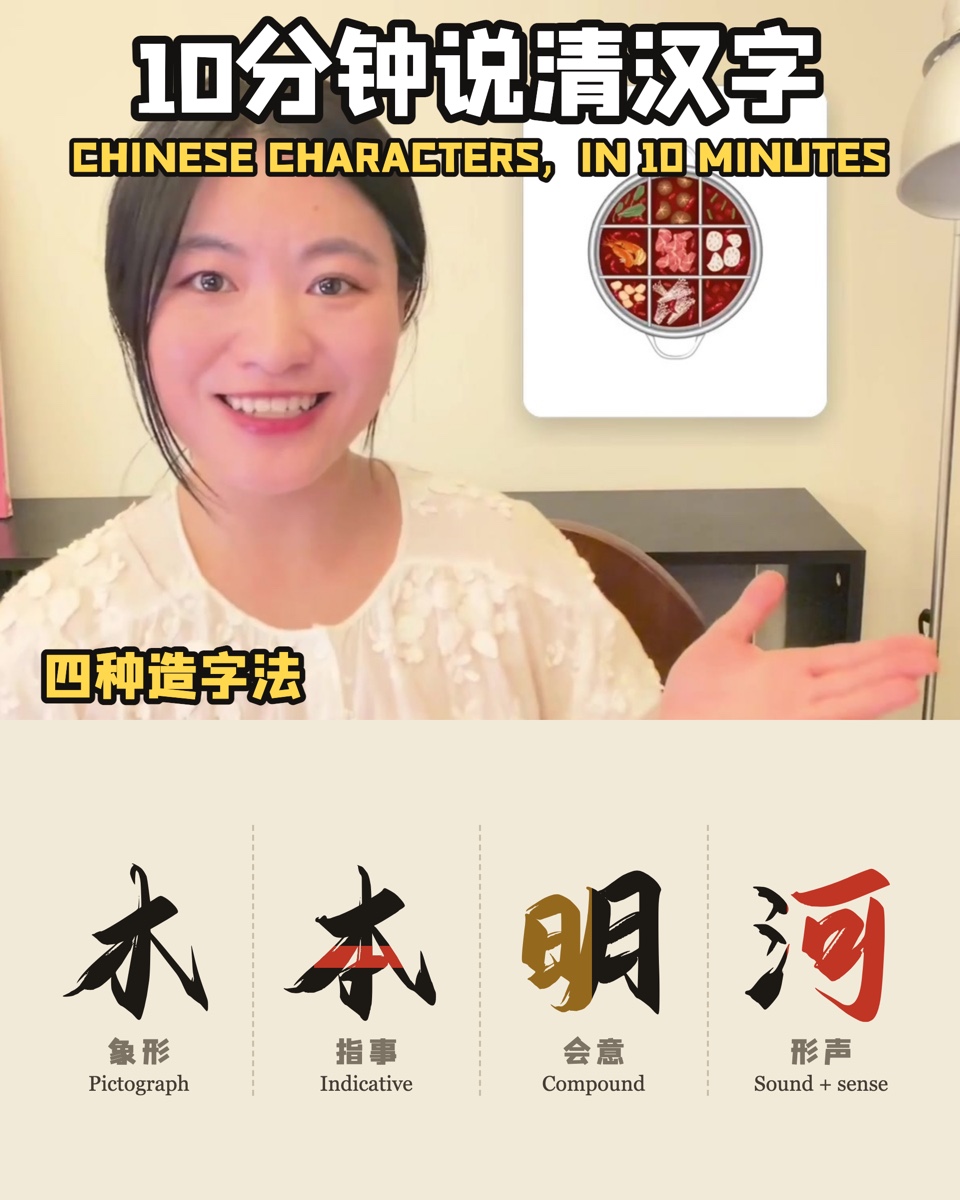
Two pictures put together to mean a third thing — 日 + 月 = 明, bright.
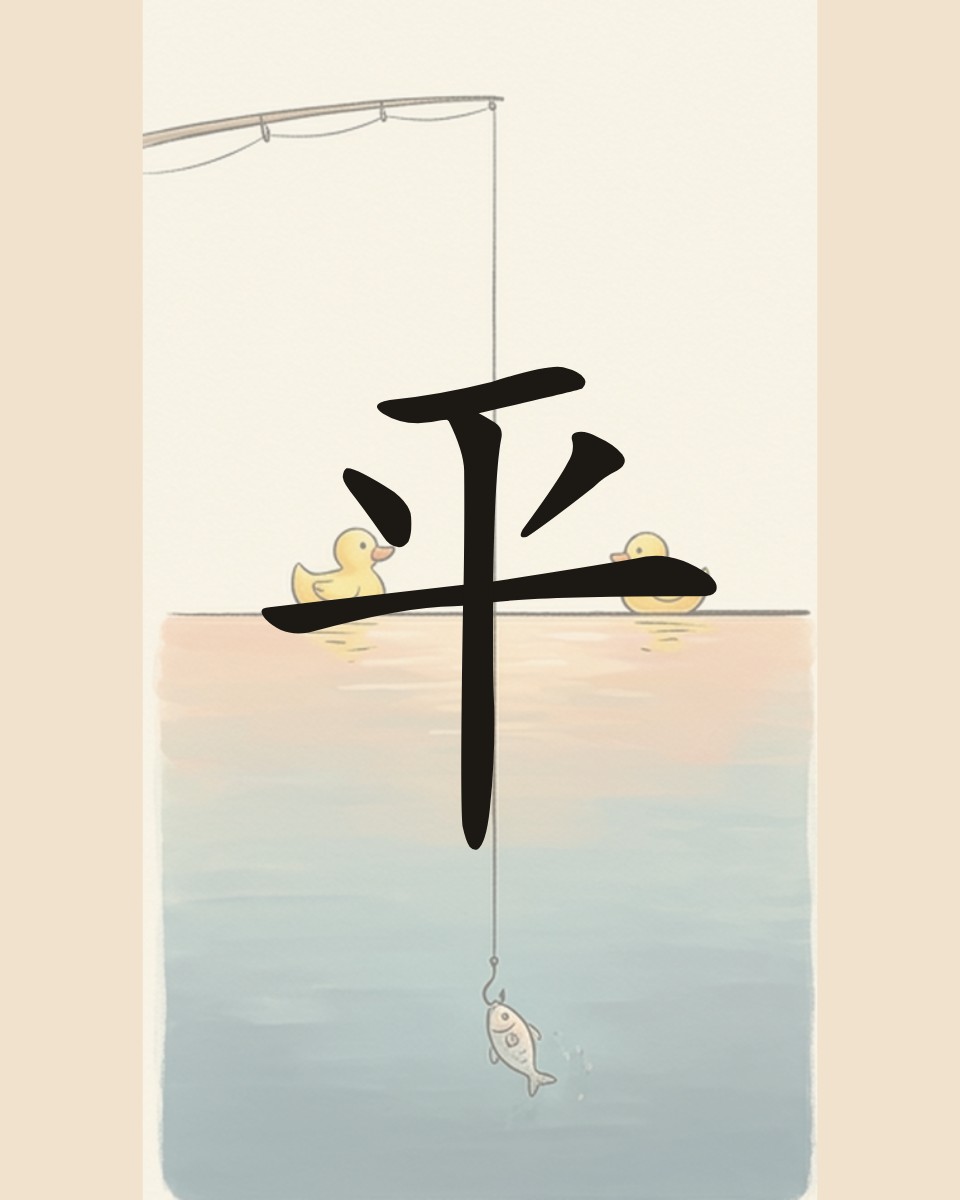
Free to watch23 sec

A calm, flat lake: 平

钓鱼竿下平平的湖面,就是“平”

A calm lake with a fishing rod and two little ducks. The water is so flat, not one ripple! The rod, the ducks, the water and the fishing line become 平 (píng, flat, calm). 平安 (píng'ān) means safe and well. This is just a memory trick. With English narration and subtitles.

Free to watch20 sec

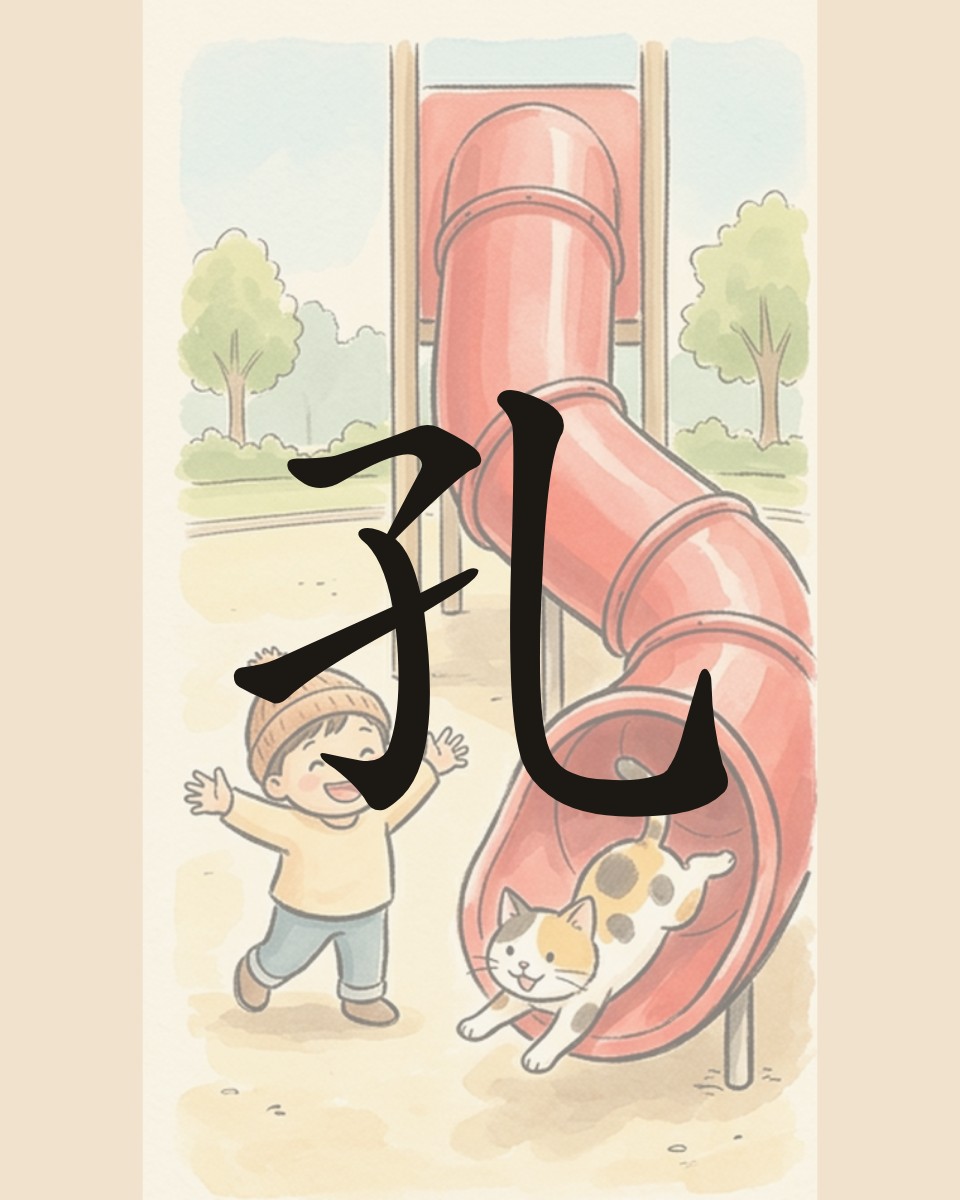
Out of the hole: 孔

滑梯洞口钻出小猫,就是“孔”

A playground with a big red slide. Whoosh! A little cat comes out of the hole! The boy, and the long slide with a hole at the end, become 孔 (kǒng, hole). 孔子 (Kǒngzǐ) is Confucius. This is just a memory trick. With English narration and subtitles.

Free to watch25 sec

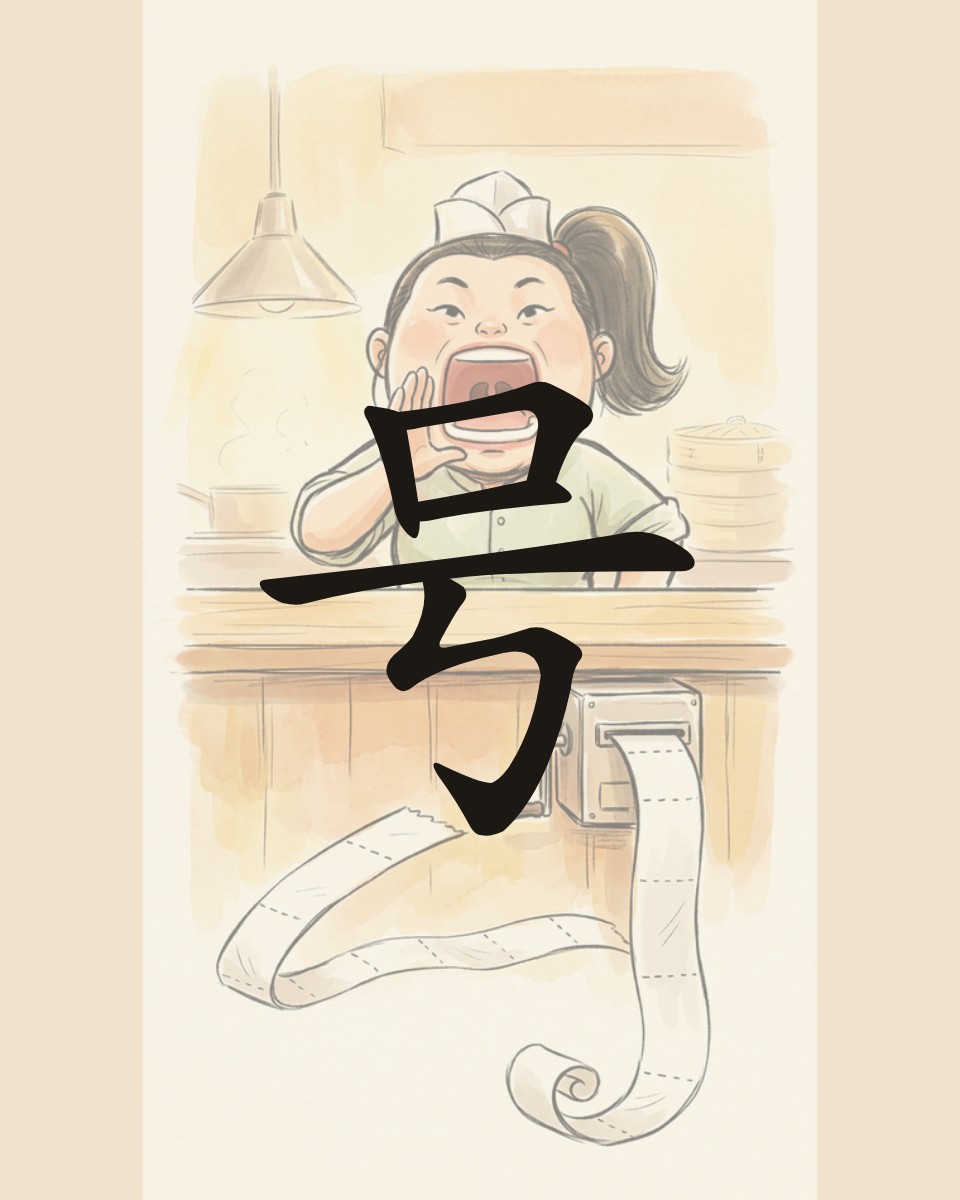
Calling the next number: 号

服务员张大嘴叫号,就是“号”

A busy little restaurant. The waiter opens her mouth wide and calls the next number! Her mouth, the counter and the long number ticket become 号 (hào, number). 今天几号?(jīntiān jǐ hào?) What's the date today? This trick is almost true: at first, 号 meant to shout. The old form 號 had a shouting mouth and a roaring tiger. With English narration and subtitles.

Sound and sense

形声字

One half says what it is, the other half says how it sounds.
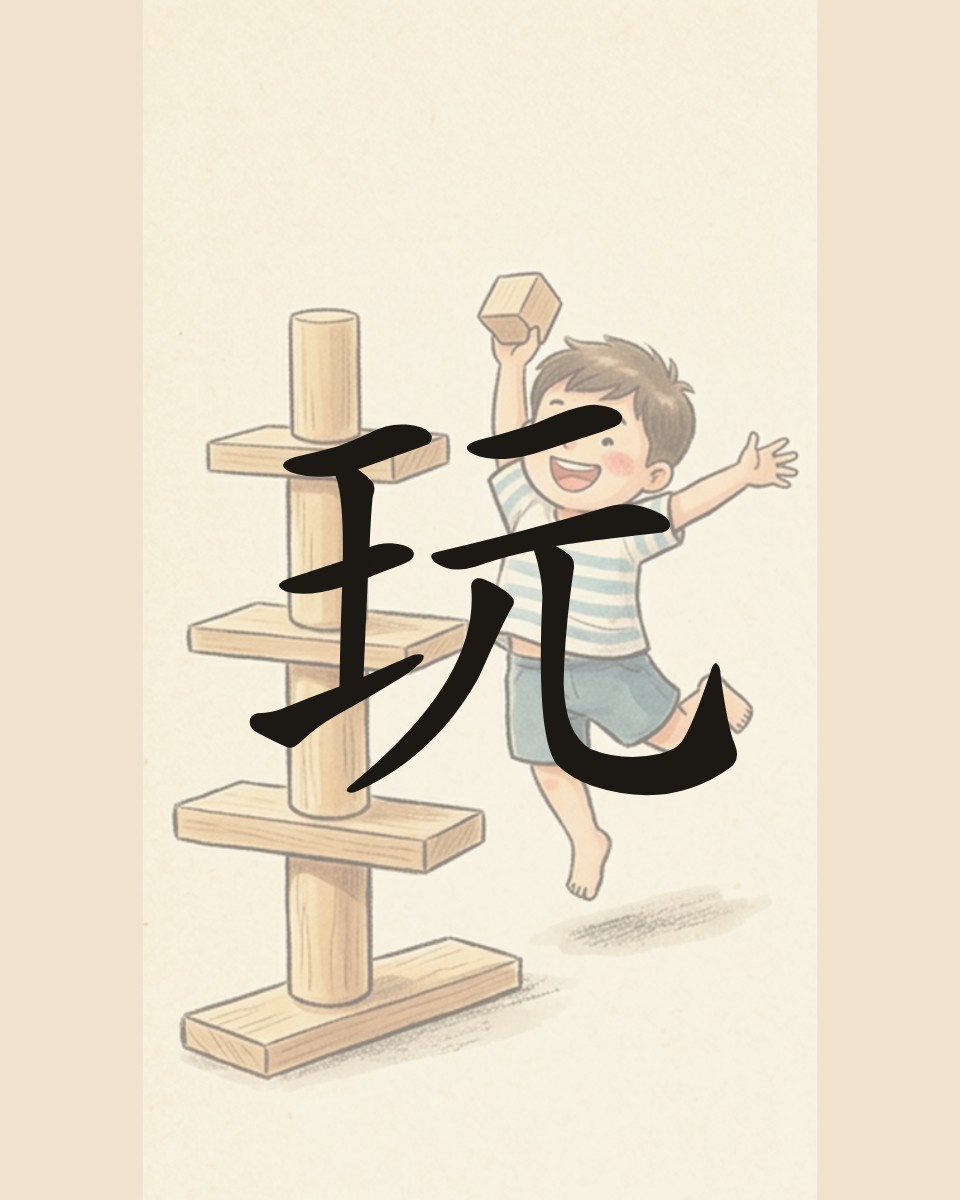
Free to watch24 sec

Playing with blocks: 玩

举着积木蹦起来,就是“玩”

A little boy builds a tall tower with blocks, then jumps up with one more block. Playing is fun! The tower, the block, his arms and his legs become 玩 (wán, to play). 好玩 (hǎowán) means fun. This is just a memory trick: really, 王 (jade) is for the meaning, and 元 (yuán) gives the sound. With English narration and subtitles.

Free to watch24 sec

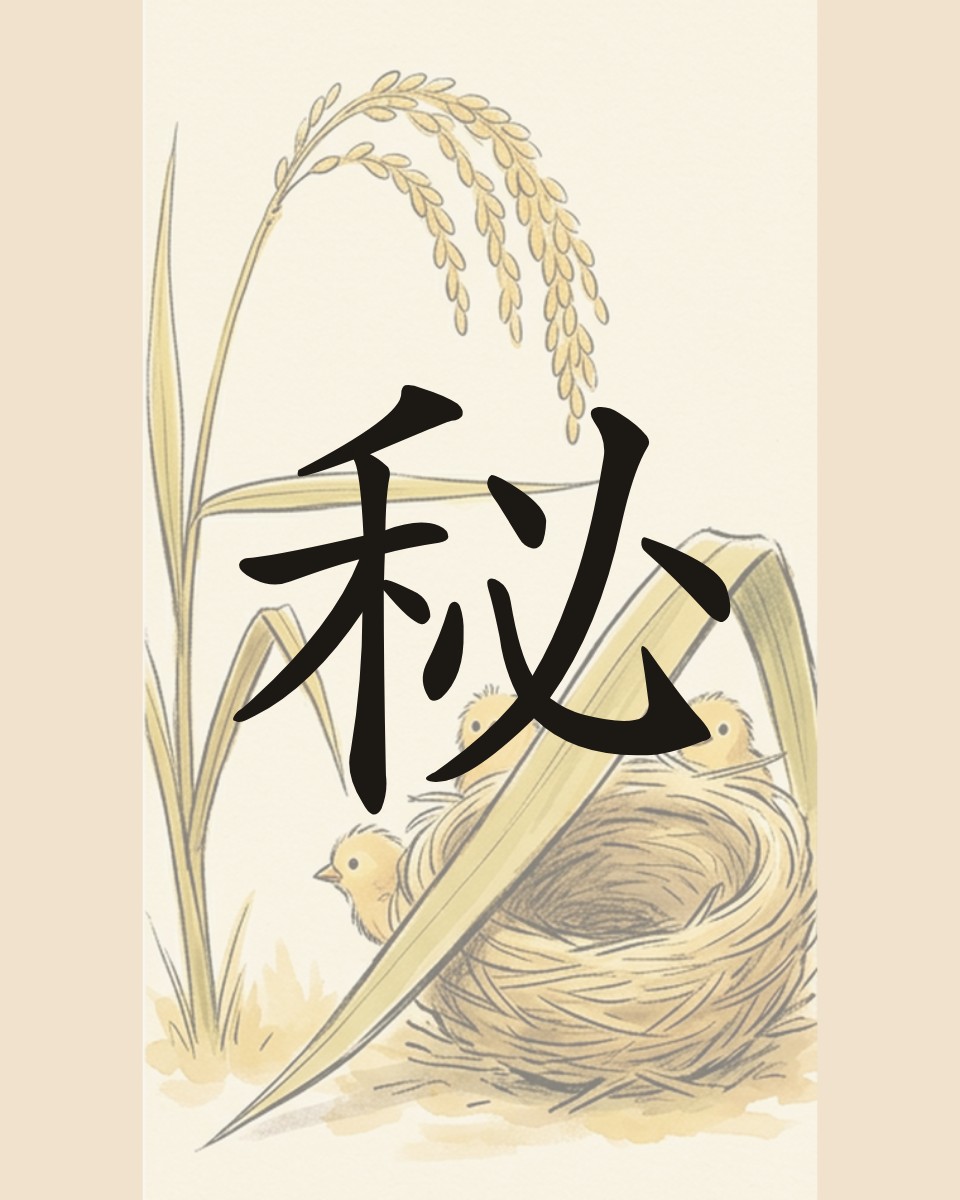
A secret nest: 秘

稻田里藏着的鸟窝,就是“秘”

A golden rice field. Look behind the rice: a little nest, hidden under a big leaf. Shh, it's a secret! The rice, the three little birds, the nest and the big leaf become 秘 (mì, secret). 秘密 (mìmì) means a secret. This is just a memory trick: really, 必 (bì) gives the sound. With English narration and subtitles.

Free to watch21 sec

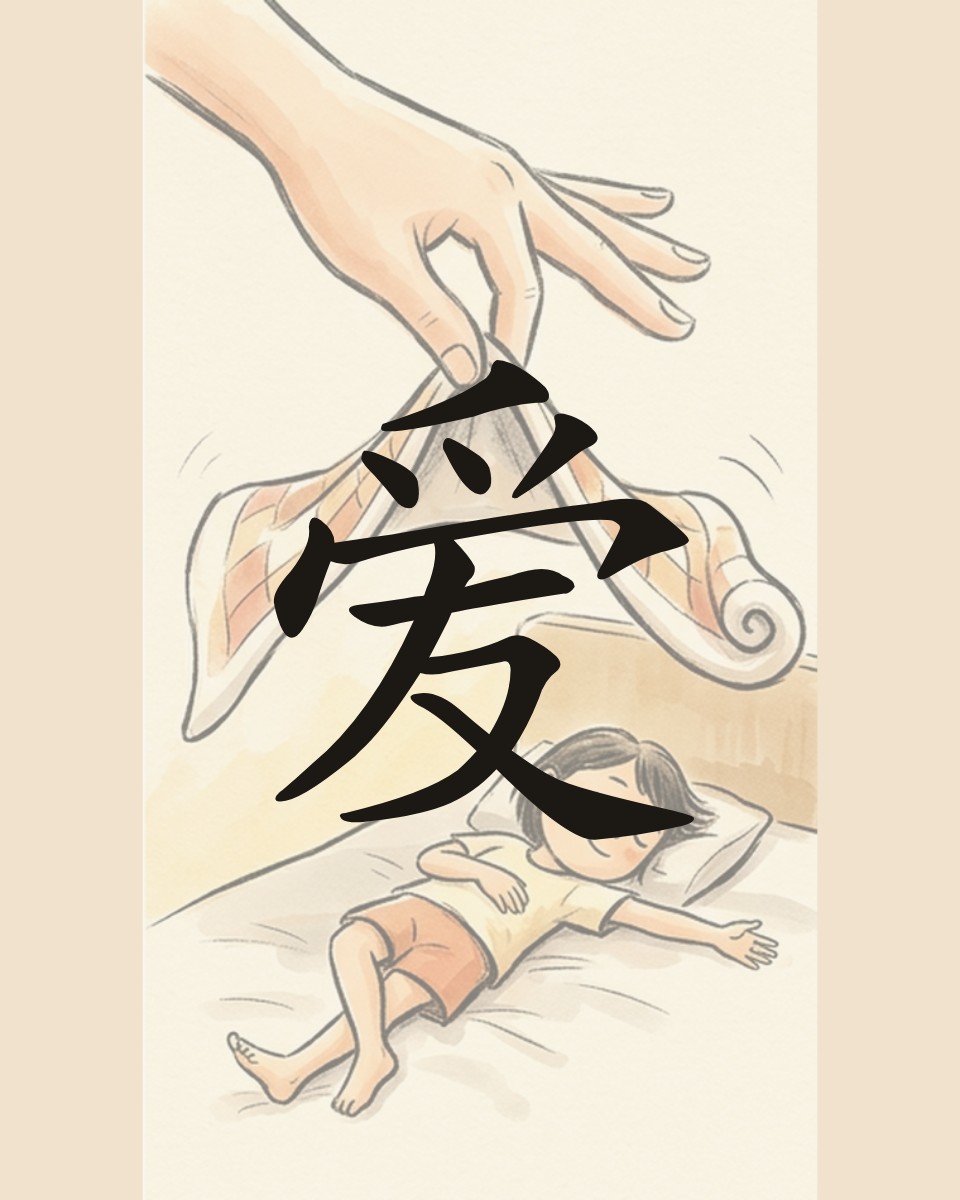
A blanket of love: 爱

给睡着的小姑娘盖被子,就是“爱”

A little girl is fast asleep. A gentle hand puts a soft blanket over her. That is love. The hand, the blanket and the sleeping girl become 爱 (ài, love). 我爱你 (wǒ ài nǐ) means I love you. This is just a memory trick: the old form 愛 had a heart, 心, in the middle. With English narration and subtitles.

Radicals

偏旁

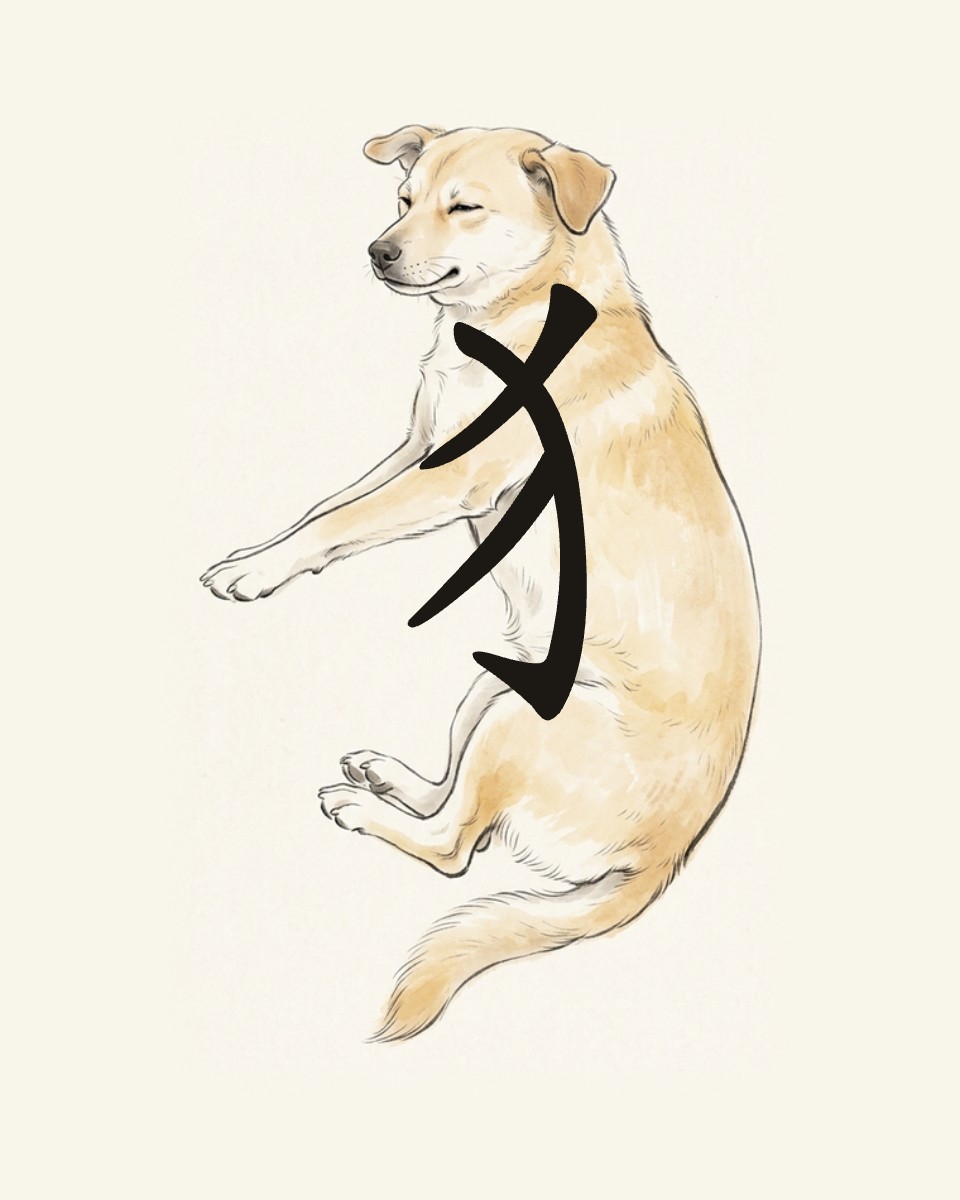
One side of a character tells you what it is about — 犭 means an animal: 狗 dog, 猫 cat, 猪 pig.
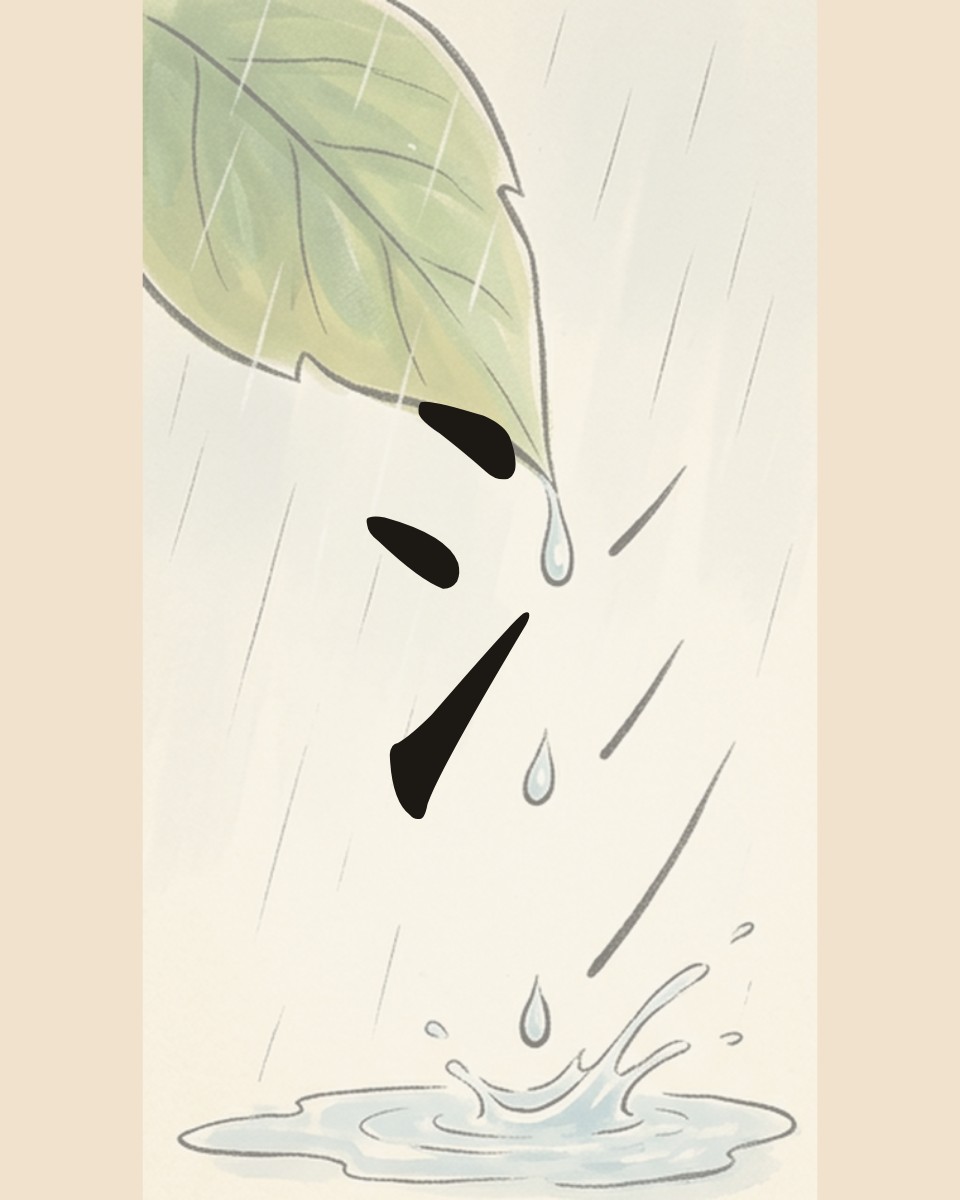
Free to watch32 sec

Rain drops from a leaf: 氵

叶尖掉下的雨滴,变成“氵”

It's raining. Drops fall from the tip of a leaf: drip, drip, and splash into the puddle! Two drops and the splash become 氵 (sāndiǎnshuǐ), the water radical. Characters with 氵 are often about water. This one is true: 氵 comes from 水 (shuǐ), water. At the end, read six 氵 characters together: 河 海 洗 游 汤 汗. With English narration and subtitles.

Free to watch30 sec

A polite bow: 亻

鞠躬的小伙子,变成“亻”

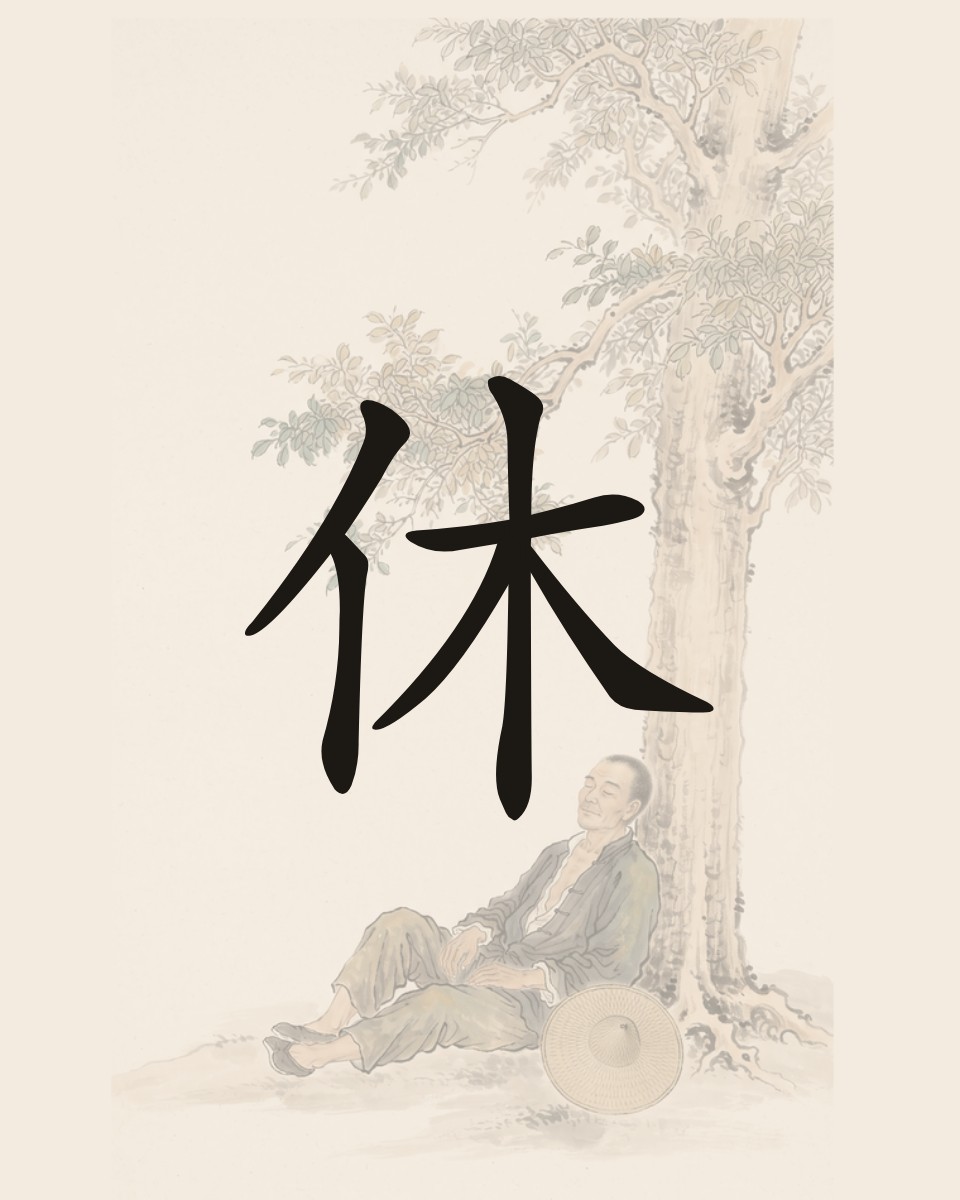
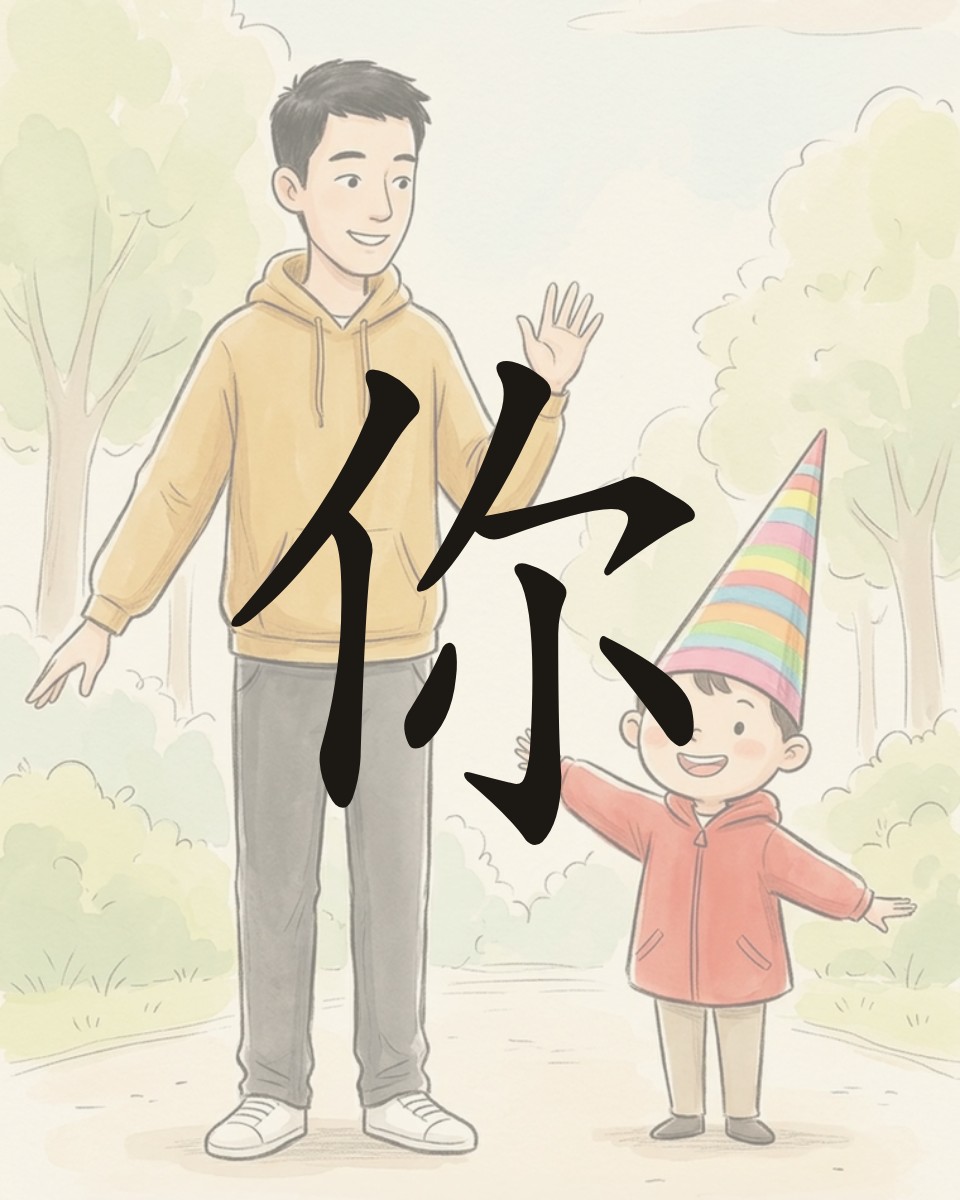
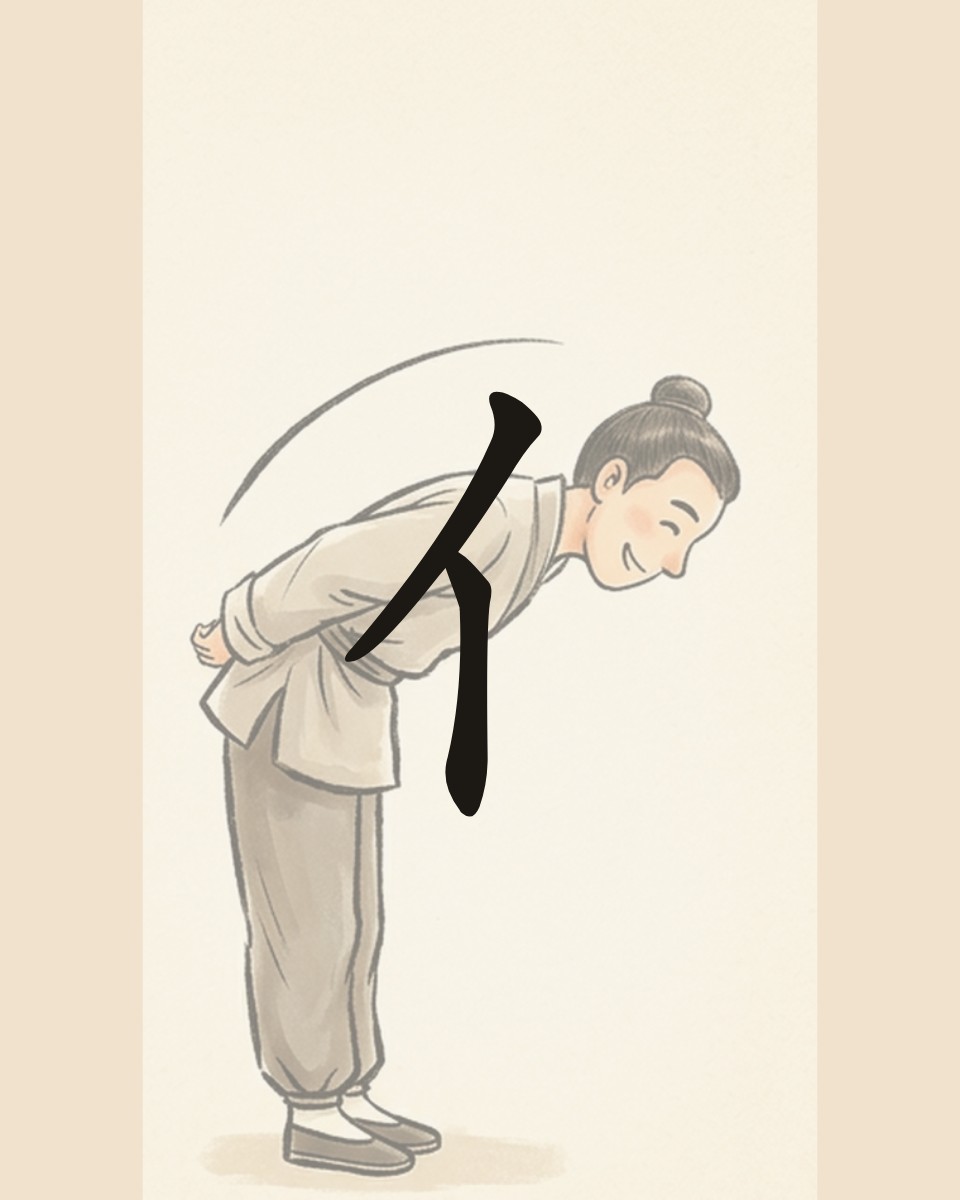
A young man bows politely: hello, nice to meet you! His back and his straight legs become 亻 (dānrénpáng), the person radical. Characters with 亻 are often about people. This one is true: 亻 comes from 人 (rén), a person. At the end, read six 亻 characters together: 你 他 休 住 做 信. With English narration and subtitles.

Free to watch32 sec

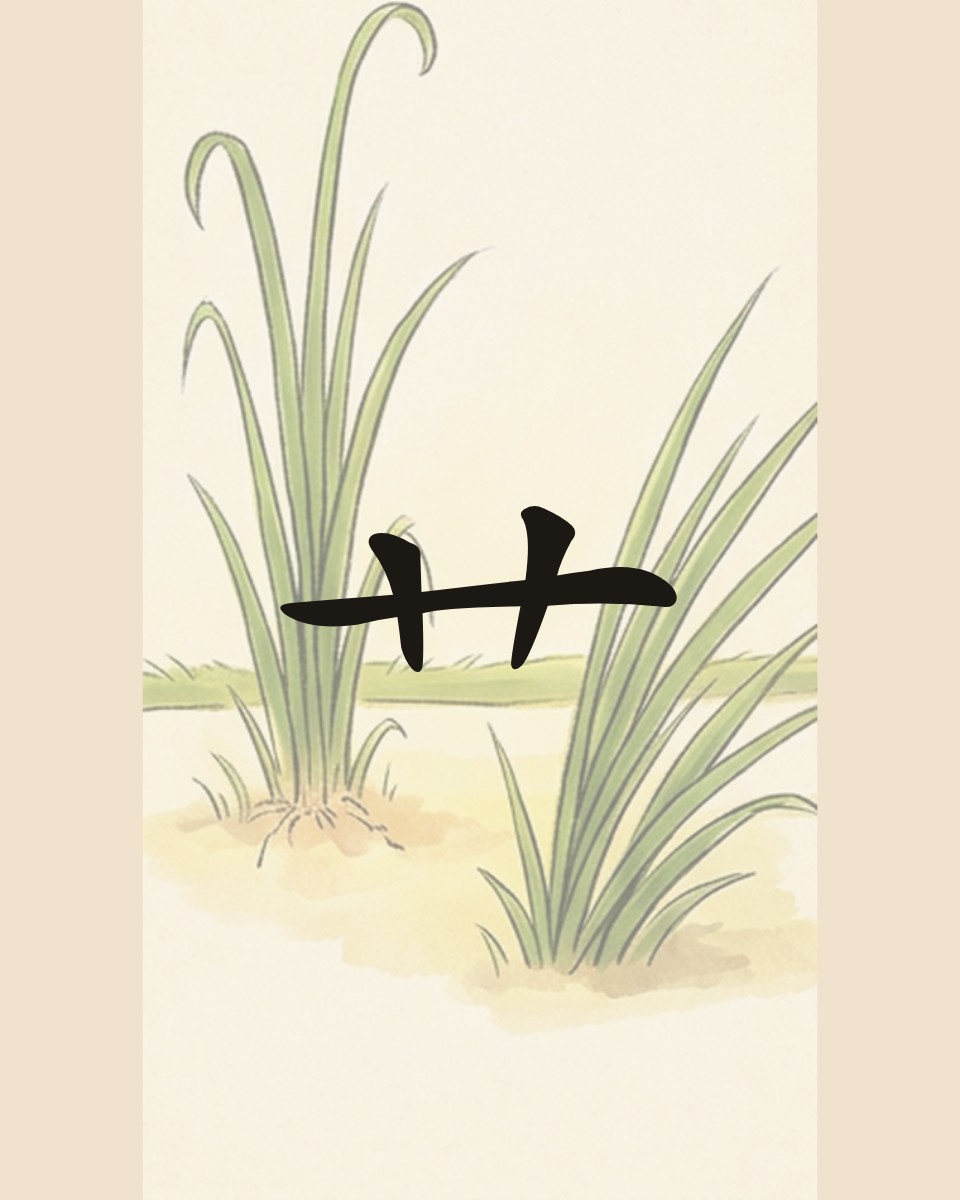
A hand holding a brush: 扌

握着毛笔的手,变成“扌”

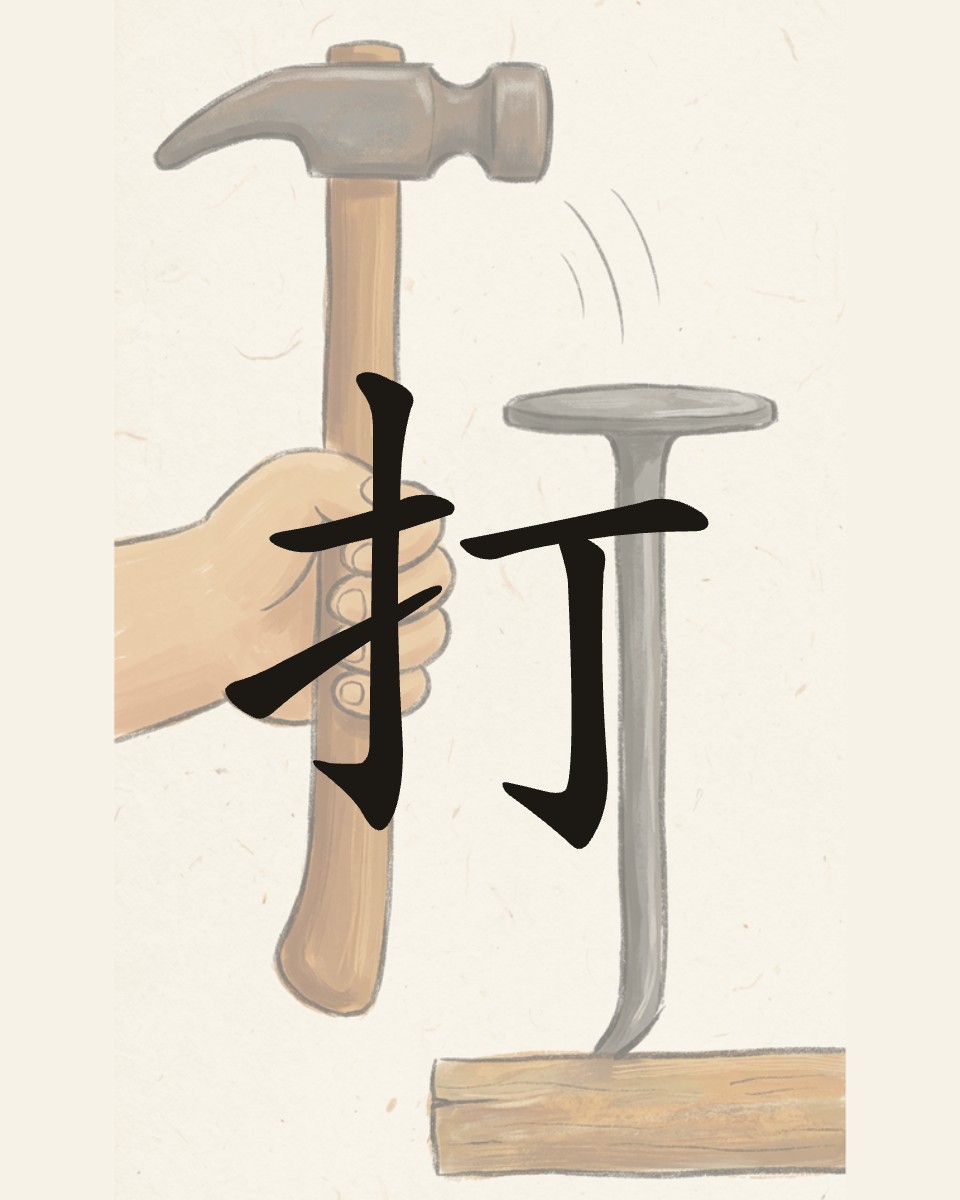
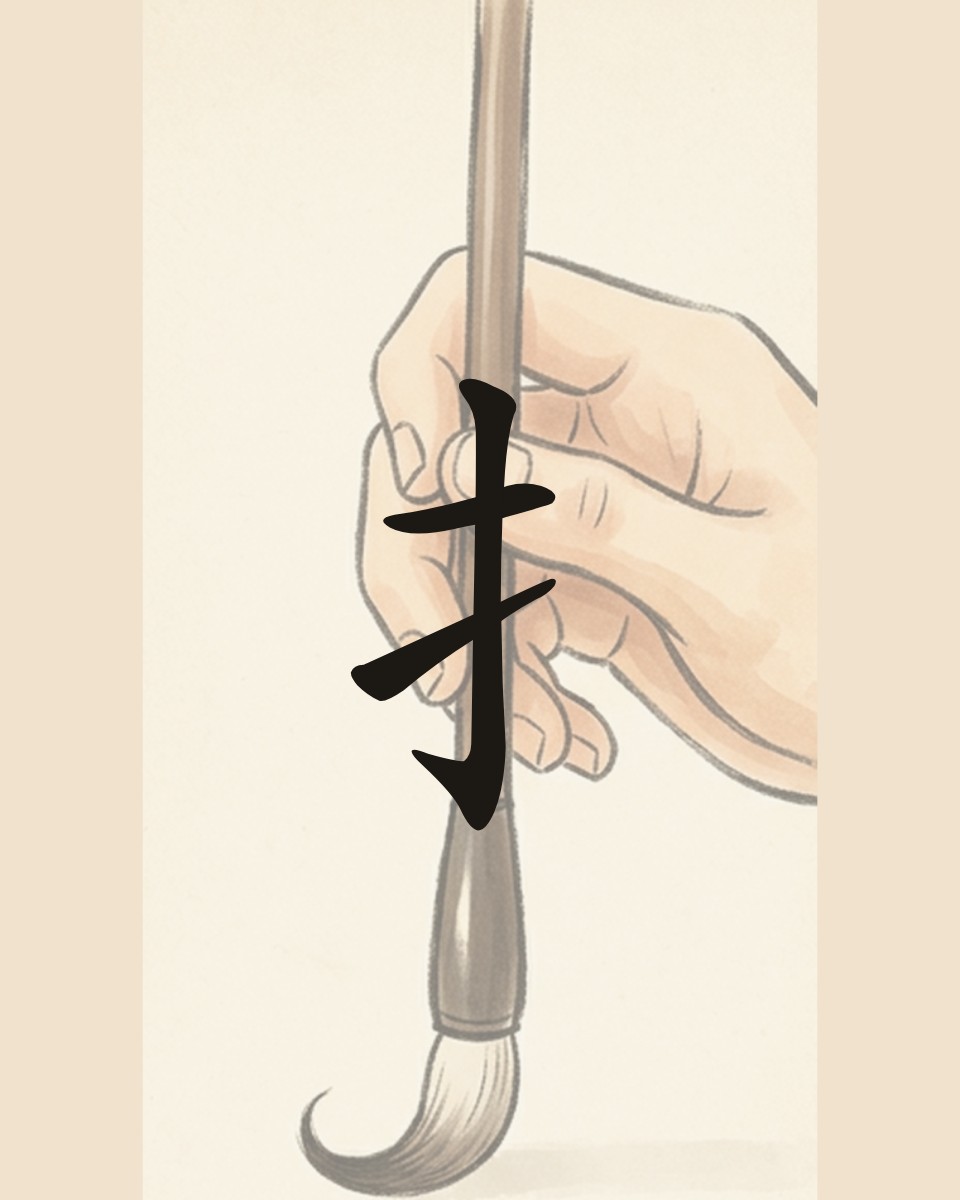
A hand holds a writing brush and writes on the paper. The brush tip bends. The fingers and the brush become 扌 (tíshǒupáng), the hand radical. Characters with 扌 are often things we do with our hands. This one is true: 扌 comes from 手 (shǒu), a hand. At the end, read six 扌 characters together: 打 推 拉 找 抱 拍. With English narration and subtitles.

Face characters

表情字

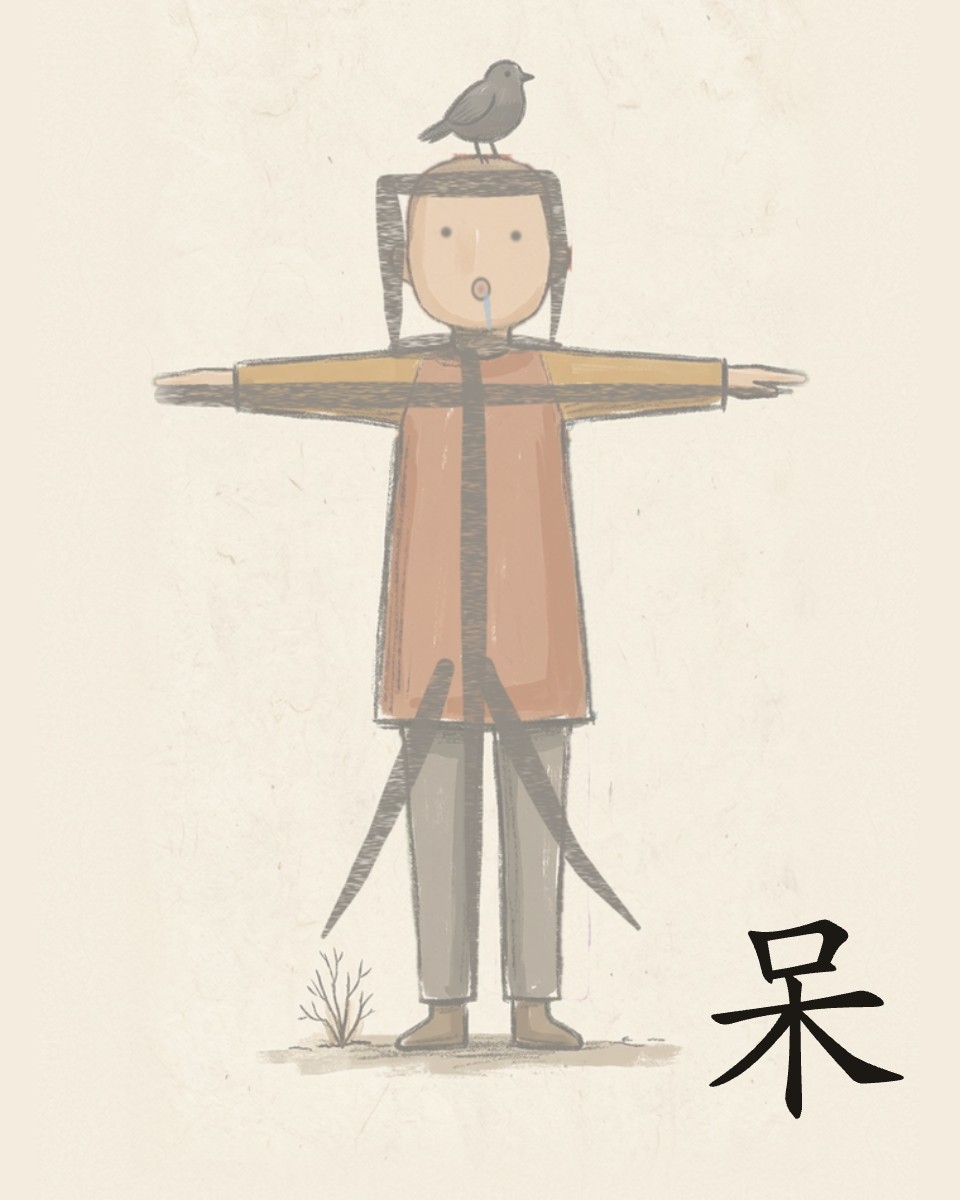
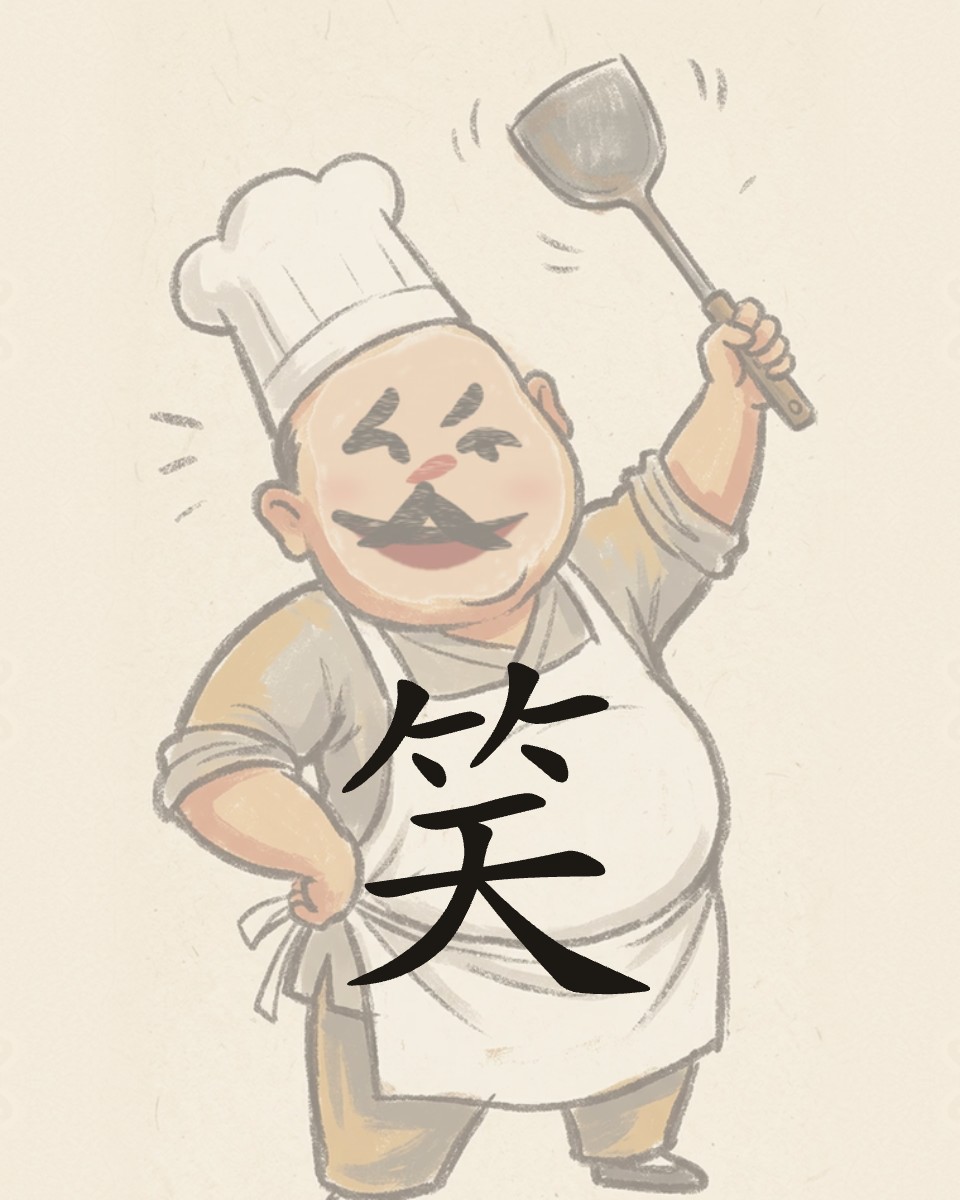
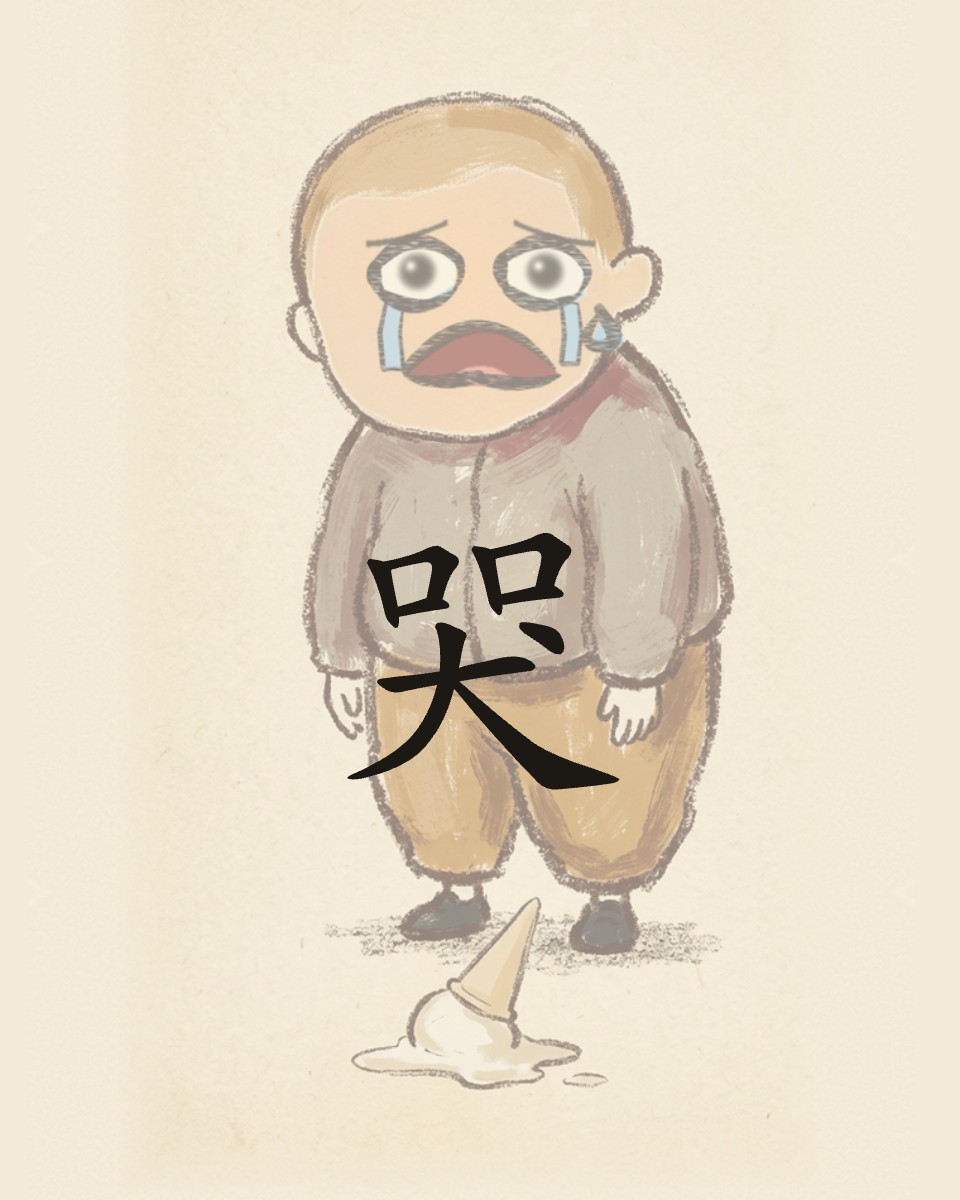
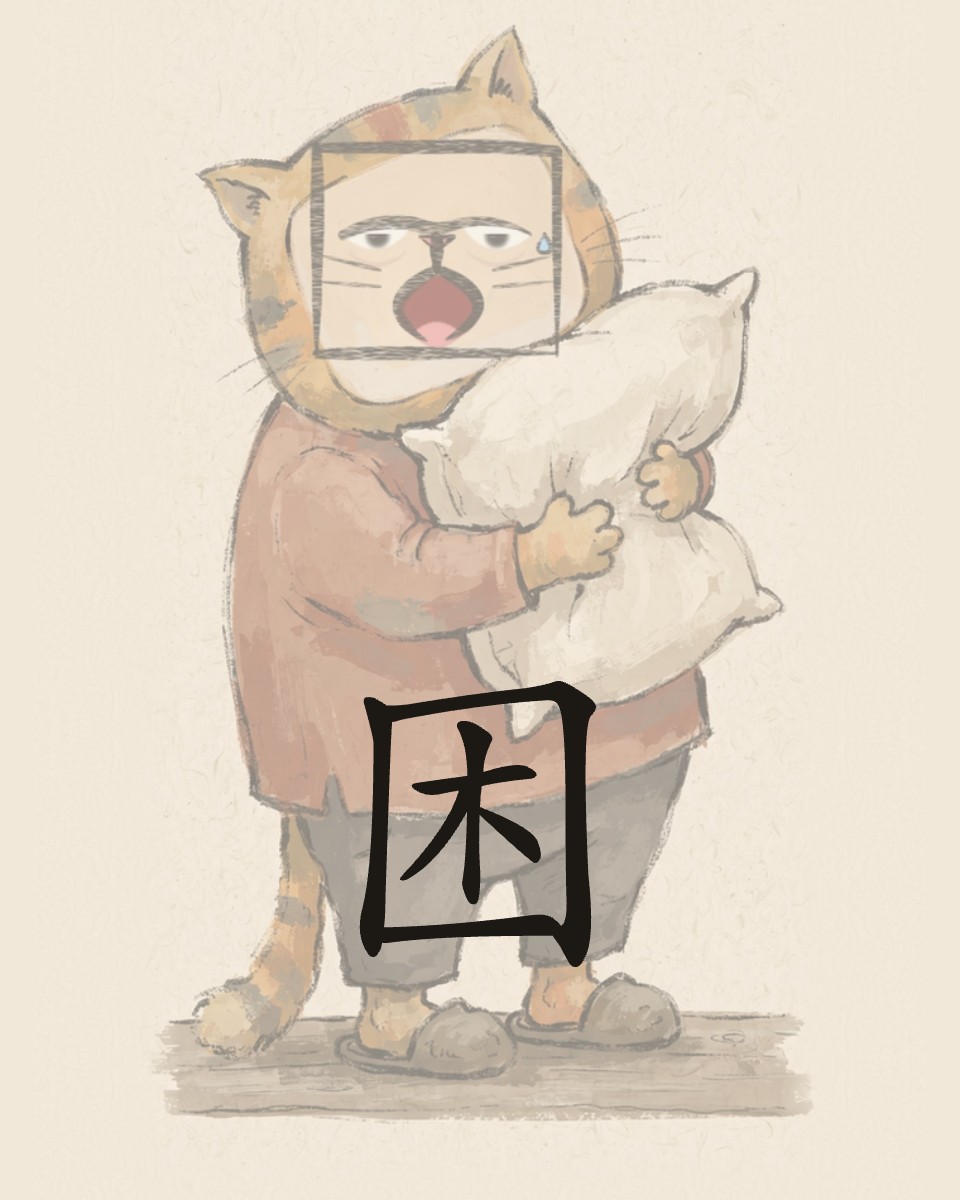
The strokes make a face: 笑 laugh, 哭 cry, 困 sleepy, 笨 silly, 呆 blank. Remember the face, remember the character.
Free to watch19 sec

The crying boy: 哭

掉了冰淇淋的小孩,哭成了「哭」

A little boy's ice cream falls on the ground and he cries. Look at his face: two teary eyes, a big crying mouth and a blue tear. Slowly they turn into the strokes of 哭 (kū, to cry). This face is a fun way to remember the character, not its history. Also: 别哭 (bié kū), don't cry. With English narration and subtitles.

Free to watch19 sec

The sleepy cat: 困

打哈欠的大橘猫,困成了「困」

A big orange cat hugs a pillow and yawns. Look at its square face: heavy eyelids, a huge yawn and a little tear. Slowly they turn into the strokes of 困 (kùn, sleepy). This face is a fun way to remember the character, not its history. Also: 我很困 (wǒ hěn kùn), I'm very sleepy. With English narration and subtitles.

Free to watch18 sec

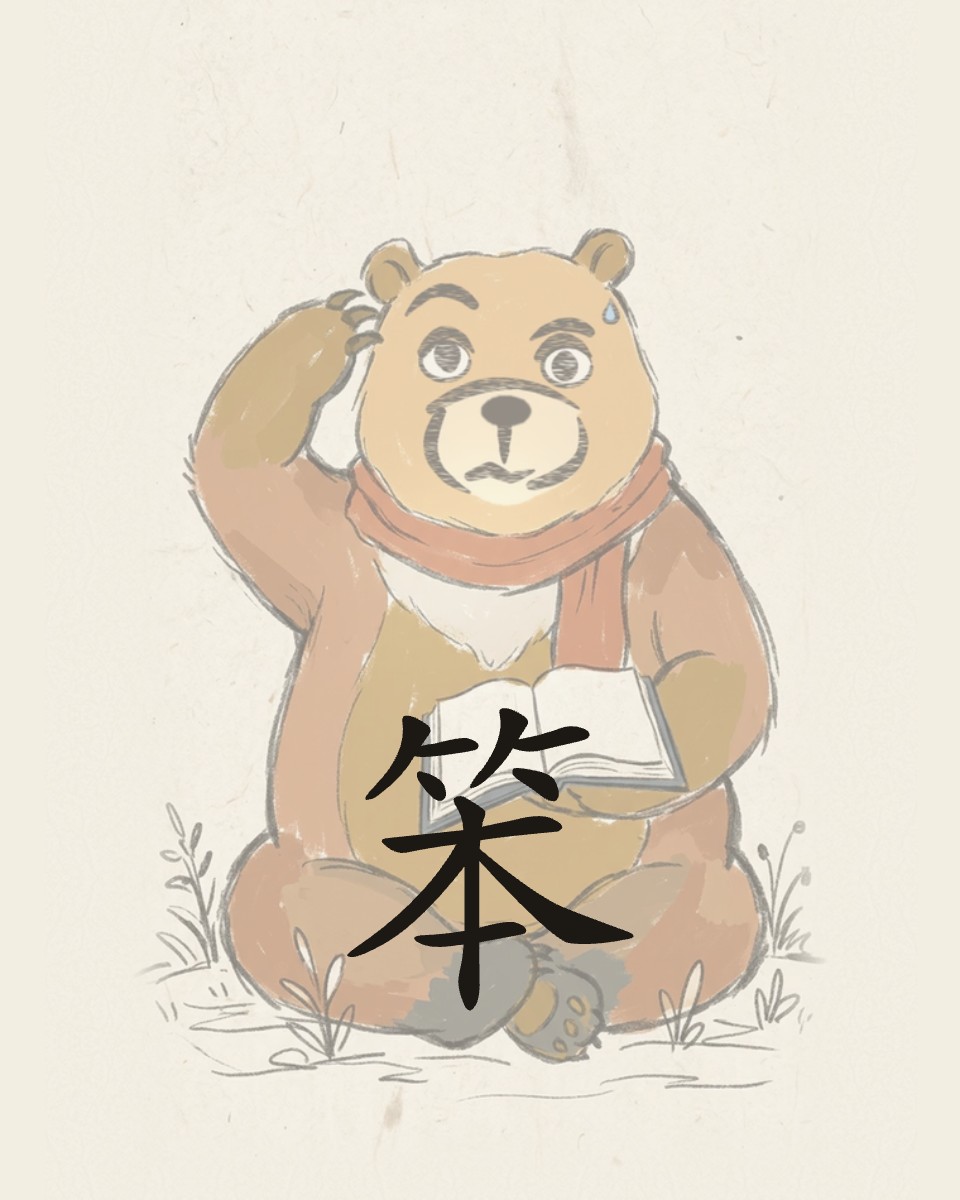
The puzzled bear: 笨

挠头的狗熊,一脸「笨」

A bear scratches its head over a book. Look at its face: one eyebrow up, one down, a crooked mouth and a drop of sweat. Slowly they turn into the strokes of 笨 (bèn, silly, not clever). This face is a fun way to remember the character, not its history. Also: 我真笨 (wǒ zhēn bèn), I'm so silly! With English narration and subtitles.