
Basic Grammar: all 87 lessons free
No sign-up needed, but nothing is saved. Sign up free and your progress and mistake book are kept — carry on from any phone or computer.
This practice works best alongside a lesson: to really get this grammar, book one and your teacher explains it and practises it with you.
哪 — Which One, Out of These
哪 + 量词 — 这些里面的哪一个
什么 asks what, 谁 asks who, 哪 asks which — and 哪 never goes near a noun without a measure word in between.
Sign up free — just an email. Your wrong answers go into your mistake book, and you can carry on on another device.
Sign up / sign inCloned voice — synthesised in a real teacher's timbre, not a recording of her.
Memory hook
哪 + 量词 + 名词 — the middle piece never drops
Five questions, five measure words
Tap any line. Watch the middle character change while 哪 stays put.
Tap any line to hear it
Pronunciation clinic
哪 nǎ dips. 那 nà drops. 哪儿 nǎr asks where.
哪 nǎ — which one of these
那 nà — that one over there
哪儿 nǎr — where
One dips and one drops, and they are the difference between asking a question and pointing at an answer. 哪 with 儿 stuck on the end stops meaning which and starts meaning where — 你去哪儿 is where are you going, and there is no measure word in sight.
哪 nǎ——这些里面的哪一个
那 nà——那边那个
哪儿 nǎr——哪里
一个是弯的,一个是掉的,而它们的区别就是「在问问题」和「在指答案」的区别。「哪」后面加个「儿」,就不再是 which,变成 where 了——「你去哪儿」是 where are you going,而且后面一个量词也没有。
Pick the measure word选量词
No pressure — just making it stick.

哪____是你的咖啡?
Nǎ ____ shì nǐ de kāfēi?
Which cup is your coffee?

你想买哪____书?
Nǐ xiǎng mǎi nǎ ____ shū?
Which book do you want to buy?
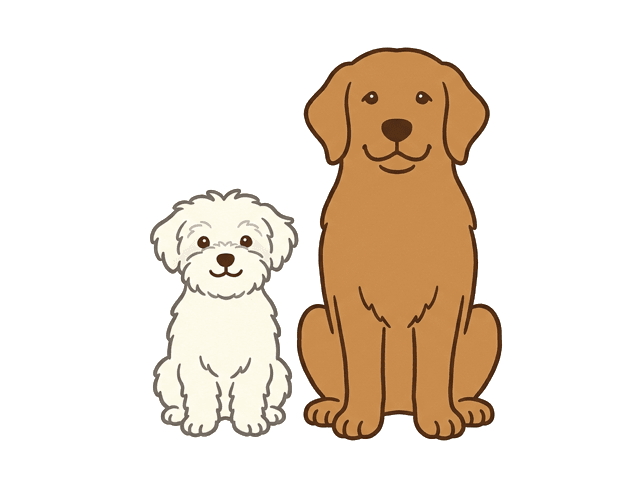
你喜欢哪____狗?
Nǐ xǐhuan nǎ ____ gǒu?
Which dog do you like?
Your turn — say it
哪杯是你的咖啡?
Which cup is your coffee?
Which answer fits?
你去____?
Nǐ qù ____?
Where are you going?
Your turn — say it
你喜欢哪只狗?
Which dog do you like?

____位是你的中文老师?
____ wèi shì nǐ de Zhōngwén lǎoshī?
Which one is your Chinese teacher?
This lesson's characters
哪 itself, and the two measure words the last lesson left for it.
which
形meaning + sound
口 on the left, because asking is done with the mouth — that is now your fourth 口 character after 吗, 吃 and 喝. 那 nà on the right gives the sound almost exactly; only the tone moves. Which is why the two are so easy to mix up: 哪 dips, 那 drops.
measure word for people, politely
会two ideas joined
亻 for a person and 立 for standing. These were once the same character — a person drawn on a line, the place where he stands — read lì when it meant to stand and wèi when it meant the position. Later the two were pulled apart and 亻 was added to the noun. Counting people by the place they occupy is why 位 sounds respectful.
measure word for animals
会two ideas joined
It used to be written 隻: 又, a hand, holding 隹, a bird — one bird caught, and that was the count. When the writing was simplified 隻 was not redrawn. A different character that already existed, 只 — a mouth with two strokes for breath, an old sentence-final particle — was borrowed to stand in for it. That is why the shape shows you a mouth and no bird at all.
Take these with you
Everything worth taking away. Tap any line to hear it.
Words 生词
Characters 汉字
Before you go课后回顾
- Find two of the same thing near you — two cups, two books, two chairs — and ask 哪个是我的 out loud.
- 什么, 谁, 哪. Three questions, one rule: the question word sits where the answer will sit.
- If the measure word will not come, use 个. A wrong 个 is understood; a missing measure word is not.