
《基本语法》87 课,全部免费练
不用注册就能做,但不保存进度。免费注册后,进度和错题本都会保存,换手机、换电脑都能接着做。
这些练习配合上课效果最好:想把这个语法讲透,约一节课,老师带你讲、带你练。
哪 — Which One, Out of These
哪 + 量词 — 这些里面的哪一个
什么 asks what, 谁 asks who, 哪 asks which — and 哪 never goes near a noun without a measure word in between.
免费注册,只要一个邮箱:做错的题会进你的错题本,做到一半换个设备也能接着做。
注册 / 登录克隆声:用真人老师的音色合成,不是本人的录音。
记忆锦囊
哪 + 量词 + 名词 — the middle piece never drops
五个问题,五个量词
Tap any line. Watch the middle character change while 哪 stays put.
点任意一行听发音
发音诊所
哪 nǎ dips. 那 nà drops. 哪儿 nǎr asks where.
哪 nǎ——这些里面的哪一个
那 nà——那边那个
哪儿 nǎr——哪里
一个是弯的,一个是掉的,而它们的区别就是「在问问题」和「在指答案」的区别。「哪」后面加个「儿」,就不再是 which,变成 where 了——「你去哪儿」是 where are you going,而且后面一个量词也没有。
哪 nǎ — which one of these
那 nà — that one over there
哪儿 nǎr — where
One dips and one drops, and they are the difference between asking a question and pointing at an answer. 哪 with 儿 stuck on the end stops meaning which and starts meaning where — 你去哪儿 is where are you going, and there is no measure word in sight.
Pick the measure word选量词
别紧张——只是帮你记牢。

哪____是你的咖啡?
Nǎ ____ shì nǐ de kāfēi?
Which cup is your coffee?

你想买哪____书?
Nǐ xiǎng mǎi nǎ ____ shū?
Which book do you want to buy?
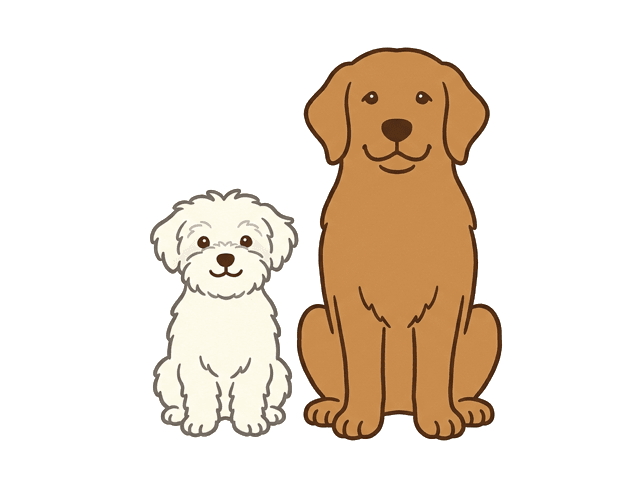
你喜欢哪____狗?
Nǐ xǐhuan nǎ ____ gǒu?
Which dog do you like?
轮到你说
哪杯是你的咖啡?
Which cup is your coffee?
Which answer fits?
你去____?
Nǐ qù ____?
Where are you going?
轮到你说
你喜欢哪只狗?
Which dog do you like?

____位是你的中文老师?
____ wèi shì nǐ de Zhōngwén lǎoshī?
Which one is your Chinese teacher?
这一课的字
哪 itself, and the two measure words the last lesson left for it.
which
形形声 · 一半意思一半读音
左边是「口」,因为问话是用嘴的——这是继「吗、吃、喝」之后你的第四个带口的字。右边的「那」nà 几乎把音原样给了它,只有声调变了。这也是为什么两个字这么容易混:「哪」是弯的,「那」是掉的。
measure word for people, politely
会会意 · 两个意思合起来
「亻」是人,「立」是站。这两个本来是同一个字——一个人画在一条线上,就是他站的地方——当动词「站」讲时读 lì,当名词「位置」讲时读 wèi。后来才分开,名词那个加上了「亻」。用一个人占的位置来数人,这就是「位」听起来客气的原因。
measure word for animals
会会意 · 两个意思合起来
它原来写作「隻」:「又」是手,抓着「隹」——一只鸟,抓到一只,就是「一只」。简化的时候「隻」并没有被重画。而是借用了一个本来就存在的字「只」——一个「口」加两笔气往下走,古代的句末语气词。所以你看到的是一张嘴,一只鸟也没有。
带走这些
这个练习值得带走的全部。点任何一行都能听。
生词
汉字
课后回顾Before you go
- 在你身边找两个一样的东西——两个杯子、两本书、两把椅子——出声问「哪个是我的」。
- 什么、谁、哪。三个疑问词,一条规则:疑问词坐在答案将要坐的位置上。
- 量词想不起来就用「个」。用错的「个」别人听得懂,缺了量词就听不懂了。