
Basic Grammar: all 87 lessons free
No sign-up needed, but nothing is saved. Sign up free and your progress and mistake book are kept — carry on from any phone or computer.
This practice works best alongside a lesson: to really get this grammar, book one and your teacher explains it and practises it with you.
谁 — The Word That Stands Where the Person Stands
谁 — 站在人的位置上
You already know this trick. 谁 works exactly like 什么: put it where the answer goes and leave everything else alone.
Sign up free — just an email. Your wrong answers go into your mistake book, and you can carry on on another device.
Sign up / sign inCloned voice — synthesised in a real teacher's timbre, not a recording of her.
Memory hook
谁 sits in the chair the answer will sit in
The five you will use every week
Tap any line. The person is in a different slot each time, and 谁 simply follows.
Tap any line to hear it
Pronunciation clinic
shéi, not shway
谁 is shéi — sh- like the English shoe, then a rising éi that ends where 诶 ends. It climbs, the way the second tone always does.
You will also see shuí in dictionaries and songs. Same character, older reading. Say shéi and you will sound like everyone around you.
「谁」读 shéi——sh 像英语 shoe 的开头,后面是往上爬的 éi。它是二声,所以要往上走。
字典和歌里你也会看到 shuí。同一个字,是更老的读法。说 shéi,就跟你身边所有人一样。
Say it, then choose it先说出来,再选
No pressure — just making it stick.
Your turn — say it
他是谁?
Who is he?
Someone points at a man across the room and asks this. What are they asking?

这是____的手机?
Zhè shì ____ de shǒujī?
Whose phone is this?
____喜欢喝咖啡?
____ xǐhuan hē kāfēi?
Who likes drinking coffee?
Your turn — say it
谁是你的中文老师?
Who is your Chinese teacher?
____是我妈妈。
Tā shì wǒ māma.
She is my mother.
Your turn — say it
这是谁的手机?
Whose phone is this?
Which answer actually works?
Famous faces — who is this?名人:他是谁?
Eight faces you already know. Ask the question, then answer it with the name.
Who is this?他是谁?
No pressure — just making it stick.
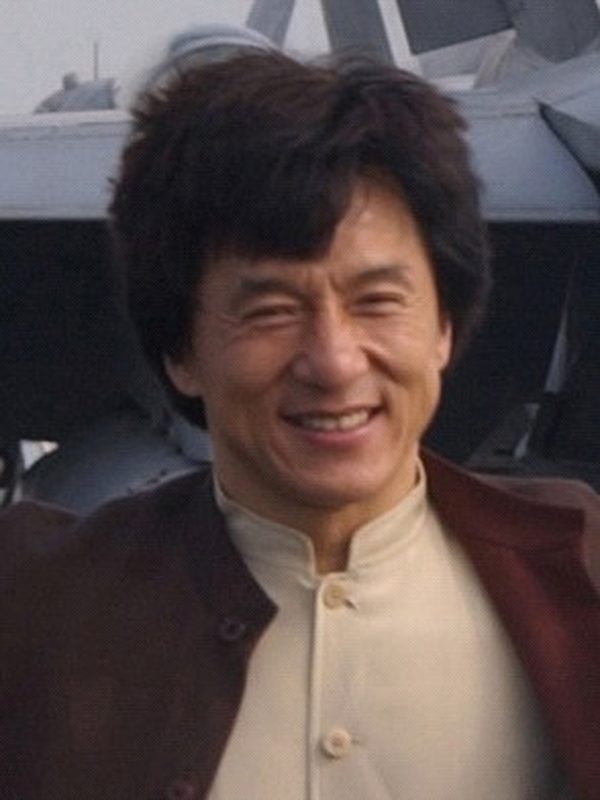
他是谁?——他是____。
tā shì shéi?—— tā shì ____。
Who is he? — He is 成龙.

她是谁?——她是____。
tā shì shéi?—— tā shì ____。
Who is she? — She is 谷爱凌.
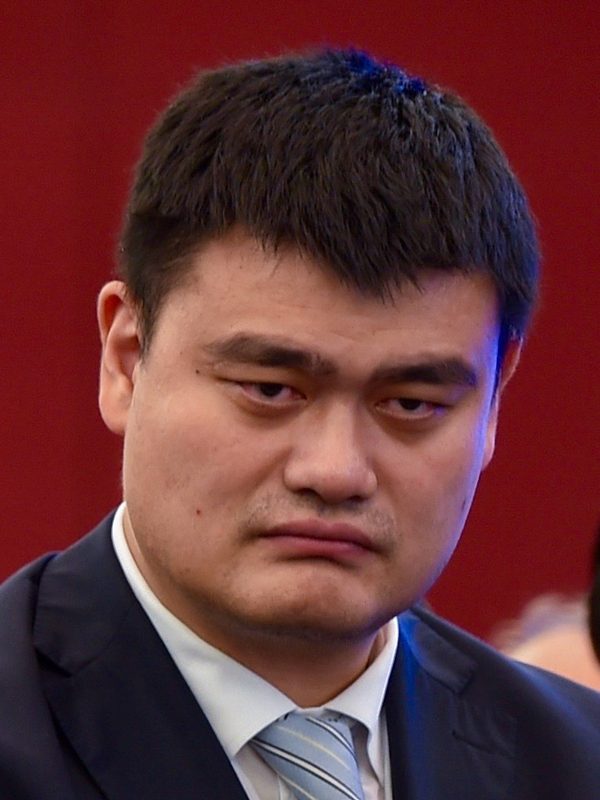
他是谁?——他是____。
tā shì shéi?—— tā shì ____。
Who is he? — He is 姚明.

他是谁?——他是____。
tā shì shéi?—— tā shì ____。
Who is he? — He is 梅西.
看照片,配名字:他是谁?她是谁?
Tap a picture, then choose its word. Picked wrong? Tap that picture and choose again. Match all the cards to finish.
Talk about them
Draw a lot: name the person, then add one more sentence about them in Chinese.
4 topics are too many — you answer the ones you draw. Two questions per lot.
Tap “Draw”: the tube shakes and two questions come out. Say them or type them, save, and send the file to your teacher.
▸ All 4 topics (for the teacher in class)
他是谁?他是哪国人?
Who is he? Where is he from?

她是谁?你喜欢她吗?
Who is she? Do you like her?

他是谁?他做什么?
Who is he? What does he do?
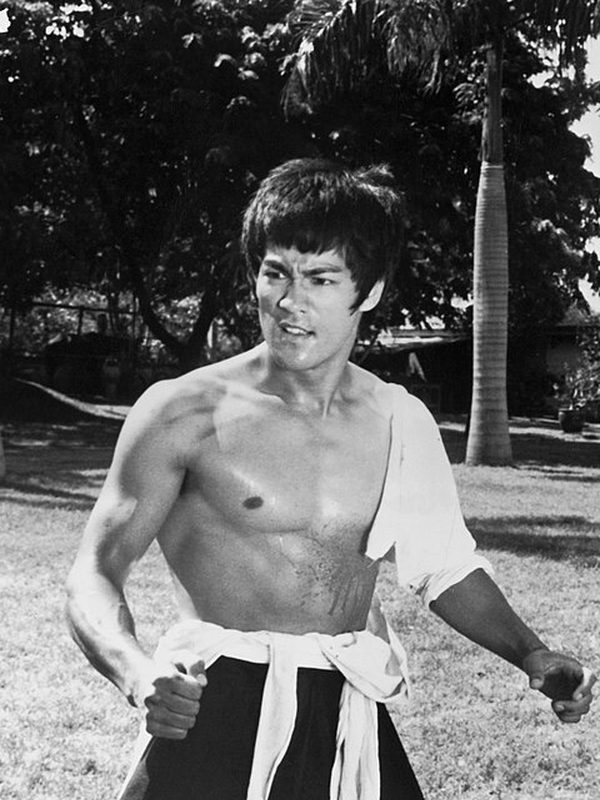
他是谁?他是哪国人?
Who is he? Where is he from?
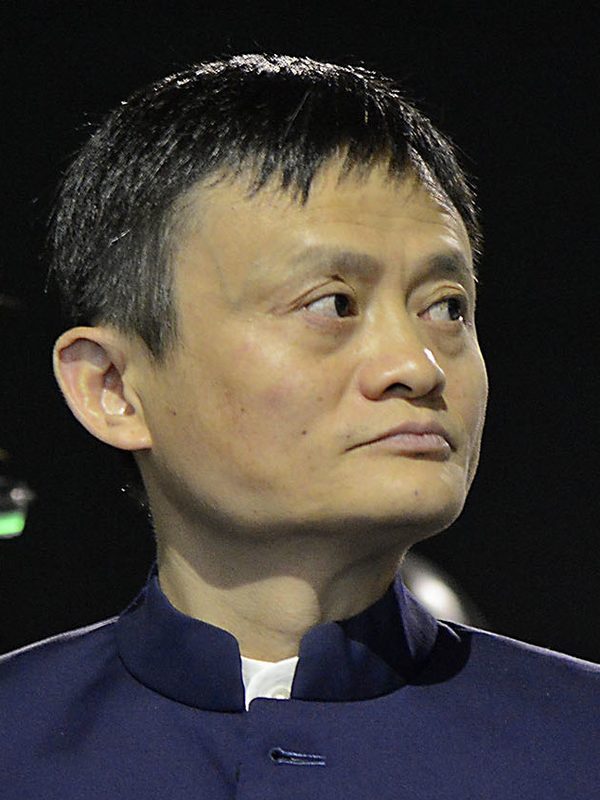
记Class notes
Notes for the whole lesson go here and save as you type.
This lesson's characters
Three characters, two of them sharing a sound part — and the pair that lets you talk about anybody.
he, him
形meaning + sound
亻 on the left says this is about a person, the same squashed 人 from the 吗 lesson. 也 on the right was put there for its sound. That sound has wandered a long way since — 也 is yě and 他 is tā — but the pair still travels together.
she, her
形meaning + sound
Swap the person for a woman and you have she. Said out loud 他 and 她 are identical — tā and tā — so Chinese only tells them apart in writing. That is the opposite of English, where he and she sound different and look different.
the plural mark
形meaning + sound
亻 for people and 门 mén for the sound, and this time the sound has not drifted at all: 门 is mén and 们 is men, just lighter. Stick it on a person and you get more than one — 我们 we, 你们 you all, 他们 they.
Take these with you
Everything worth taking away. Tap any line to hear it.
Words 生词
Characters 汉字
Before you go课后回顾
- Point at three people in a photo on your phone and ask 他是谁 / 她是谁 out loud. Answer yourself.
- 什么 and 谁 are the same trick — one asks for a thing, one asks for a person. Say one sentence with each.
- You can ask who someone is. Next lesson: ten small words, and you can count to 99,999.