“Basic Grammar” has 87 exercises — the first 3 are free
Guest mode saves no progress and keeps no wrong-answer book. Jane’s students come in through her invitation link and every exercise follows their lessons; a teacher who buys the courseware opens the whole course for a class with one code.
什么 — Stays Where the Answer Goes
什么 — 站在答案的位置上
English moves the question word to the front. Chinese leaves it exactly where the answer goes.
Memory hook
Put 什么 where the answer goes
Ask, then answer — same shape
Listen to each pair. Notice that the answer is the question with one word replaced.
🔊 Tap any line to hear it
Memory hook
什么 can also go first — when it IS the answer
Where does 什么 go?随堂小练
No pressure — just making it stick.
你喜欢吃____?
Nǐ xǐhuan chī ____?
What do you like to eat?
____好吃?
____ hǎochī?
What is delicious?
你想喝____咖啡?
Nǐ xiǎng hē ____ kāfēi?
What coffee do you want to drink?
Which one is correct Chinese?
Look and answer随堂小练
No pressure — just making it stick.

我喜欢喝____。
Wǒ xǐhuan hē ____.
I like drinking ____.
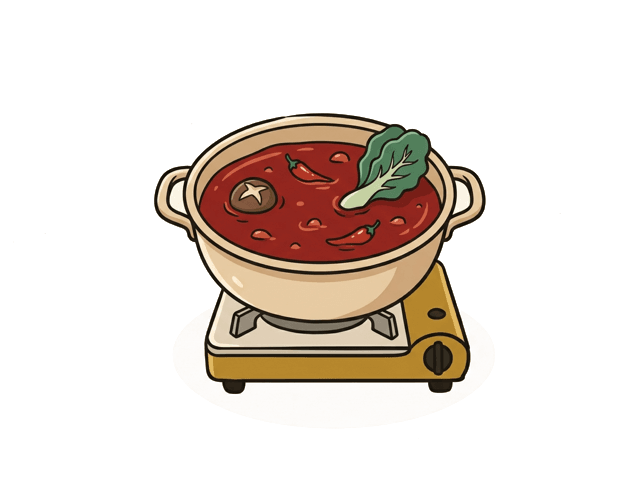
我喜欢吃____。
Wǒ xǐhuan chī ____.
I like eating ____.
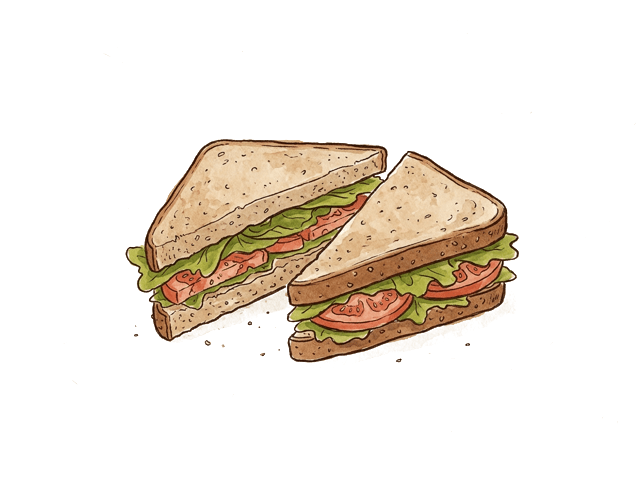
我想吃____。
Wǒ xiǎng chī ____.
I want to eat ____.
This lesson's characters
Today's verbs are built the same way, and you already know the half two of them share. The third swaps the mouth for a heart.
to eat
形meaning + sound
口 again — the mouth you learned in 吗. Eating happens at a mouth, so the meaning half is a mouth, and 乞 qǐ points roughly at the sound. Roughly is normal: a sound part gets you close, not exact.
to drink
形meaning + sound
Same mouth, different sound part. 吃 and 喝 are twins: both are things you do with your mouth, and Chinese wrote them that way on purpose. Three characters now with 口 on the left — 吗, 吃, 喝.
to think, to want
形meaning + sound
Not a mouth this time — a heart. 心 sits underneath, because Chinese puts thinking in the heart rather than the head. On top is 相 xiāng, there for the sound alone: say xiāng, drop it into third tone, and you have xiǎng. 你想吃什么 is, character by character, what does your heart want to eat.
Ask it out loud随堂小练
No pressure — just making it stick.
Your turn — say it
你喜欢吃什么?
What do you like to eat?
Your turn — say it
什么好吃?
What is delicious?
Your turn — say it
你想喝什么咖啡?
What kind of coffee do you want?
The five sentences to drill
什么 never moves. Say each question, then answer it about yourself.
🔊 Tap any line to hear it
Drill them out loud随堂小练
No pressure — just making it stick.
Your turn — say it
你喜欢什么?
What do you like?
Your turn — say it
你喜欢吃什么?
What do you like to eat?
Take these with you
Everything worth taking away. Tap any line to hear it.
Words 生词
Characters 汉字
Before you go课后回顾
- Ask yourself these out loud and answer them: 你喜欢吃什么? 你喜欢喝什么? 你喜欢什么运动? Say both halves — the shape is the point.
- Take any sentence you can say and replace one word with 什么. You have just made a question, without moving anything.
- Bring me three 什么 questions next class. I will answer them and you will hear how much you understood.