
Basic Grammar: all 87 lessons free
No sign-up needed, but nothing is saved. Sign up free and your progress and mistake book are kept — carry on from any phone or computer.
This practice works best alongside a lesson: to really get this grammar, book one and your teacher explains it and practises it with you.
了 — Where It Sits Is What It Means
了 — 放在哪儿,意思就在哪儿
One little 了, three jobs: something happened, something changed, or 太……了 too much. Where it sits in the sentence is what it means.
Sign up free — just an email. Your wrong answers go into your mistake book, and you can carry on on another device.
Sign up / sign inCloned voice — synthesised in a real teacher's timbre, not a recording of her.
Grammar
「了」looks easy — it isn't
了 looks simple, but many learners get it wrong — even advanced students. To build a solid base from the start, take a proper lesson with a professional teacher on the basic uses of 了.
这个「了」字虽然看着简单,但是实际上很多人弄错,甚至很多高级的学生都会用错。为了从一开始就打好基础,建议你找专业老师好好上一节课,学学这个「了」的基本用法。
Memory hook
General? Sentence-end. Specific? Right after the verb.
Six sentences, four jobs
Tap any line — and check where 了 sits before you check what the sentence means.
Tap any line to hear it
Memory hook
没 deletes 了 — unless 了 means change
Where does 了 sit?「了」坐哪儿?
No pressure — just making it stick.
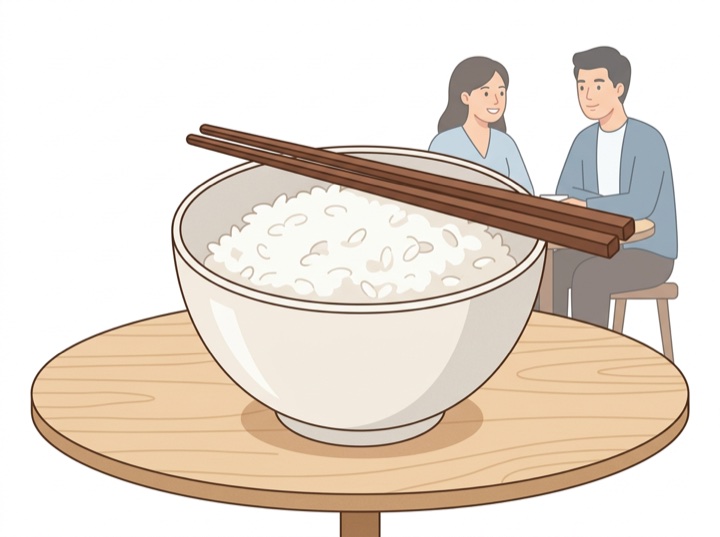
我昨天吃____两碗米饭。
Wǒ zuótiān chī ____ liǎng wǎn mǐfàn.
I ate two bowls of rice yesterday.

我们周末去看电影____。
Wǒmen zhōumò qù kàn diànyǐng ____.
We went to see a movie at the weekend.
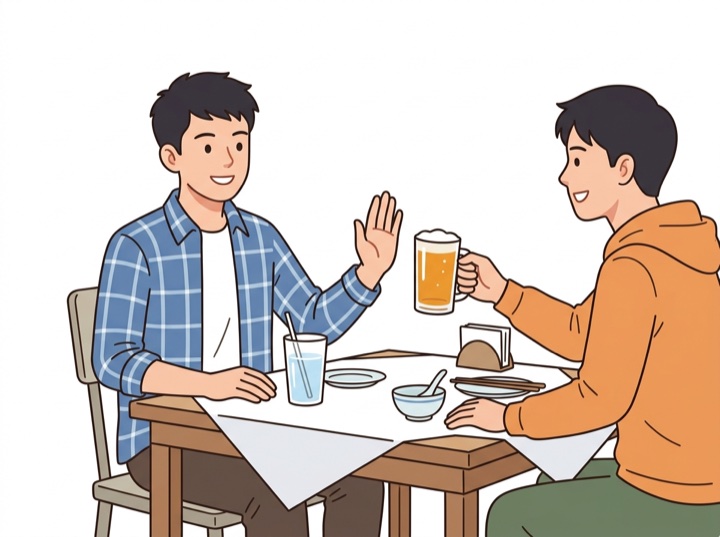
我昨天____喝啤酒。
Wǒ zuótiān ____ hē píjiǔ.
I didn't drink beer yesterday.
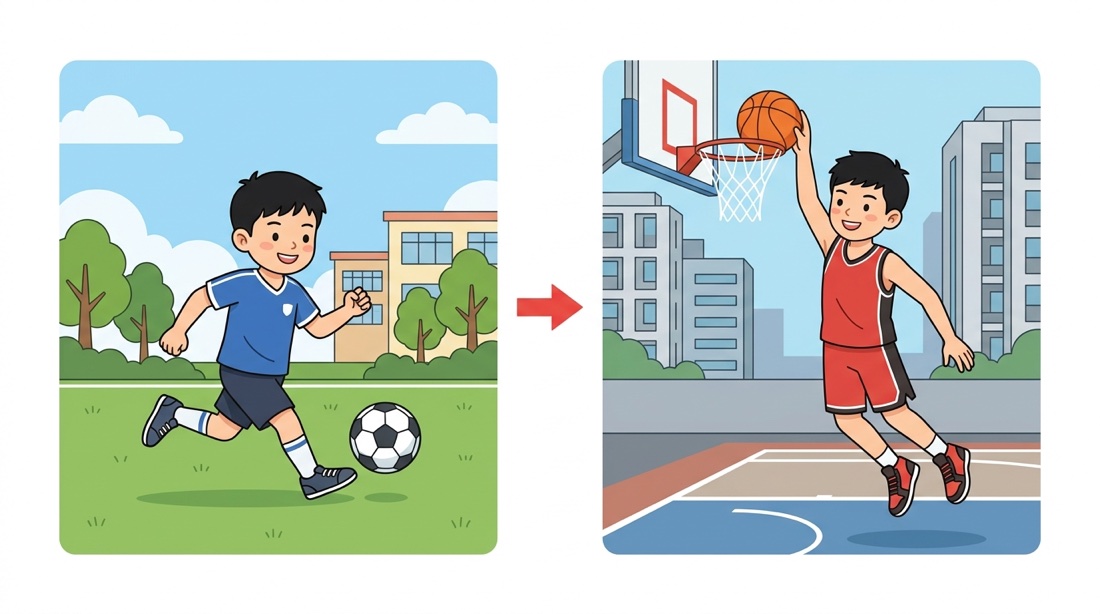
他以前喜欢足球,现在喜欢篮球____。
Tā yǐqián xǐhuan zúqiú, xiànzài xǐhuan lánqiú ____.
He used to like football; now he likes basketball.
Which reply fits?
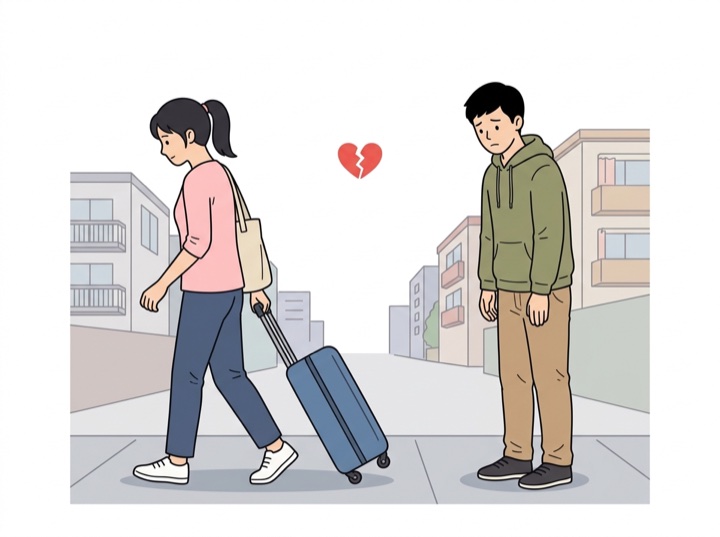
Ouch. What was true before?
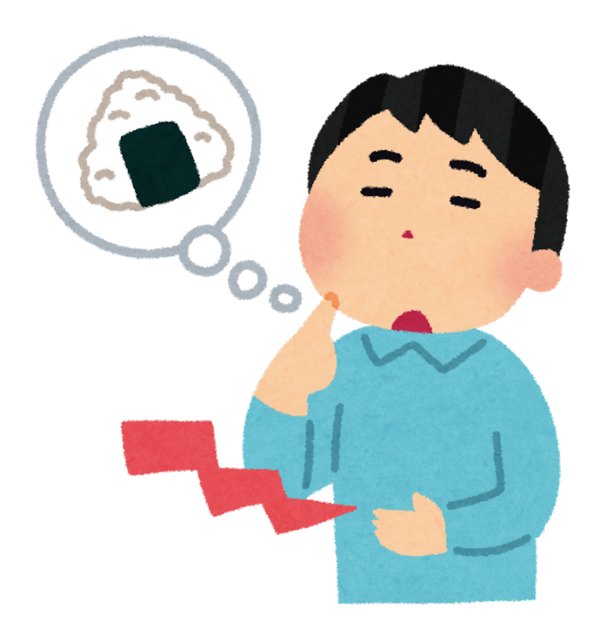
Your turn — say it
我饿了。
I'm hungry (now).

Your turn — say it
这个太贵了!
This is way too expensive!
This lesson's characters
了 itself, and two places it loves to land: 太累了, 下雨了.
done; changed
象drawn from life
Small but busy: at the end it says something happened or changed.
tired
形meaning + sound
田 field above, 糸 thread below — working all day makes you tired.
rain
象drawn from life
Rain drops falling from the sky.
Take these with you
Everything worth taking away. Tap any line to hear it.
Words 生词
Characters 汉字
Before you go课后回顾
- Tonight, report one thing that actually happened: general at the end (我去爬山了) or counted after the verb (我喝了两杯咖啡). Decide the position before you speak.
- Catch one change today and announce it: 下雨了。我饿了。啤酒涨价了。The world moves; 了 files the report.
- 了 is not the English past tense. 我以前经常去这家饭店吃饭 — years of past, and not a 了 in sight.
- One for next lesson: 你怎么了? — what's up with you? The 了 is the change; the 怎么 arrives next class.