
《基本语法》87 课,全部免费练
不用注册就能做,但不保存进度。免费注册后,进度和错题本都会保存,换手机、换电脑都能接着做。
这些练习配合上课效果最好:想把这个语法讲透,约一节课,老师带你讲、带你练。
了 — Where It Sits Is What It Means
了 — 放在哪儿,意思就在哪儿
One little 了, three jobs: something happened, something changed, or 太……了 too much. Where it sits in the sentence is what it means.
免费注册,只要一个邮箱:做错的题会进你的错题本,做到一半换个设备也能接着做。
注册 / 登录克隆声:用真人老师的音色合成,不是本人的录音。
语法点
「了」looks easy — it isn't
这个「了」字虽然看着简单,但是实际上很多人弄错,甚至很多高级的学生都会用错。为了从一开始就打好基础,建议你找专业老师好好上一节课,学学这个「了」的基本用法。
了 looks simple, but many learners get it wrong — even advanced students. To build a solid base from the start, take a proper lesson with a professional teacher on the basic uses of 了.
记忆锦囊
General? Sentence-end. Specific? Right after the verb.
六个句子,四份工
Tap any line — and check where 了 sits before you check what the sentence means.
点任意一行听发音
记忆锦囊
没 deletes 了 — unless 了 means change
Where does 了 sit?「了」坐哪儿?
别紧张——只是帮你记牢。
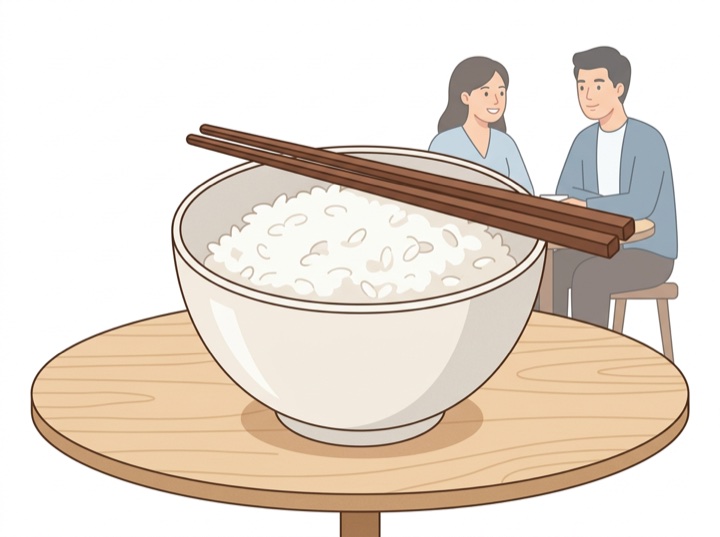
我昨天吃____两碗米饭。
Wǒ zuótiān chī ____ liǎng wǎn mǐfàn.
I ate two bowls of rice yesterday.

我们周末去看电影____。
Wǒmen zhōumò qù kàn diànyǐng ____.
We went to see a movie at the weekend.

我昨天____喝啤酒。
Wǒ zuótiān ____ hē píjiǔ.
I didn't drink beer yesterday.
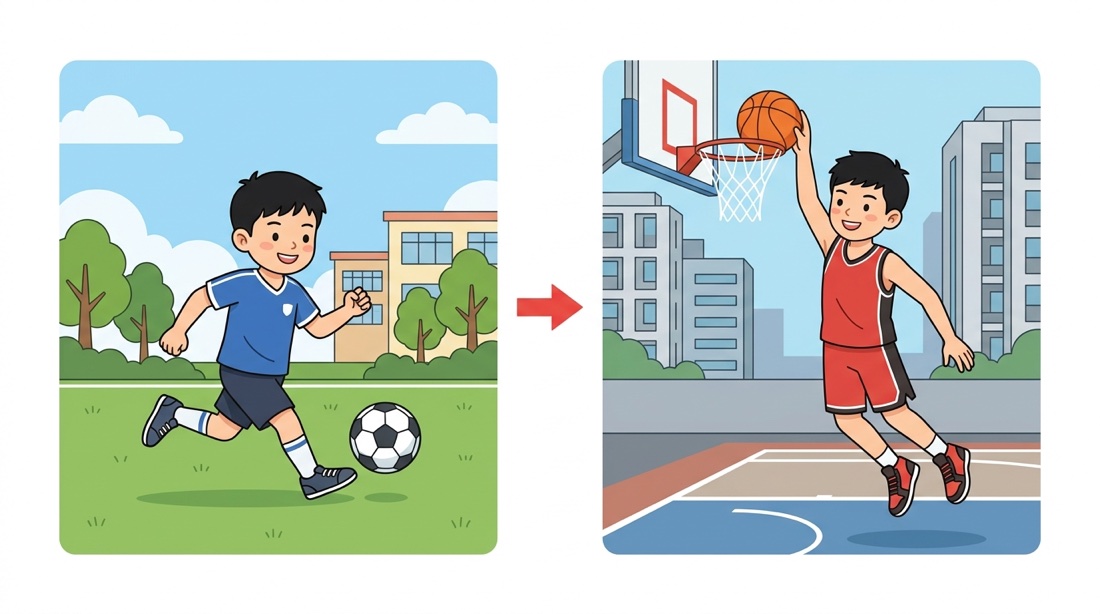
他以前喜欢足球,现在喜欢篮球____。
Tā yǐqián xǐhuan zúqiú, xiànzài xǐhuan lánqiú ____.
He used to like football; now he likes basketball.

Which reply fits?
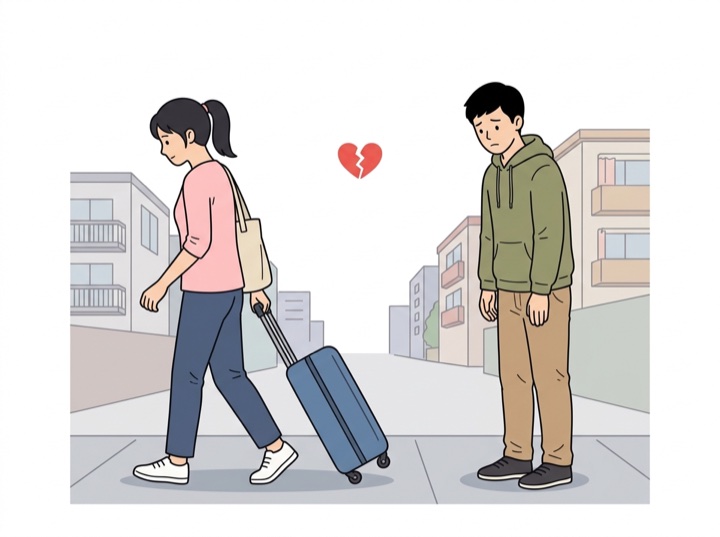
Ouch. What was true before?
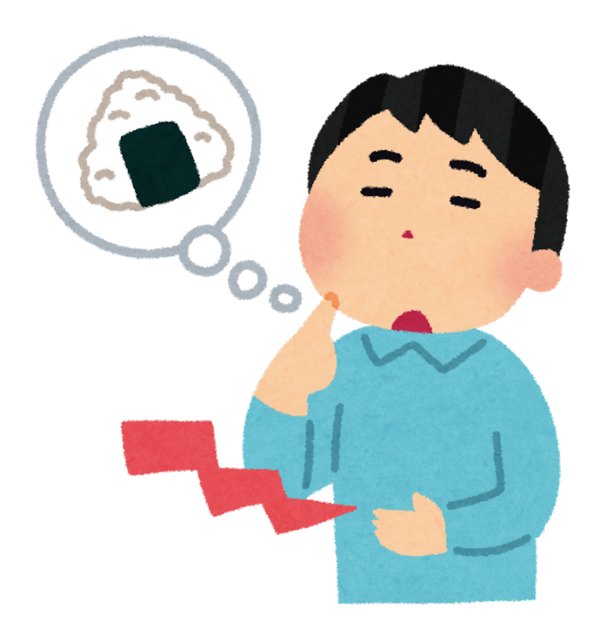
轮到你说
我饿了。
I'm hungry (now).

轮到你说
这个太贵了!
This is way too expensive!
这一课的字
了 itself, and two places it loves to land: 太累了, 下雨了.
done; changed
象象形 · 照着画
Small but busy: at the end it says something happened or changed.
tired
形形声 · 一半意思一半读音
田 field above, 糸 thread below — working all day makes you tired.
rain
象象形 · 照着画
Rain drops falling from the sky.
带走这些
这个练习值得带走的全部。点任何一行都能听。
生词
汉字
课后回顾Before you go
- 今晚汇报一件真实发生的事:泛泛的放句末(我去爬山了),数过的贴动词(我喝了两杯咖啡)。开口之前,先定位置。
- 今天抓住一个变化,宣布出来:下雨了。我饿了。啤酒涨价了。世界一动,「了」就记上一笔。
- 「了」不是英语的过去时。「我以前经常去这家饭店吃饭」——好几年的过去,一个「了」都看不见。
- 留给下一课的一句:你怎么了?——「了」是变化,「怎么」下节课到。