“The Sound System” has 10 exercises — the first 3 are free
Guest mode saves nothing. Two ways to open the rest: subscribe, or book a lesson — Jane's students get every exercise in the course (practise 点火锅, book a class, and all of Beginner Speaking 1 opens; whether you take more classes is up to you). Anything unclear, ask her in class. Teachers who buy the courseware open it for a whole class with a class code.
How Chinese Works: Taking 你好 Apart
中文是怎么回事:把“你好”拆开看看
One word you already know, three small parts — and suddenly all of Chinese has a shape.
Every syllable is three small parts
Every Chinese syllable is three small parts working together.
Initial + final + tone. That is the whole machine — though a few syllables travel light: 爱 ài has no initial, and the 么 in 什么 shénme carries no tone at all.
Memory hook
Pinyin is the map, hanzi is the land
The initials — all of them
Play Teacher Jane's recording
Watch the tiles — each one lights up as Teacher Jane says it.
Play Teacher Jane's recording and follow along row by row. The red tiles — z c s and zh ch sh r — are the ones almost every student wrestles with. That's normal; they get their own clinic in lesson 2.
Pronunciation clinic
The zh ch sh r trick
Curl the tip of your tongue up and back — past the bumpy ridge behind your top teeth, onto the smooth hard palate just beyond it — and keep it loose so the air flows over it. Don't force it: it should feel lazy, not tense. This is the exact move that separates zh ch sh r from z c s.
把舌尖翘起来往后——越过上门牙后面那道牙龈脊,靠近再往后一点的硬腭——保持放松,让气流从舌尖上方通过。不要用力:要松,不要紧。zh ch sh r 和 z c s 的区别就在这一下。
The finals — all of them
Play Teacher Jane's recording
Watch the tiles — each one lights up as Teacher Jane says it.
6 simple finals
13 compound finals
16 nasal finals
Play Teacher Jane's recording and follow the glow — all thirty-five finals, in the exact order from your class slide. (One more, er, lives outside the table — you'll meet it as 二 èr, number two.)
The four tones, written on a
Play Teacher Jane's recording
Watch the tiles — each one lights up as Teacher Jane says it.
Teacher Jane demonstrates the four tones twice — watch each tile light up as she says it. Bare a is the light neutral tone.
Can you hear the difference?
Same sounds, different melody — and suddenly it's a completely different word. This is exactly why we take tones seriously from day one.
🔊 Tap any line to hear it
Pronunciation clinic
Be patient with pinyin
Pinyin is not homework you clear before the “real Chinese” starts — it IS real Chinese. Give these sounds two focused weeks and every word you learn for the rest of your life arrives pre-pronounced.
拼音不是“正式中文”开始前要清掉的作业——它就是真正的中文。认真给这些声音两个星期,以后你学的每一个词都自带正确发音。
A first taste of the four tones
Just a taste today — lesson three is a whole session of tone training, with Teacher Jane's recordings.
Your first words, in Teacher Jane's voice
The word list from your first class, read slowly. Play it once through, then tap the picture cards below one by one.
First words with pictures
All sixteen words from your first class, in the order Teacher Jane reads them — each with its picture, characters, pinyin and meaning.
🔊 Tap any line to hear it
Quick check随堂小练
No pressure — just making it stick.
You'll hear China's favourite greeting. What does it mean?
妈
mom — pick the FIRST tone: high and flat, like singing “5 (so)”
Listen carefully — which word did you hear?
Class task: mark the tones随堂小练
No pressure — just making it stick.
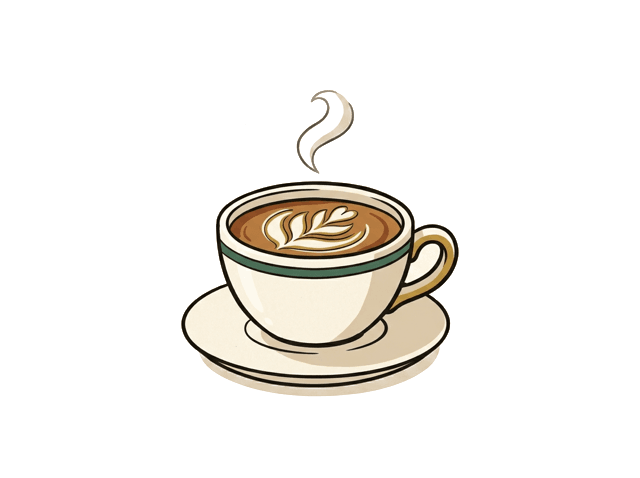
咖啡
coffee — mark both tones
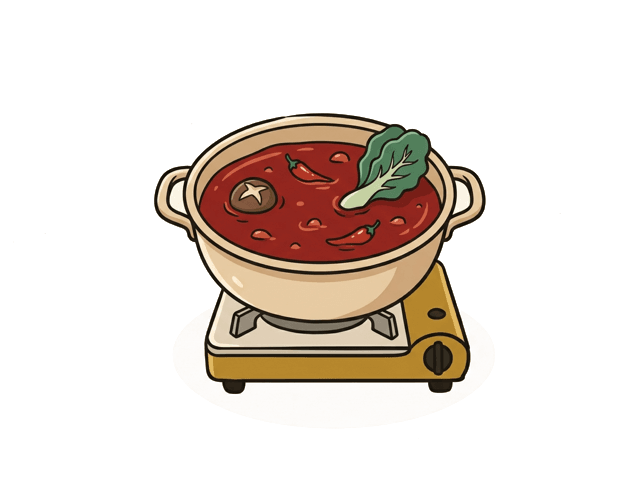
火锅
hotpot — mark both tones
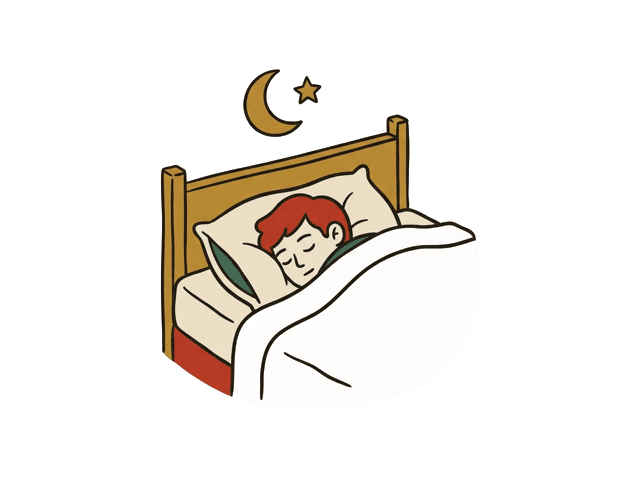
睡觉
to sleep — mark both tones
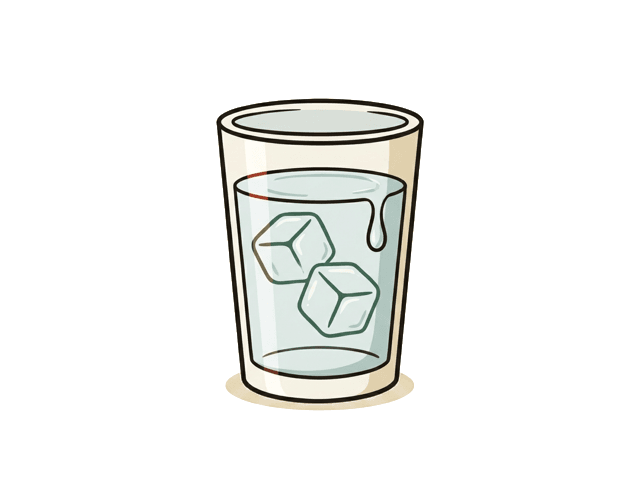
水
water — mark the tone
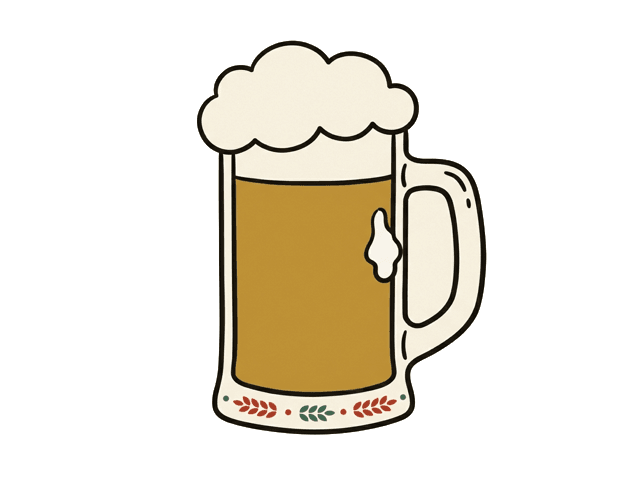
啤酒
beer — mark both tones
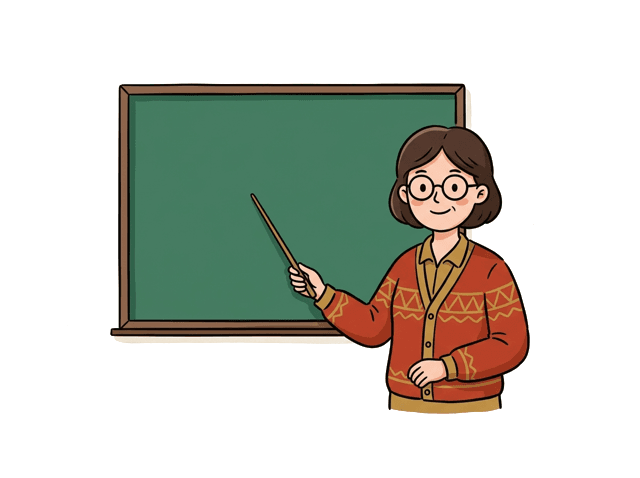
老师
teacher — mark both tones
Hear where you're going
Teacher Jane reading the sentences from your very first class. Read along below — by the end of this unit, every one of them will be yours.
Say it out loud — the microphone is listening随堂小练
No pressure — just making it stick.
Your turn — say it
你好
hello
Your turn — say it
咖啡
coffee
Before you go课后回顾
- Which of the three parts — initial, final, tone — feels clearest to you right now?
- Say 你好 out loud three times, a little slower each time. Let the first syllable RISE (ní hǎo) — smoother than two dips, isn't it?
- Play 妈 — 马 — 骂 once more with your eyes closed. Can you catch the falling one?