
The Sound System: all 10 lessons free
No sign-up needed, but nothing is saved. Sign up free and your progress and mistake book are kept — carry on from any phone or computer.
This practice works best alongside a lesson: to get your sounds right, book one and your teacher listens and corrects you one-on-one.
The Last Two Rules
最后两条规则
Why 鱼 is written yú, and why a third tone almost never finishes. Both are short — you will probably get them on the first read.
Sign up free — just an email. Your wrong answers go into your mistake book, and you can carry on on another device.
Sign up / sign inMemory hook
Rule one: a syllable can't start with i, u or ü on paper
Same sound, different spelling
Every one of these is a word you already know. Listen for the fact that nothing changed.
Tap any line to hear it
Memory hook
And the little apostrophe
Pronunciation clinic
Rule two: a third tone almost never finishes
You have been taught the third tone as a dip that comes back up. That full shape happens in only two places: when the word stands alone, and at the end of a phrase. Everywhere else — before a first, second or fourth tone, or before a light syllable — it only does the first half. It sinks low and stays there. It never rises. 老师 lǎoshī, 美国 Měiguó, 可乐 kělè: every one of those third tones is a low sink, not a dip-and-rise. Performing the full shape every time is the single loudest thing that makes a learner sound like a textbook rather than a person.
你学到的三声是「先降后升」。那个完整的形状只在两个地方出现:这个字单独念的时候,和它在句尾的时候。其它所有位置——后面跟着一声、二声、四声,或者跟着一个轻声——它只做前半段:沉下去,停在低处,不升上来。老师 lǎoshī、美国 Měiguó、可乐 kělè,这里面每一个三声都只是低低地沉住,不是降升。每次都把完整形状演一遍,是让一个学习者听起来像课本而不像真人的最大原因。
Low and staying there — listen for what does NOT happen
Four words you know. In each one the third tone sinks and stops. Nothing rises.
Tap any line to hear it
Rule one — where did the y and the w come from?随堂小练
No pressure — just making it stick.
鱼
fish
五
five
一
one
我
I, me
有
to have
月
moon, month
Rule two — which third tone actually finishes?随堂小练
No pressure — just making it stick.
In 老师, does 老 rise back up at the end?
In 你好, what happens to 你?
In 很好, which syllable gets the FULL dip-and-rise?
美国
the USA
And everything else you have met随堂小练
No pressure — just making it stick.

这是____。
Zhè shì ____.
This is ____.
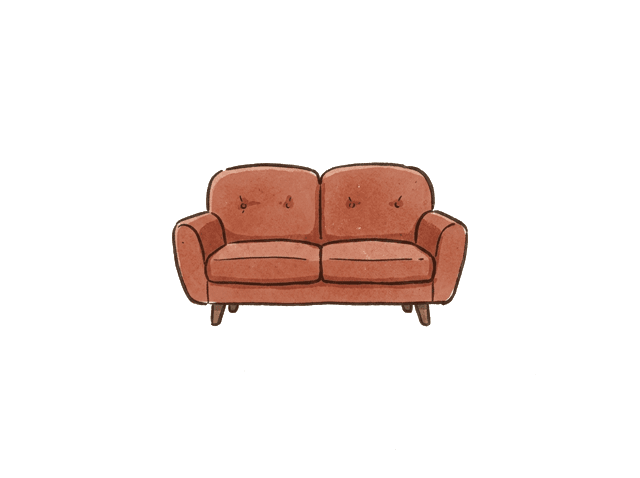
这是____。
Zhè shì ____.
This is ____.
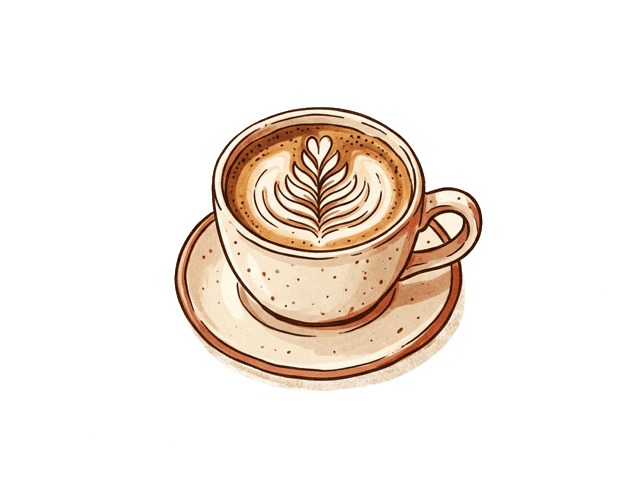
这是____。
Zhè shì ____.
This is ____.
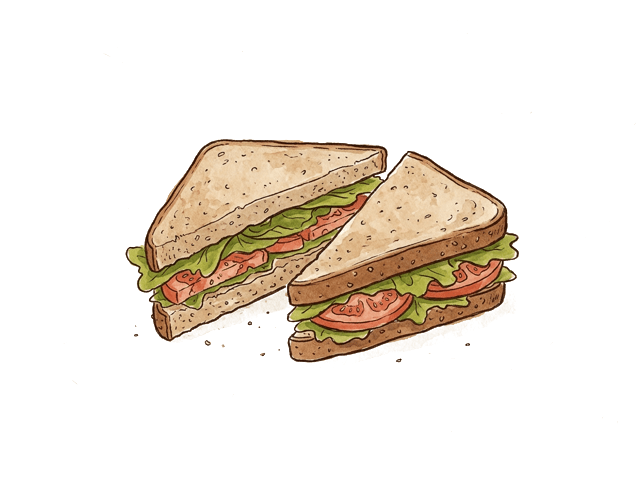
这是____。
Zhè shì ____.
This is ____.
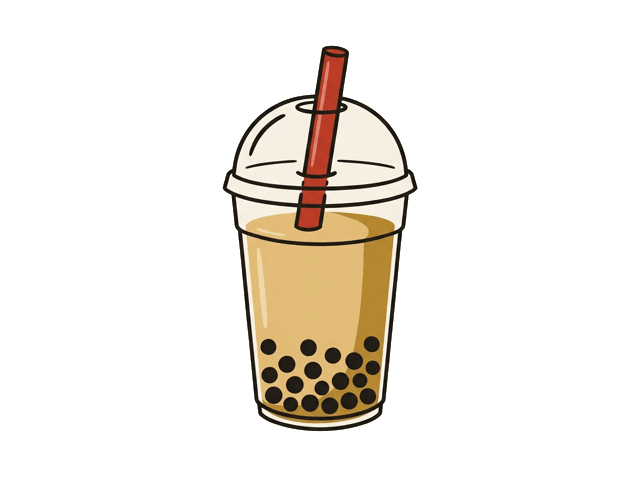
这是____。
Zhè shì ____.
This is ____.
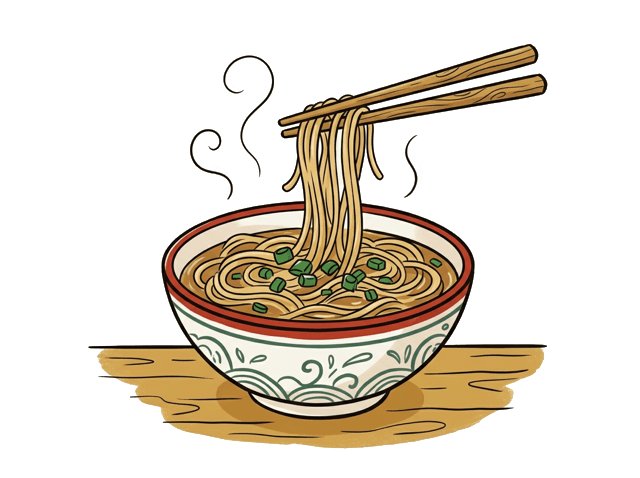
这是____。
Zhè shì ____.
This is ____.
Say the two rules out loud随堂小练
No pressure — just making it stick.
Your turn — say it
五
five
Your turn — say it
老师
teacher
Your turn — say it
你好
hello
Before you go课后回顾
- Write out the pinyin for 一, 五, 鱼, 我, 有, 月 from memory. If a y or a w is missing, that is the rule you just learned.
- Say 老师 and 好 back to back. The first 老 sinks and stops; the lone 好 dips and rises. Feel the difference — that is the whole of rule two.
- Anything from the last nine lessons still shaky? Say so before the test — that is what the test is for, not to catch you out.